
Jean Paul versus Yamaha for a first band instrument
What the price gap between the two brands actually buys on each of the four main band instruments.
Top pick: Yamaha YTR-2330 Student Bb Trumpet
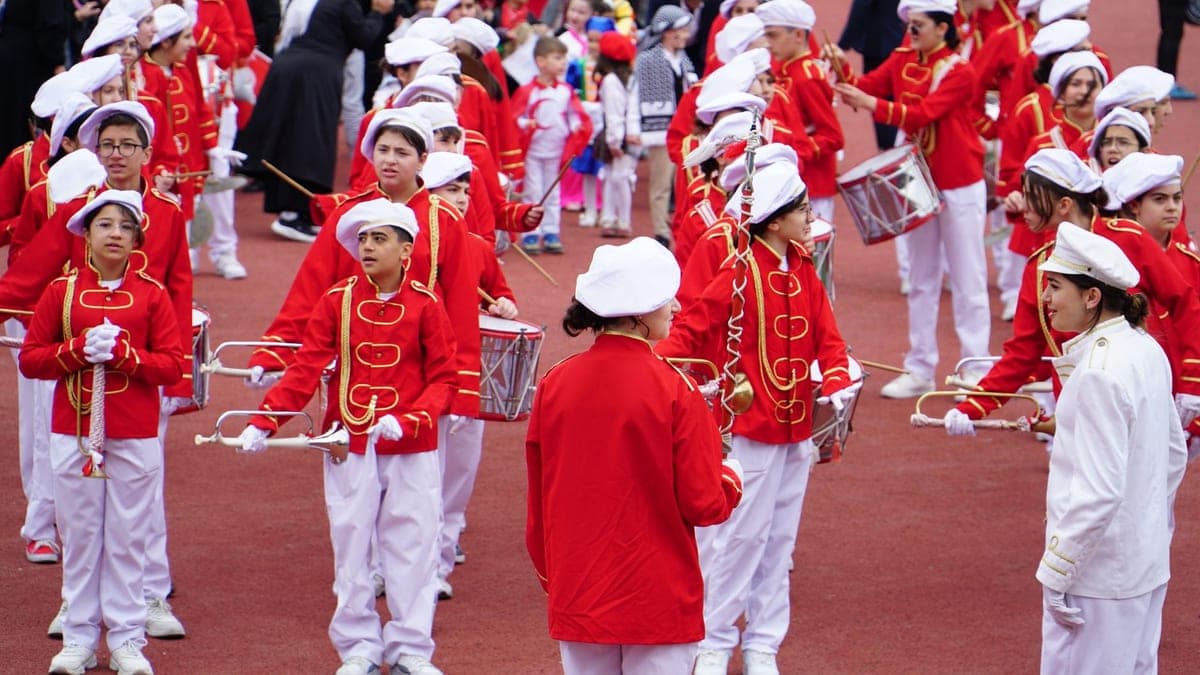
Everything here assumes a school program, a director with opinions, and a method book the whole class is working from. That context changes the right answer.
Band instruments are the only category on this site where the buyer’s decision is genuinely constrained by an institution, and that is a good thing. A band director has heard several hundred beginners, knows which instruments their repair technician will service, and knows which method book the class opens on the first Tuesday of the year. Nothing on this site outranks that.
So the first page in this section is not a product roundup. It is how to ask the band director the four questions that make everything else straightforward: which instruments the program offers, whether there is a required brand list, which method book the class uses, and whether the school runs a rental partnership.
A band instrument is not a single purchase. It is an instrument, a set of consumables that need replacing on a schedule, and a maintenance routine that determines whether the instrument survives the year.
| Instrument | Consumables | Care essentials | Also needed |
|---|---|---|---|
| Trumpet | Valve oil, slide grease | Mouthpiece brush, cleaning snake | A 7C mouthpiece if the bundled one is unmarked |
| Flute | None ongoing | Cleaning rod and gauze, pad-drying paper | Nothing else in year one |
| Clarinet | Reeds, cork grease | Silk swab, reed guard | A proper mouthpiece — the bundled one is the weak point |
| Alto saxophone | Reeds, cork grease | Body swab, neck brush | A 4C mouthpiece and a decent neck strap |
| Percussion | Sticks (they break) | None to speak of | A practice pad, which matters more than the kit |
Reeds are the cost that surprises clarinet and saxophone families. A beginner works through them steadily, and a box lasts roughly a term.
On the reed instruments, the mouthpiece supplied with a budget instrument is almost always the weakest part of it, and replacing it costs a small fraction of the instrument while producing a disproportionate improvement. This is the most reliable cheap upgrade in school music, and it is the one most often skipped because a mouthpiece does not look like an upgrade.
On trumpet, the equivalent lever is valve oil and the discipline of using it. Sticky valves make a beginner sound clumsy in a way that has nothing to do with their playing, and a bottle of oil costs almost nothing.
On percussion, the lever is the practice pad. A student with a pad and a method book makes real progress without ever touching a kit, and a student with a kit and no pad mostly makes noise. The pad is the instrument for the first year. The other line on the percussion supply list is the one nobody can decode: which bell kit to buy explains what a director means by that and why 32 bars is the number that matters.
The rent-or-buy question comes before the which-model question
For a first-year band student, renting frequently wins on total cost, because the agreement covers the repairs a beginner instrument reliably needs. Each instrument has its own arithmetic and its own break-even month, and we published the tables rather than the conclusion. We earn nothing when you rent, and the tables still say rent more often than they say buy.
Brass and percussion are loud in a way that families genuinely underestimate. A practice mute for trumpet and a mesh-head electronic kit for drums both solve this properly, and both are covered here: practice mutes and electronic drums for apartments. Flute, clarinet and saxophone are quieter but not quiet, and the honest solution there is scheduling rather than equipment.
Two pairs account for most of the indecision in a band room. Flute versus clarinet is a choice between a hard first fortnight and a permanent reed bill, and trumpet versus trombone turns on an arm-length check almost nobody makes before the form goes back — and if that check comes back yes, the beginner trombone picks cover which horn to buy, which bore size a student actually wants, and when renting still wins. Where a program has no required brand list, Jean Paul versus Yamaha sets out what the price difference buys on each of the four main instruments.
Two more decisions sit just outside the instrument itself. Recorder versus flute matters for a student arriving from general music, and acoustic versus electronic drums is the percussion version of the noise conversation above.
The care and consumable pages are short, and worth reading in the first month rather than at the first repair bill: cleaning a trumpet, valve oil and slide grease and the clarinet care kit. The method books a program is most likely to assign are listed per instrument — trumpet, clarinet and saxophone — and the flute step-up guide covers what actually changes when a student outgrows their first instrument.
What the price gap between the two brands actually buys on each of the four main band instruments.
Top pick: Yamaha YTR-2330 Student Bb Trumpet
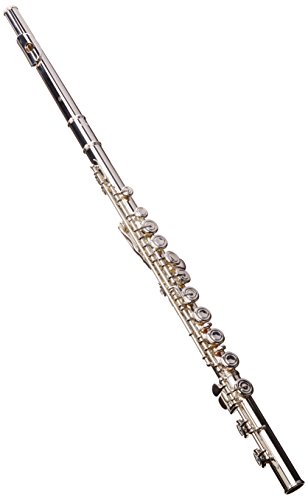
Which one sounds sooner, which costs less over three years, and which suits a smaller player.
Top pick: Yamaha YFL-222 Student Flute
#ad · price as of October 27, 2026 · how this is funded
The arm-length check, the clef difference, and which brass section a director actually needs filled.
Top pick: Yamaha YTR-2330 Student Bb Trumpet

Best beginner trombone
What slide action and bore size really decide, which student horns publish their specs, and when renting wins.
Top pick: Yamaha YSL-354C Student Trombone
#ad · price as of October 27, 2026 · how this is funded

Best trombone slide lubricant
Hand slide against tuning slide, which lubricant each takes, and how to apply it without making it worse.
Top pick: Libretto Trombone Slide Cream, 2-Pack, 1 oz Each
#ad · price as of October 27, 2026 · how this is funded

Which reed instrument to start on, why directors say clarinet first, and when starting on saxophone is the right call anyway.
Top pick: Yamaha YCL-255 Student Clarinet
Best beginner trumpet
Why valve material decides everything, which brands directors accept, and the kit we would skip.
Top pick: Yamaha YTR-2330 Student Bb Trumpet

Trumpet mouthpieces
What the numbers mean, why 7C is standard, and when a change is justified.
Top pick: Bach 7C Trumpet Mouthpiece
#ad · price as of October 27, 2026 · how this is funded

Trumpet care
The full bath method step by step, plus what to do when you have no cleaning kit.
Top pick: Al Cass Fast Valve, Slide & Key Oil, 2 oz (2-pack)
#ad · price as of October 27, 2026 · how this is funded
Best valve oil
Light versus heavy oil, how often, and the application method that actually coats the piston.
Top pick: Al Cass Fast Valve, Slide & Key Oil, 2 oz (2-pack)
#ad · price as of October 27, 2026 · how this is funded

Best practice mute
How mutes change back pressure and intonation, and which suits an apartment versus a house.
Top pick: Denis Wick 5526 Trumpet Practice Mute
#ad · price as of October 27, 2026 · how this is funded

Trumpet method books
The band standard, the private-lesson standard, and when a student needs both.
Top pick: Essential Elements for Band Book 1 - Bb Trumpet
#ad · price as of October 27, 2026 · how this is funded
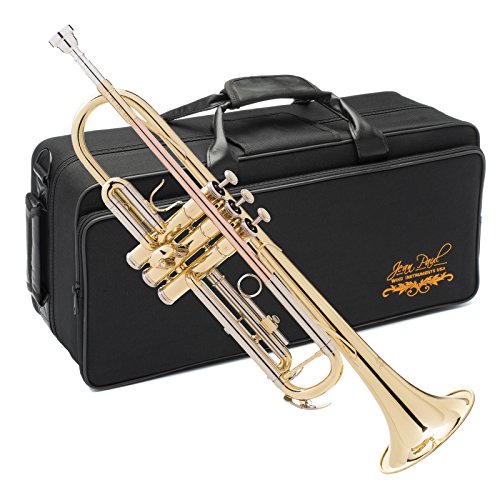
Step-up trumpet
The signals that a student trumpet is the limit, what an intermediate horn changes, and the cheap upgrades first.
Top pick: Jean Paul TR-430 Intermediate Bb Trumpet
#ad · price as of October 27, 2026 · how this is funded
Best beginner flute
What closed-hole and offset G mean, why pads decide everything, and which brands programs accept.
Top pick: Yamaha YFL-222 Student Flute
#ad · price as of October 27, 2026 · how this is funded

Flute care
The thirty-second routine that keeps pads alive, and the storage mistake that kills them.
Top pick: Yamaha Flute Maintenance Kit
#ad · price as of October 27, 2026 · how this is funded
Step-up flute
What a step-up flute actually changes, which features matter first, and when to wait.
Top pick: Yamaha YFL-222 Student Flute
#ad · price as of October 27, 2026 · how this is funded

Flute method books
The band standard, the lesson counterpart, and the tone work no band book covers.
Top pick: Essential Elements for Band Book 1 - Flute
Recorder vs flute
What transfers, what does not, and why the embouchure gap is the whole story.
Top pick: Yamaha YFL-222 Student Flute
#ad · price as of October 27, 2026 · how this is funded
What open-hole keys change, why beginners start closed hole, and what key plugs are for.
Top pick: Yamaha YFL-222 Student Flute
#ad · price as of October 27, 2026 · how this is funded
Best student flute brand
Which flute makers band programs accept, which have parts and repair behind them, and what each brand premium actually buys.
Top pick: Yamaha YFL-222 Student Flute
#ad · price as of October 27, 2026 · how this is funded
Best beginner clarinet
Why resin beats wood for a beginner, which brands programs accept, and the mouthpiece problem.
Top pick: Yamaha YCL-255 Student Clarinet

Clarinet reeds
Strength chart, why brand numbers do not compare, and the rotation habit that doubles reed life.
Top pick: Rico Organic Bb Clarinet Reeds 2.0
#ad · price as of October 27, 2026 · how this is funded
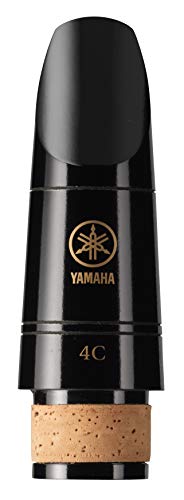
Clarinet mouthpieces
Why bundled mouthpieces hold students back, what facing and tip opening mean, and what to buy.
Top pick: Yamaha 4C Clarinet Mouthpiece
#ad · price as of October 27, 2026 · how this is funded
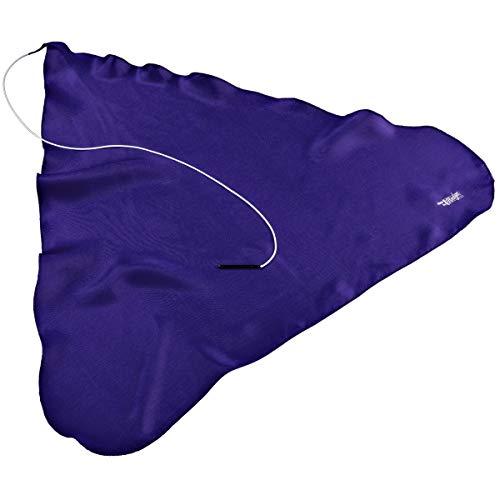
Clarinet care
The two-minute routine, how to swab without jamming, and using cork grease correctly.
Top pick: Hodge Silk Clarinet Swab
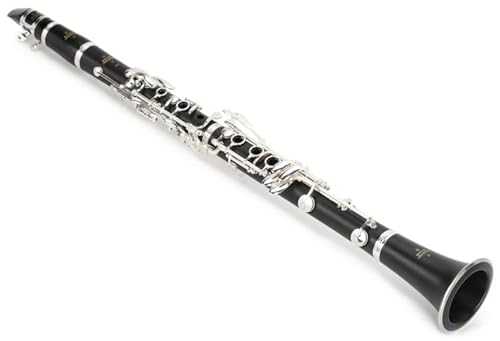
Step-up clarinet
What wood changes, the break-in period it needs, and the cheaper upgrades to try first.
Top pick: Buffet Crampon E11 Intermediate Bb Clarinet
#ad · price as of October 27, 2026 · how this is funded

Clarinet method books
The band standard, the lesson counterpart, and the break-crossing problem every clarinettist hits.
Top pick: Essential Elements for Band Book 1 - Bb Clarinet
Best student clarinet brand
Which clarinet makers band programs accept, which hold their adjustment through a school year, and when wood is worth it.
Top pick: Yamaha YCL-255 Student Clarinet

Best beginner saxophone
Why alto is the beginner size, which brands programs accept, and what the horn needs on day one.
Top pick: Yamaha YAS-26 Alto Saxophone
#ad · price as of October 27, 2026 · how this is funded

Saxophone reeds
Strength by stage, filed versus unfiled cuts, and the rotation habit that halves the cost.
Top pick: Rico Organic Alto Sax Reeds 2.5
#ad · price as of October 27, 2026 · how this is funded

Saxophone mouthpieces
Why the bundled mouthpiece holds a horn back, what tip opening means, and when jazz pieces make sense.
Top pick: Yamaha 4C Alto Sax Mouthpiece
#ad · price as of October 27, 2026 · how this is funded
Alto vs tenor
Size, key, sound and repertoire compared, and why the switch later is straightforward.
Top pick: Yamaha YAS-26 Alto Saxophone
#ad · price as of October 27, 2026 · how this is funded

Saxophone method books
The band standard, the lesson counterpart, and when jazz material actually helps.
Top pick: Essential Elements for Band Book 1 - Eb Alto Sax
#ad · price as of October 27, 2026 · how this is funded

Best saxophone neck strap
Junior against regular strap length, nylon against neoprene, and which strap to buy for a school sax player.
Top pick: Pro Tec A311P 20" Junior Padded Saxophone Neck Strap
#ad · price as of October 27, 2026 · how this is funded
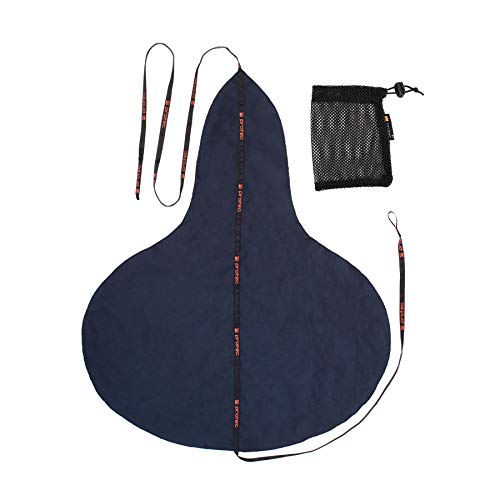
Saxophone care kit
The two-minute routine after every session, what belongs in the kit, and the two habits that prevent a repad bill.
Top pick: Protec 3-in-1 Body, Neck and Mouthpiece Microfiber Swab for Alto Sax (A127)
#ad · price as of October 27, 2026 · how this is funded
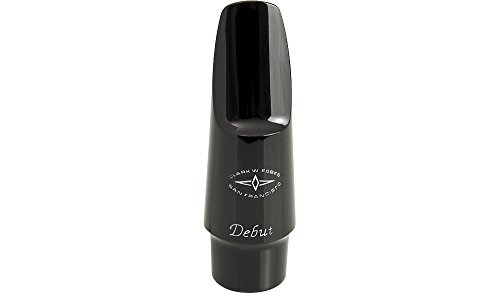
Step-up saxophone
Why the mouthpiece is the first saxophone upgrade, what an intermediate horn changes, and when to wait.
Top pick: Clark W Fobes Debut Alto Sax Mouthpiece
#ad · price as of October 27, 2026 · how this is funded

Best beginner drum set
Complete kits versus shell packs, what to upgrade first, and how loud an acoustic kit really is.
Top pick: Pearl Roadshow 5-Piece Complete Kit
#ad · price as of October 27, 2026 · how this is funded
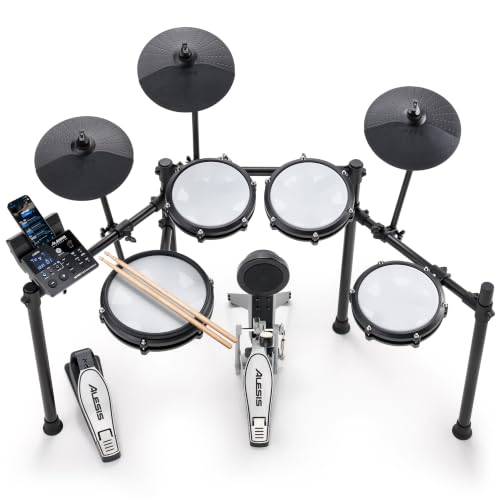
Best for apartments
Mesh versus rubber, the kick pedal problem, and what an electronic kit still cannot hide.
Top pick: Alesis Nitro Max Electronic Kit
#ad · price as of October 27, 2026 · how this is funded
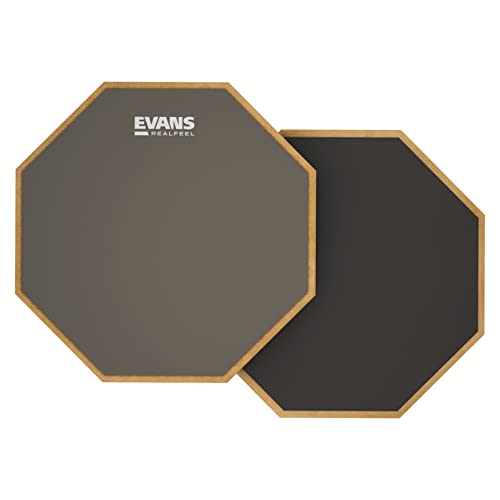
Best practice pad
Why the pad matters more than the kit in year one, and how to use one properly.
Top pick: Evans RealFeel 12-Inch Practice Pad
#ad · price as of October 27, 2026 · how this is funded
Acoustic vs electronic
Feel, noise, cost and what transfers — with a recommendation per household.
Top pick: Pearl Roadshow 5-Piece Complete Kit
#ad · price as of October 27, 2026 · how this is funded

Drum method books
Snare technique versus kit grooves, and the 1935 exercise book still in daily use.
Top pick: Alfred Drum Method Book 1
#ad · price as of October 27, 2026 · how this is funded

Best school bell kit
What a director means by bell kit, why 32 notes is the number, and which kits are worth buying at each budget.
Top pick: Ludwig M651R Educational Bell Kit
#ad · price as of October 27, 2026 · how this is funded

Best beginner drum sticks
What the 7A, 5A and 5B codes mean, which size a beginner should start on, and wood against nylon tips.
Top pick: Vic Firth American Classic 5A Drumsticks, 4-Pair Value Pack
#ad · price as of October 27, 2026 · how this is funded

Best drum throne
What a throne changes about technique, how to set the height, and four stools compared.
Top pick: GLEAM Drum Throne, Height Adjustable Thick Padded Drum Stool
#ad · price as of October 27, 2026 · how this is funded

Best beginner cymbal pack
Which cymbal to replace first, why matched packs beat single cymbals, and the brass sets worth a student's money.
Top pick: Meinl HCS141620+10 Cymbal Set Box Pack
#ad · price as of October 27, 2026 · how this is funded
Percussion has the lowest barrier to a first correct sound, and flute and clarinet have the highest, because both need an embouchure before any note appears. Trumpet sits in between. That said, the easiest instrument is the one the school program supports best, since a teacher in the room outweighs a gentler learning curve.
School rental partnerships are usually reasonable value and always convenient, because the instrument is the one the program supports and repairs are handled through the school. Compare the monthly rate against the break-even tables on our rent-vs-buy pages before committing to a long agreement.
A beginner playing several times a week typically works through a box over a term, rotating between several reeds rather than playing one until it dies. Rotating extends the life of every reed in the box, and it is the single habit that most reduces the reed budget.