Student clarinet brands compared
Clarinet is the instrument where band directors have the strongest brand opinions, and they have earned them. The brand decides whether the school repair tech will touch it, how long the key adjustment holds, and whether the instrument is worth anything in four years.
By Stephen V. · Writes Reed & Rosin · last verified
The short answer
Yamaha is the student clarinet brand American band programs expect, and the YCL-255 is the safe answer if the budget reaches it. Jean Paul is the value brand most directors will still accept, with a US warranty behind it. Buffet Crampon is the step-up once a player is committed. Avoid the no-name ebonite kits: many school repair techs will not service them.
Some links on this page earn us a commission at no extra cost to you. It does not change which instrument we recommend, and it does not change the order. We also earn nothing when the honest answer is “rent it” — and we still say so. Full disclosure.
Quick picks
| # | Product | Best for | Score | Price |
|---|---|---|---|---|
| 1 |  Yamaha YCL-255 Student Clarinet The default school clarinet. An ABS resin body ignores humidity and cracking entirely, and the key work holds adjustment through the abuse a middle-school case takes. | The clarinet school programs expect | 9.4/10 | |
| 2 | 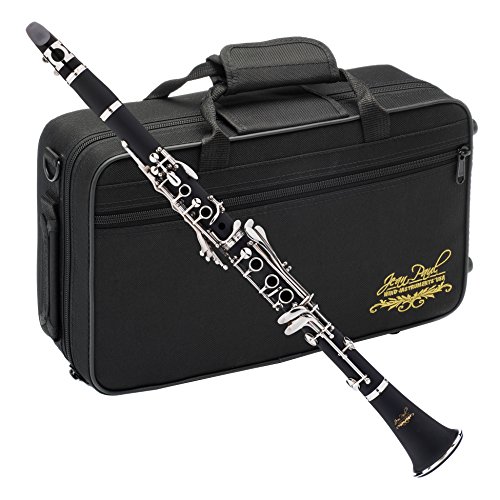 Jean Paul CL-300 Student Bb Clarinet The value clarinet that most band rooms will still accept: resin body, nickel keys, US warranty. Ask the director first, because clarinet is the instrument where brand policies are strictest. | Band-usable clarinet at a lower price | 8.7/10 | $279.99View on Amazon #ad · price as of October 11, 2026 · how this is funded |
| 3 | 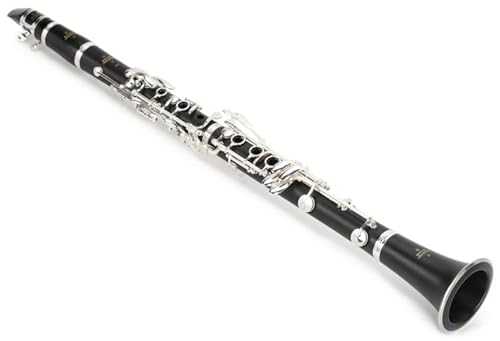 Buffet Crampon E11 Intermediate Bb Clarinet The standard step-up clarinet: a grenadilla wood body and silver-plated keys. Wood is what changes the tone, and it is also what introduces the cracking risk a resin clarinet does not have. | The step up from a resin student clarinet | 9.2/10 | $1,799.00View on Amazon #ad · price as of October 11, 2026 · how this is funded |
Scores are our own editorial fit rating from published specifications — the rubric is on our methodology page. They are not test results; we have not played these instruments.
Why band directors care about clarinet brands specifically
Ask a band director about trumpet brands and you will usually get a shrug and a budget figure. Ask about clarinets and you will get a list, and sometimes a list with exclusions on it. There is a mechanical reason for that. A clarinet has more moving parts in closer tolerance than a beginner brass instrument, it is sealed by pads that have to close completely, and it is held together by joints that need corks at the right compression. When any of that drifts, the instrument does not go slightly out of tune — notes simply stop sounding.
That turns the brand question into a repair question. A school tech who sees Yamahas every week has the pads, corks and springs in a drawer. For an unfamiliar brand, there may be no parts at all, and the instrument goes home in a bag with a note. Before you order anything, ask the director — our page on how to ask has the actual question to send.
The four brands, and what each one is
| Brand | Body | Keys | Where it sits |
|---|---|---|---|
| Yamaha (YCL-255) | ABS resin | Nickel-plated | The default school clarinet; best resale of any student model |
| Jean Paul (CL-300) | Resin | Nickel-plated | Value brand with a US warranty; usually accepted, ask first |
| Buffet Crampon (E11) | Grenadilla wood | Silver-plated | The step-up most high-school players move to |
| Mendini (MCT-E) | Ebonite | Kit hardware | Cheapest complete kit; many school techs will not service it |
Specifications transcribed from each product listing on 11 October 2026. The Yamaha bore figure its listing publishes is 14.95 mm cylindrical.
Yamaha: the brand the program assumes
The YCL-255 is the clarinet most American band rooms are built around. Its body is ABS resin, which matters more than it sounds like it should: resin ignores humidity completely, and a dry heated classroom in January is exactly where a wooden clarinet cracks. The key work also holds its adjustment through a school year of being carried in a backpack, which is the specification nobody publishes and everybody notices.
Two honest limits. Resin does not develop the warmth of a wooden body, so this is an instrument a committed player eventually moves off. And the supplied mouthpiece is the first thing worth replacing — a better mouthpiece on a student clarinet changes tone more than any other purchase at the price, which is the whole argument of our clarinet mouthpiece guide.
Jean Paul: the value brand most directors accept
Jean Paul USA occupies a specific and useful position: substantially cheaper than Yamaha, with a resin body that handles a school environment and a US-based warranty and service network behind it. That last part is what separates it from the generic brands. A warranty with a US address means parts exist.
The trade is that key adjustment drifts sooner than a Yamaha’s under the same use, so expect a tech visit a little earlier. Clarinet is also the instrument where program brand policies are strictest, so this is the brand to clear with the director before ordering rather than after. The two brands are compared across all four band instruments on our Yamaha versus Jean Paul page.
Buffet Crampon: what wood actually changes
The E11 is the standard step-up clarinet, and the change is the body material: grenadilla wood instead of resin, with silver-plated keys and better tone-hole undercutting. Wood is what produces the darker, rounder sound a resin body cannot, and it is also what introduces a risk a resin clarinet does not have — wood needs a break-in period and humidity control, or it can crack.
The timing question is the real one, and it is not about talent. A wooden clarinet is worth buying when the player has stopped needing to be reminded to practise and is handling the instrument carefully on their own. Our step-up clarinet guide sets out the signals in order.
Resale is part of the price
Roughly half of beginners stop, and that fact belongs in the arithmetic rather than in the sentimental category. A student clarinet from a brand a repair shop will service and a parent has heard of has a used market: the next family down the street can buy it, a dealer will take it in part-exchange, and a technician can certify it is playable. A clarinet from a brand with no parts channel has none of that, which is why its low purchase price is not the whole figure.
The practical effect is that the gap between a Yamaha and the cheapest kit is smaller than the stickers suggest, because one of them is partly recoverable and the other is not. That is also why, for a first-year student whose commitment is genuinely unknown, renting frequently beats both — a rental converts the question from “what will this be worth?” into a monthly figure with repairs included.
The brands we would not buy, and why
The cheapest complete clarinet kits sold — Mendini and the unbranded equivalents — include a case, mouthpiece, reeds and stand, and cost a fraction of a Yamaha. The problem is not that the ebonite body is bad. It is that key adjustment commonly needs work out of the box, many school repair techs will not service the brand, and there is effectively no resale value. A clarinet that needs a hundred-dollar regulation and cannot be sold afterwards is not cheap.
For a first-year band student, the honest alternative is usually renting. School rental programs at this level typically include repairs, and repairs are precisely what an off-brand clarinet needs. The break-even math, built on published rental rates, is on our clarinet rent-vs-buy page.
The picks, in full
Every card below is written from the published specification and the manufacturer’s own documentation. We have not played these instruments — see how we work for exactly what that means and what we do instead.
Our top pick · The clarinet school programs expect
Yamaha YCL-255 Student Clarinet
The default school clarinet. An ABS resin body ignores humidity and cracking entirely, and the key work holds adjustment through the abuse a middle-school case takes.
What works
- ABS resin body will not crack the way grenadilla wood does in a dry classroom
- Adjustment holds through a school year of handling
- Best resale value of any student clarinet
What to know
- Resin does not develop the warmth of a wooden body
- The supplied mouthpiece is the first thing worth upgrading
- Key
- Bb
- Body
- ABS resin
- Keys
- Nickel-plated
- Bore
- Cylindrical, 14.95 mm
Specs read from the manufacturer or retailer listing on 2026-09-07. Our fit score: 9.4/10.
Pick 2 · Band-usable clarinet at a lower price
Jean Paul CL-300 Student Bb Clarinet
The value clarinet that most band rooms will still accept: resin body, nickel keys, US warranty. Ask the director first, because clarinet is the instrument where brand policies are strictest.
What works
- US-based warranty and service network
- Resin body handles a school environment without cracking
- Substantially cheaper than the Yamaha
What to know
- Key adjustment drifts sooner than a Yamaha under the same use
- Supplied mouthpiece and reeds should be replaced immediately
- Key
- Bb
- Body
- Resin
- Keys
- Nickel-plated
#ad · price as of October 11, 2026 · how this is funded
Specs read from the manufacturer or retailer listing on 2026-09-07. Our fit score: 8.7/10.
Pick 3 · The step up from a resin student clarinet
Buffet Crampon E11 Intermediate Bb Clarinet
The standard step-up clarinet: a grenadilla wood body and silver-plated keys. Wood is what changes the tone, and it is also what introduces the cracking risk a resin clarinet does not have.
What works
- Grenadilla wood body gives the darker, rounder tone a resin body cannot
- Silver-plated keys and better undercutting than any student model
- The instrument most high-school players move to
What to know
- Wood requires a break-in period and careful humidity control or it can crack
- Several times the price of a resin student clarinet
- Key
- Bb
- Body
- Grenadilla wood
- Keys
- Silver-plated
#ad · price as of October 11, 2026 · how this is funded
Specs read from the manufacturer or retailer listing on 2026-09-07. Our fit score: 9.2/10.

We would skip this one
Mendini MCT-E Ebonite Bb Clarinet Kit
The cheapest complete clarinet kit sold. For a school band student, run the rent-vs-buy math first: rental at this level usually includes repairs, and repairs are what off-brand clarinets need.
What works
- Kit includes case, mouthpiece, reeds, stand and cleaning cloth
- Ebonite body rather than injection-molded plastic
What to know
- Key adjustment commonly needs work out of the box
- Many school repair techs will not service the brand
- Effectively no resale value
- Key
- Bb
- Body
- Ebonite
- Kit
- Case, mouthpiece, reeds, stand
#ad · price as of October 11, 2026 · how this is funded
Specs read from the manufacturer or retailer listing on 2026-09-07. Our fit score: 6.7/10.
Questions people actually ask
What is the best clarinet brand for a beginner?
Yamaha, because its YCL-255 is the student clarinet American band programs are built around: a resin body that will not crack in a dry classroom, key work that holds adjustment, and the best resale value of any student model.
Is Jean Paul a good clarinet brand?
Yes, with one condition. It is a resin-body student clarinet with a US warranty and service network, at meaningfully less than a Yamaha, and most directors accept it. Key adjustment drifts sooner, and clarinet is the instrument where program brand policies are strictest - ask the director before ordering.
Should a beginner buy a wooden clarinet?
No. Wood needs humidity control and a break-in period or it can crack, and a dry heated classroom is the worst place for it. Start on resin and move to a wooden instrument such as the Buffet E11 once the player is committed and careful.
Why do band directors reject some clarinet brands?
Because of parts and service, not snobbery. A clarinet is sealed by pads at close tolerance, and when it drifts out of adjustment notes stop sounding entirely. A tech who does not stock parts for the brand cannot fix it, so the instrument sits unplayable.
Sources
We have not played these instruments, so citation is our evidence. Everything above traces back to one of these, on the date shown.