Section
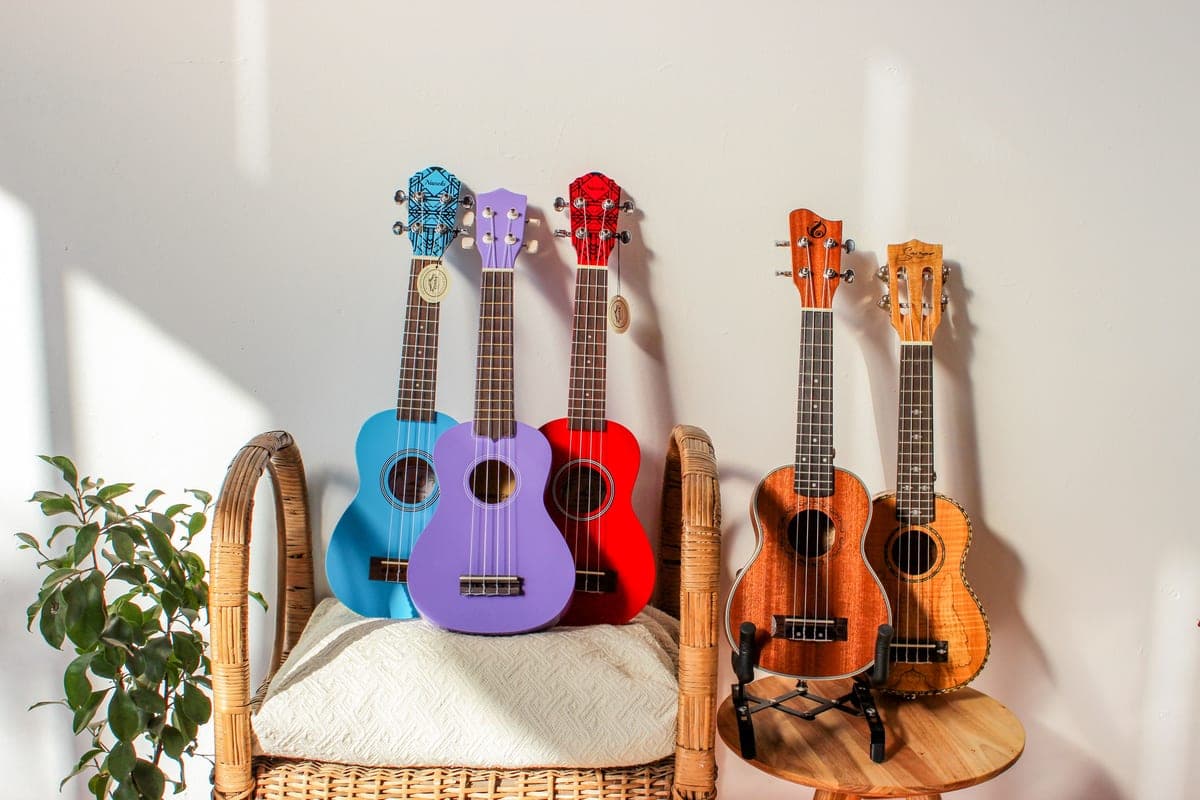
Ukulele for Beginners
The fastest instrument on this site to get a real song out of, and the one most often bought in the wrong size for the player's hands.
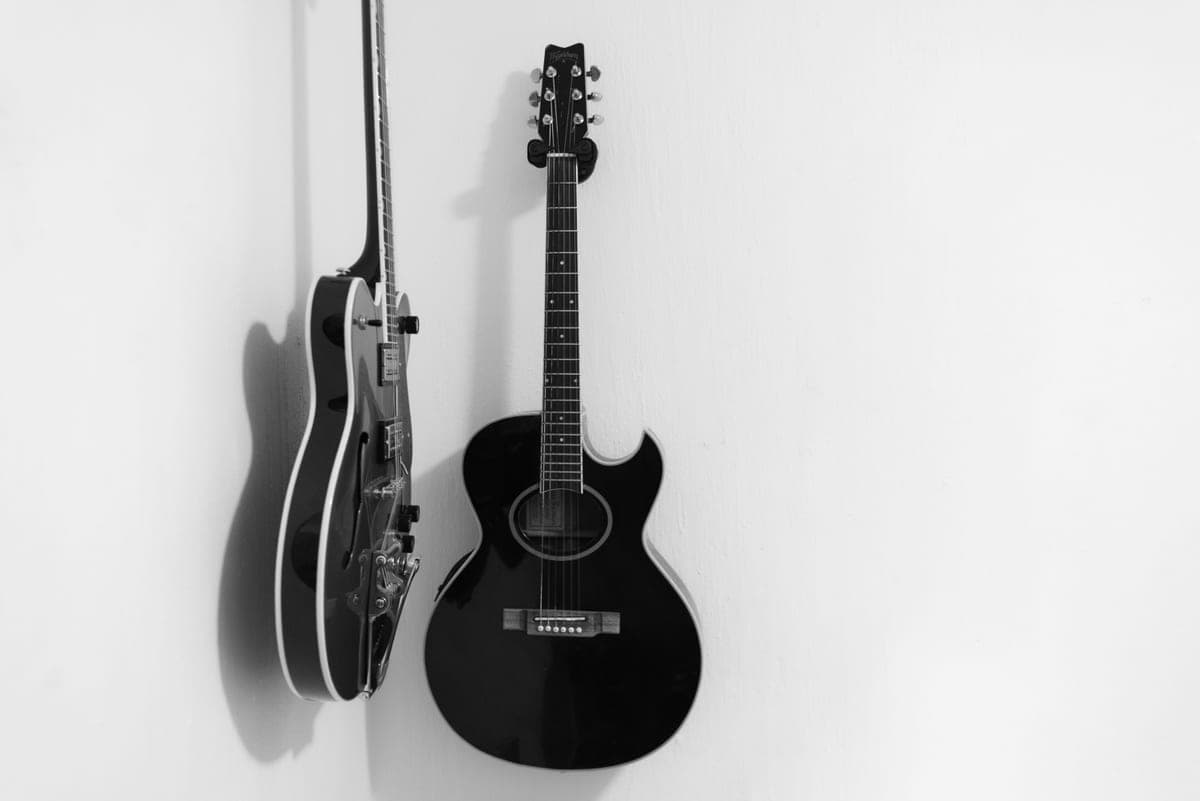
Two decisions come before choosing a model: what size the player needs, and whether the strings should be steel, nylon or electric. Get those right and almost any decent guitar works.
More first guitars are bought badly than any other instrument, and it is almost never because the buyer picked a bad brand. It is because they picked the wrong size, or the wrong string type, or a package that left out the one thing that makes a guitar playable. Those three mistakes account for most of the guitars that end up under a bed by March.
Guitars come in 1/4, 1/2, 3/4 and full sizes, and the numbers describe scale length rather than any consistent physical fraction. A child can reach the first-position chords on a guitar whose scale length suits their arm and hand, and cannot reach them on one that does not. No amount of practice fixes a reach problem. Our guitar sizing page gives the measurement rather than a birthday chart, because two nine-year-olds can need different sizes and frequently do.
Adults essentially always want a full-size instrument, with one exception worth knowing: a smaller-framed adult often finds a concert-body or parlour-shaped acoustic far more comfortable than a dreadnought, without giving up any scale length. That is a body-shape decision, not a size decision, and the two get confused constantly.
This decision matters more for a beginner’s first month than the brand on the headstock does.
| Type | Feels like | Suits | Watch out for |
|---|---|---|---|
| Nylon (classical) | Soft, wide neck, low tension | Young children, sore fingertips, classical and folk | Wide neck is a stretch for small hands; wrong for pop strumming |
| Steel (acoustic) | Firm, brighter, narrower neck | Most beginners aged roughly 8 and up | Hurts for the first two weeks; high action makes it much worse |
| Electric | Lightest touch of the three | Teenagers, rock and pop, quiet practice on headphones | Needs an amp and a cable, or it does not make a sound |
The comfort ranking is real but temporary: fingertips toughen in about two weeks on any string type. Choose for the music the player actually wants to make, and treat the first fortnight as a fixed cost.
A guitar on its own is not playable. It needs, at minimum, a tuner, and in practice it also wants a strap, a bag, a stand and a set of picks. Buying a pack usually costs less than assembling the same items and it arrives in one delivery, which matters more than it sounds when a child’s enthusiasm has a shelf life. What a pack does not include is a setup, and a setup is the thing most likely to make a cheap guitar feel like a good one.
A setup means adjusting the string height and the neck relief so the strings sit close to the fretboard without buzzing. It typically costs a modest amount at a local shop and it transforms a budget instrument. On very cheap guitars it can cost a meaningful fraction of the instrument’s price, and this is the honest reason we recommend spending a little more on the guitar itself: better factory setups are what you are actually paying for.
Bass deserves its own consideration. The scale length is much longer, the strings are much heavier, and the physical demand on a young player’s hands is genuinely higher. A student under about twelve is usually better served by a short-scale bass, and a student who wants to play bass because bass players are always needed is making a perfectly sound decision. They are.
The ukulele has the lowest barrier to a first song of any instrument on this site, and a good one is far cheaper than a good guitar. It is a legitimate destination as well as a stepping stone. The ukulele section covers sizing, strings and how the chord shapes transfer to a guitar later.
If nothing has been decided yet, start with the main guitar roundup, which puts sizing before models. From there the decision usually splits by player: a teenager choosing on style and a player whose hands are the constraint need different answers, and the second is about scale length rather than body size.
Three short pages do most of the work in the first month. How to tune a guitar removes the most common reason a new guitar sounds bad. The starter kit page lists what a bundle includes and what it leaves out. And strings plus when to change them is the cheapest real improvement available to any guitar on this site.
Section
The fastest instrument on this site to get a real song out of, and the one most often bought in the wrong size for the player's hands.

Best beginner guitar
Acoustic, electric and kids' sizes in one place, with the sizing decision first.
Top pick: Yamaha FG820
#ad · price as of October 27, 2026 · how this is funded
Best beginner acoustic
Solid top versus laminate, body shapes that suit smaller players, and where the budget floor really is.
Top pick: Yamaha FG820
#ad · price as of October 27, 2026 · how this is funded

Best beginner electric
Packs versus separates, fixed bridge versus vibrato, and which scale suits which player.
Top pick: Squier Sonic Stratocaster Pack
#ad · price as of October 27, 2026 · how this is funded

Best beginner bass
Scale length, P versus J pickups, and why a guitar amp will not do.
Top pick: Squier Affinity Precision Bass Pack
#ad · price as of October 27, 2026 · how this is funded
Best for adults
Body shape over scale length, the neck features that reduce finger pain, and why time-poor adults should buy well.
Top pick: Yamaha FG820
#ad · price as of October 27, 2026 · how this is funded

Guitar sizing
Sizing table by age, height and scale length, plus the fit test that beats the chart.
Top pick: Yamaha JR1 FG Junior
#ad · price as of October 27, 2026 · how this is funded
Best for age 10
Sized picks for a ten-year-old, and how to tell whether they are ready for a full-size guitar.
Top pick: Yamaha JR1 FG Junior
#ad · price as of October 27, 2026 · how this is funded
Starter kits
What a pack includes, the four things it leaves out, and when to buy separates instead.
Top pick: Squier Sonic Stratocaster Pack
#ad · price as of October 27, 2026 · how this is funded
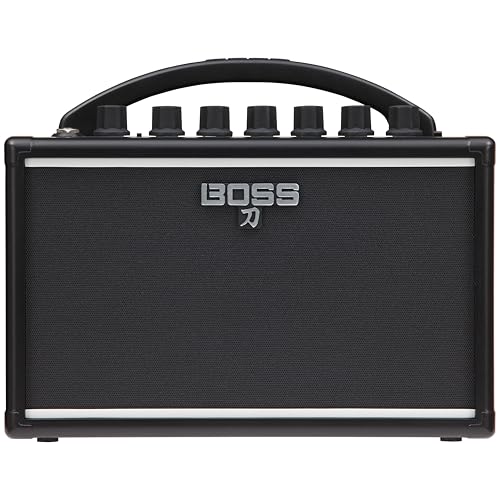
Best practice amp
Why wattage barely matters at home, and which small amps are actually pleasant to play through.
Top pick: Boss Katana Mini
#ad · price as of October 27, 2026 · how this is funded
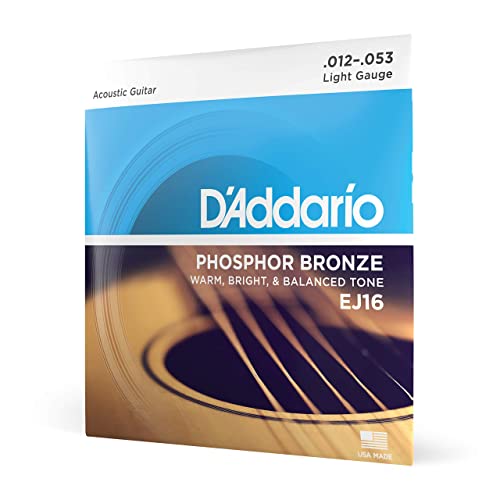
Best beginner strings
What the gauge numbers mean, whether coated strings are worth it, and when a gauge change needs a setup.
Top pick: D'Addario EJ16 Phosphor Bronze Light
#ad · price as of October 27, 2026 · how this is funded
String care
The four signs of dead strings, a realistic schedule, and why fresh strings fix 'my guitar sounds bad'.
Top pick: D'Addario EJ16 Phosphor Bronze Light
#ad · price as of October 27, 2026 · how this is funded

Guitar method books
Which book for which age, and why a tab-only book stalls a player at about month nine.
Top pick: Hal Leonard Guitar Method Book 1
Acoustic vs electric
Side by side on difficulty, total cost, noise and motivation — with a recommendation per situation.
Top pick: Yamaha FG820
#ad · price as of October 27, 2026 · how this is funded

Best for small hands
Short-scale picks for small hands, for adults as well as children, with the scale lengths stated.
Top pick: Fender California Standard Redondo Mini 3/4 Bundle
#ad · price as of October 27, 2026 · how this is funded

Best for teenagers
Full-size picks chosen by the music a teenager actually wants to play, plus the amp question.
Top pick: Yamaha Pacifica PAC012
#ad · price as of October 27, 2026 · how this is funded

Standard tuning, using a clip-on properly, and why a new guitar will not stay in tune at first.
Top pick: Snark SN5X Clip-On Chromatic Tuner
#ad · price as of October 27, 2026 · how this is funded

Best kids' electric guitar
Why scale length decides it, which short-scale electrics publish theirs, and the amp you have to budget for.
Top pick: Squier Mini Stratocaster
#ad · price as of October 27, 2026 · how this is funded

Best guitar capo
Trigger, lever and screw capos compared on tuning stability and fit, with the placement rule that stops the buzzing.
Top pick: Shubb C1 Standard Capo for Steel String Guitar, Polished Nickel
#ad · price as of October 27, 2026 · how this is funded

Best beginner guitar strap
Which strap for which guitar, what width and length actually change, and the strap-button problem on acoustics.
Top pick: Ernie Ball Polypro Guitar Strap, Black (P04037)
#ad · price as of October 27, 2026 · how this is funded

Best guitar picks for beginners
What pick gauge changes, which thickness to start on, and why a variety pack beats any single recommendation.
Top pick: Dunlop Tortex Standard Picks Variety Pack, 12 Player's Pack

Best left-handed beginner guitar
Whether to learn left-handed at all, then four genuine left-handed beginner guitars in child and adult sizes.
Top pick: Fender CD-60S Dreadnought Acoustic, Left-Handed
#ad · price as of October 27, 2026 · how this is funded

Best guitar humidity control
Why dry air cracks acoustics, how to measure before buying, and four humidity products compared.
Top pick: MusicNomad HONE Guitar Hygrometer (MN312)
#ad · price as of October 27, 2026 · how this is funded
Most seven-year-olds fit a 1/2 size guitar, and some tall seven-year-olds fit a 3/4. Measure rather than assume: with the guitar in playing position, the child should reach the first fret comfortably without leaning their shoulder forward, and their forearm should rest naturally over the body.
Start on whichever produces the music the player wants to make. Electric strings are physically easier to press and electric guitars can be practiced silently on headphones; acoustic guitars need nothing else to make a sound. Neither is a prerequisite for the other, and the widespread advice to 'start on acoustic' is a habit rather than a rule.
Most benefit from one and cheap ones need it. A setup lowers the string height so the guitar plays without excessive finger pressure. If a beginner is struggling to hold a clean chord, the instrument is more often the cause than the student, and a setup is the cheapest possible diagnosis.