The best beginner cellos
Cello is the instrument where we most often recommend renting instead of buying, and it is worth explaining why before showing you what to buy.
By Stephen V. · Writes Reed & Rosin · last verified
The short answer
Cellos come in the same fractional sizes as violins and need a bridge fitted before playing. Because they are large, easily damaged in transit and require setup, renting a first cello is usually the better decision — the case for buying starts once the student is on a full 4/4.
Some links on this page earn us a commission at no extra cost to you. It does not change which instrument we recommend, and it does not change the order. We also earn nothing when the honest answer is “rent it” — and we still say so. Full disclosure.
Quick picks
| # | Product | Best for | Score | Price |
|---|---|---|---|---|
| 1 |  Cecilio 4/4 Full Size Cello Set A full-size beginner cello outfit with the bow, bag and rosin included. Cellos are the one orchestral string where renting almost always wins on cost — read the math before buying this. | Buying rather than renting a first cello | 7.9/10 | $479.64View on Amazon #ad · price as of October 27, 2026 · how this is funded |
| 2 | 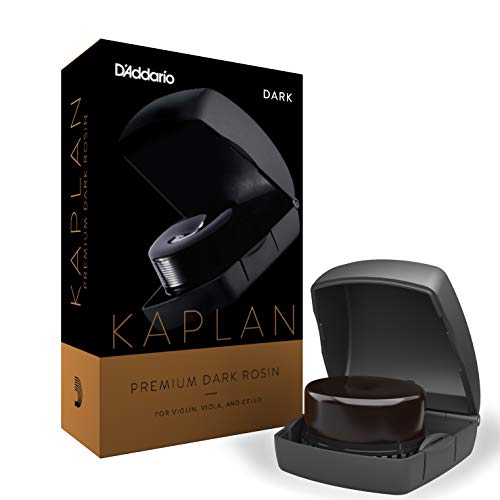 D'Addario Kaplan Premium Rosin, Dark Dark rosin is softer and grippier than light, which suits a beginner still learning bow pressure. The case is the underrated part: rosin that lives in a case survives a school bag. | Beginners still finding bow grip | 9.1/10 | $12.99View on Amazon #ad · price as of October 27, 2026 · how this is funded |
Scores are our own editorial fit rating from published specifications — the rubric is on our methodology page. They are not test results; we have not played these instruments.
Buying this as a gift? Our gift guides re-explain these picks for the gifter. Wondering whether to wait for November? The Black Friday hub has the sourced record of what discounted last year and what did not.
The rental case, stated first
We earn a commission on a cello purchase and nothing on a rental, and for a first cello we would usually rent. Four reasons:
- Shipping damage is a genuine risk. A cello is a large, thin-walled wooden box, and shipping one is meaningfully more likely to end badly than shipping a violin.
- It needs setup before it can be played. The bridge arrives unfitted, and fitting a cello bridge is a bigger job than fitting a violin bridge.
- Sizing changes as the child grows. Same fractional sequence as violin, same repeat-purchase problem, on a considerably more expensive instrument.
- Rental rates are proportionally reasonable. The published chart we checked lists cello at the same monthly rate as an alto saxophone, for an instrument that costs a good deal more to buy.
The case for buying starts once the student is on a full-size 4/4 and has clearly stayed with it — the same crossover point as violin.
Cello sizing
| Size | Typical age | Typical height | Notes |
|---|---|---|---|
| 1/8 | 4-6 | Under 4 ft | Uncommon; rental programs are the usual source |
| 1/4 | 5-7 | 4 ft - 4 ft 5 in | |
| 1/2 | 7-11 | 4 ft 5 in - 4 ft 9 in | The most common size for primary-age students |
| 3/4 | 11-15 | 4 ft 9 in - 5 ft | |
| 4/4 (full) | 15 and up | 5 ft and above | Most adults, and the point at which buying makes sense |
Cello sizing depends on the player's overall height and the length of their arms rather than on arm length alone, because the instrument is held between the knees rather than under the chin. A teacher's assessment beats a table here more than it does for violin.
The fit check
- 1
Seat the student with the cello between their knees
On a chair, feet flat on the floor, knees at roughly a right angle. The cello rests against the chest with the endpin extended so the instrument is at a comfortable angle.
- 2
Check where the C peg sits
The top peg on the player's left should sit roughly level with the ear. Significantly above means the instrument is too large; well below means too small.
- 3
Check the left hand reaches first position comfortably
With the arm relaxed and the elbow neither locked nor cramped, the fingers should fall naturally into first position without leaning the body toward the fingerboard.
- 4
Check the knees clear the lower bouts
The wide lower curves of the body should sit against the inside of the knees without the player having to splay their legs uncomfortably.
What a cello outfit needs
The same components as a violin outfit, plus two cello-specific ones:
- An endpin stop. A rubber-tipped anchor or a strap that stops the endpin sliding across a hard floor. Without one the cello slowly walks away from the player mid-piece, which is exactly as distracting as it sounds. Frequently not included.
- A soft case or bag with backpack straps. Carrying a cello by a handle is genuinely awkward; backpack straps make it manageable for a student walking to school.
Cello rosin is also formulated differently from violin rosin — softer and stickier, because thicker strings need more grip. Some rosins are sold for violin, viola and cello together and work fine for a student.
What to check the moment it arrives
Open the case immediately and look for shipping damage: cracks along the seams, a detached bridge, and a soundpost that has fallen inside the body. Look through the f-hole — the soundpost should be standing upright near the bridge.
A fallen soundpost is not a defect you should tune around. Do not bring the instrument up to pitch; take it to a shop, because tuning a cello with no soundpost can damage the top.
If you are buying
Look for the same things as on a violin: a solid carved top and ebony fittings. Budget for a setup, and buy the endpin stop at the same time rather than discovering the need for one on a wooden floor.
Buying locally is a stronger argument for cello than for any other instrument on this site, because it eliminates the shipping risk entirely and usually includes the setup in the price.
Two things to settle before you order anything. Size, which on a cello is measured by player height and a seated fitting check rather than by age — the cello size chart has the published bands and the check itself. And whether to buy at all: we have put the published rental rate and the break-even arithmetic on rent or buy a cello, and for a growing child it does not favour the purchase we earn a commission on.
Whichever cello you end up with, two items in the box deserve checking before you blame the instrument for the sound: the rosin, which on a budget outfit is frequently the wrong grade for a cello, and the bow, which is frequently warped. Both are covered on our page on cello bow and rosin for beginners.
A cello also has to get to school, which is a harder problem than it sounds for a player shorter than the instrument. Our cello cases page covers sizing, published padding figures and when a hardshell is worth its price.
The picks, in full
Every card below is written from the published specification and the manufacturer’s own documentation. We have not played these instruments — see how we work for exactly what that means and what we do instead.
Our top pick · Buying rather than renting a first cello
Cecilio 4/4 Full Size Cello Set
A full-size beginner cello outfit with the bow, bag and rosin included. Cellos are the one orchestral string where renting almost always wins on cost — read the math before buying this.
What works
- Complete outfit — a cello bought without a soft case is a cello that gets damaged
- Full 4/4 size suits players roughly 15 and up
What to know
- Shipping damage risk is real on an instrument this large
- Setup and bridge fitting are essentially mandatory before playing
- Size
- 4/4 (full)
- Outfit
- Bow, soft case, rosin, bridge (per listing)
- Endpin
- Not published
#ad · price as of October 27, 2026 · how this is funded
Specs read from the manufacturer or retailer listing on 2026-09-07. Our fit score: 7.9/10.
Pick 2 · Beginners still finding bow grip
D'Addario Kaplan Premium Rosin, Dark
Dark rosin is softer and grippier than light, which suits a beginner still learning bow pressure. The case is the underrated part: rosin that lives in a case survives a school bag.
What works
- Dark formulation grips more readily, so early tone comes easier
- Protective case prevents the cracked-rosin problem
- Low dust compared with the cake that ships in budget outfits
What to know
- Dark rosin can feel sticky in a hot, humid room
- Costs several times what a bundled cake does
- Type
- Dark
- For
- Violin, viola, cello
- Case
- Included
#ad · price as of October 27, 2026 · how this is funded
Specs read from the manufacturer or retailer listing on 2026-09-07. Our fit score: 9.1/10.
Questions people actually ask
What size cello does my child need?
Most primary-age students use a 1/2 cello, moving to 3/4 around eleven and full size around fifteen. Cello sizing depends on overall height as well as arm length because the instrument is held between the knees, so a teacher's assessment is worth more here than a chart.
Should I rent or buy a beginner cello?
Rent, in most cases. Cellos are large and easily damaged in transit, need a bridge fitted before playing, and come in fractional sizes a child will outgrow. The case for buying begins once the student is on a full 4/4 and has clearly stayed with it.
Does a beginner cello need anything besides the outfit?
An endpin stop, which anchors the spike so the cello does not slide across a hard floor, and ideally a bag with backpack straps. Neither is reliably included, and the endpin stop is the one people discover they need on the first day.
What should I check when a cello arrives?
Look for cracks along the seams, a detached bridge, and whether the soundpost is still standing — you can see it through the f-hole near the bridge. If the soundpost has fallen, do not tune the instrument up; take it to a shop.
Sources
We have not played these instruments, so citation is our evidence. Everything above traces back to one of these, on the date shown.