Cello size chart
Cello sizes run in the same fractions as violins and mean something completely different. A 3/4 cello is not a small cello; it is most of a full one.
By Stephen V. · Writes Reed & Rosin · last verified
The short answer
Measure the player, not their birthday. On the published chart we read, 1/2 fits roughly 4 to 4 1/2 feet tall, 3/4 fits 4 1/2 to 5 feet, and 4/4 fits 5 feet and above — which usually means age 15 and up. Then do the seated check before you buy anything.
Some links on this page earn us a commission at no extra cost to you. It does not change which instrument we recommend, and it does not change the order. We also earn nothing when the honest answer is “rent it” — and we still say so. Full disclosure.
Quick picks
| # | Product | Best for | Score | Price |
|---|---|---|---|---|
| 1 |  Cecilio 4/4 Full Size Cello Set A full-size beginner cello outfit with the bow, bag and rosin included. Cellos are the one orchestral string where renting almost always wins on cost — read the math before buying this. | Buying rather than renting a first cello | 7.9/10 | $479.64View on Amazon #ad · price as of October 5, 2026 · how this is funded |
| 2 | 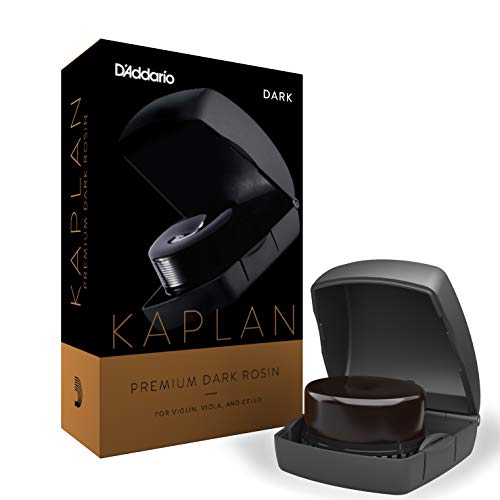 D'Addario Kaplan Premium Rosin, Dark Dark rosin is softer and grippier than light, which suits a beginner still learning bow pressure. The case is the underrated part: rosin that lives in a case survives a school bag. | Beginners still finding bow grip | 9.1/10 | $12.99View on Amazon #ad · price as of October 5, 2026 · how this is funded |
| 3 |  On-Stage SM7211B Folding Music Stand A folding stand that is genuinely sturdy rather than the wire tripod that collapses under a hardback book. The right answer when the stand has to travel to a lesson every week. | Stands that go to lessons | 8.6/10 | $52.95View on Amazon #ad · price as of October 5, 2026 · how this is funded |
Scores are our own editorial fit rating from published specifications — the rubric is on our methodology page. They are not test results; we have not played these instruments.
Why cello fractions mislead people
A 1/2 violin is roughly half the length of a full violin and looks like a toy next to one. A 1/2 cello is nothing of the sort. On the published chart we read, a 1/2 cello has a back length of 23 to 26 inches against a full size at 30 inches and above — so a “half” cello is well over three-quarters the body length of a full one. The fractions are a naming convention inherited from the violin family, not a ratio.
The practical consequence: do not reason about cello sizes by scaling down from a violin, and do not assume a child needs a tiny instrument. Most school cellists are on a 1/2 or a 3/4, and a reasonably tall thirteen-year-old may already be on a full size.
The chart
| Size | Age (guide only) | Player height | Back length |
|---|---|---|---|
| 1/8 | 4-6 years | Below 4 feet | 17.75 - 20 in |
| 1/4 | 5-7 years | Below 4 feet | 20 - 23 in |
| 1/2 | 7-11 years | 4 - 4 1/2 feet | 23 - 26 in |
| 3/4 | 11-15 years | 4 1/2 - 5 feet | 26 - 27.25 in |
| 7/8 | Not given | Not given | 27.25 - 30 in |
| 4/4 (full) | 15 and above | 5 feet and above | 30 in and above |
Every figure in this table is read from the Hidersine cello sizing chart on 5 October 2026 and is listed in the Sources block below. Where that chart does not publish a figure — the age and height bands for a 7/8 cello — we write that rather than interpolating one. Age bands overlap in the source; that is not a transcription error, it reflects that height decides and age only sorts.
Read the height column first and the age column last. The age bands overlap deliberately, and they overlap because a tall nine-year-old and a small twelve-year-old can need the same instrument. A birthday has never measured anything.
The 7/8 size deserves a note of its own. It exists, it sits between 3/4 and full, and it is uncommon enough in school programs that you may never be offered one. It matters mainly for an adult with a small frame, where a 7/8 can be a far more comfortable instrument than a full size and is rarely suggested.
The seated check, which settles it in two minutes
A chart narrows the choice; sitting down with the instrument confirms it. The published fitting check we read works like this, and it is worth doing in a shop or a band room before anything is ordered.
- Sit up straight on a chair, with both feet flat on the floor.
- Set the endpin — the spike at the bottom — to extend about twelve inches.
- Let the cello rest against the chest at roughly a 45-degree angle.
- The top of the body should sit at the centre of the chest, and the C string peg — the lowest, furthest from the player — should come up near the left ear.
If the peg is somewhere behind the player’s head, the cello is too big. If it is down near the shoulder, it is too small. The left hand should then reach the lowest position comfortably with a rounded wrist rather than a stretched arm.
The teacher decides, and they will be glad you asked
School orchestra programs size their own students, often in the first week, and a program that owns instruments will usually put the child on one of theirs regardless of what a chart says. Ask before buying — our questions to ask the director settles sizing, brand lists and rental in one conversation, and school orchestra instruments covers how the string sections are usually assigned.
Sizing is the reason cello renting usually wins
A child who starts cello at eight will typically pass through a 1/2 and a 3/4 before reaching full size, and cellos are both expensive and difficult to resell — the buyer pool for a used 3/4 cello is small, local, and mostly served by the rental programs you would be competing with. That is the whole argument, and we have put the published rental rate and the break-even arithmetic on the cello rent-versus-buy page rather than asserting it here. We earn a commission when you buy a cello through this site and nothing at all when you rent one, and that page still recommends renting for most growing children.
Where buying is the right call: an adult, a student already on a full size, or a household with no rental program within reach. In those cases our beginner cello roundup has the outfit we would buy and what to check when it arrives, because a cello is the instrument most likely to need a setup and a bridge fitted before it plays at all.
What you need alongside the instrument
Three things, and only the first is urgent. Rosin, because a bow with no rosin on it slides across the string and produces almost no sound — a fact that has convinced many a beginner their instrument is broken on day one. A music stand, because reading from a book propped on a chair teaches a posture problem; our music stands page compares the folding stand that goes to lessons against the one that outlives the student. And a soft case if the outfit did not include one, which for a cello is less about dents than about the bow.
Rosin for cello is the same product family as rosin for violin and viola, and the dark grades are grippier, which suits a beginner still finding bow pressure. Our rosin guide compares three grades and how to rosin a bow covers the first application, which is the one that takes the longest.
The picks, in full
Every card below is written from the published specification and the manufacturer’s own documentation. We have not played these instruments — see how we work for exactly what that means and what we do instead.
Our top pick · Buying rather than renting a first cello
Cecilio 4/4 Full Size Cello Set
A full-size beginner cello outfit with the bow, bag and rosin included. Cellos are the one orchestral string where renting almost always wins on cost — read the math before buying this.
What works
- Complete outfit — a cello bought without a soft case is a cello that gets damaged
- Full 4/4 size suits players roughly 15 and up
What to know
- Shipping damage risk is real on an instrument this large
- Setup and bridge fitting are essentially mandatory before playing
- Size
- 4/4 (full)
- Outfit
- Bow, soft case, rosin, bridge (per listing)
- Endpin
- Not published
#ad · price as of October 5, 2026 · how this is funded
Specs read from the manufacturer or retailer listing on 2026-09-07. Our fit score: 7.9/10.
Pick 2 · Beginners still finding bow grip
D'Addario Kaplan Premium Rosin, Dark
Dark rosin is softer and grippier than light, which suits a beginner still learning bow pressure. The case is the underrated part: rosin that lives in a case survives a school bag.
What works
- Dark formulation grips more readily, so early tone comes easier
- Protective case prevents the cracked-rosin problem
- Low dust compared with the cake that ships in budget outfits
What to know
- Dark rosin can feel sticky in a hot, humid room
- Costs several times what a bundled cake does
- Type
- Dark
- For
- Violin, viola, cello
- Case
- Included
#ad · price as of October 5, 2026 · how this is funded
Specs read from the manufacturer or retailer listing on 2026-09-07. Our fit score: 9.1/10.
Pick 3 · Stands that go to lessons
On-Stage SM7211B Folding Music Stand
A folding stand that is genuinely sturdy rather than the wire tripod that collapses under a hardback book. The right answer when the stand has to travel to a lesson every week.
What works
- Folds into a bag while still holding a real method book
- Noticeably heavier gauge than the cheapest wire stands
What to know
- Any folding stand is less stable than a Manhasset
- The folding desk creases sheet music at the seam over time
- Type
- Folding, portable
- Bag
- Included (per listing)
#ad · price as of October 5, 2026 · how this is funded
Specs read from the manufacturer or retailer listing on 2026-09-07. Our fit score: 8.6/10.
Questions people actually ask
What size cello do I need?
Measure height rather than age. On the published chart we read, a player under 4 feet needs a 1/8 or 1/4, 4 to 4 1/2 feet needs a 1/2, 4 1/2 to 5 feet needs a 3/4, and 5 feet and above needs a full size. Confirm with the seated fitting check before buying.
What age is a full size cello for?
Roughly 15 and above on the chart we read, but height decides it. A player of 5 feet or more generally fits a 4/4, so a tall thirteen-year-old may already be on a full size while a small fifteen-year-old is still comfortable on a 3/4.
How do I measure for a cello?
Sit up straight with both feet flat on the floor, extend the endpin about twelve inches, and let the cello rest against the chest at roughly 45 degrees. The top of the body should sit at the centre of the chest and the C string peg should come up near the left ear.
Is a 1/2 size cello half the size of a full cello?
No. A 1/2 cello has a back length of 23 to 26 inches against 30 inches and above for a full size, so it is well over three-quarters of the body length. Cello fractions are a naming convention borrowed from the violin family rather than a ratio.
What is a 7/8 cello for?
It sits between a 3/4 and a full size, with a published back length of 27.25 to 30 inches. It is uncommon in school programs, and it matters mainly for an adult with a small frame, for whom a 7/8 can be far more comfortable than a full size and is rarely suggested.
How many cello sizes will my child go through?
Usually two or three. A child starting around eight typically moves from a 1/2 to a 3/4 and then to a full size somewhere in their teens. That sequence, and how poorly fractional cellos resell, is why renting usually wins for a growing player.
Sources
We have not played these instruments, so citation is our evidence. Everything above traces back to one of these, on the date shown.