Violin rosin, explained
Without rosin, a violin makes almost no sound. It is the cheapest item in the case and the one most likely to be the reason a new instrument seems broken.
By Stephen V. · Writes Reed & Rosin · last verified
The short answer
Rosin is tree resin applied to bow hair so it grips the strings. Dark rosin is softer and grippier, which suits beginners still learning bow pressure; light rosin is harder and cleaner, and suits humid climates. A beginner should apply rosin every two to three playing sessions.
Some links on this page earn us a commission at no extra cost to you. It does not change which instrument we recommend, and it does not change the order. We also earn nothing when the honest answer is “rent it” — and we still say so. Full disclosure.
Quick picks
| # | Product | Best for | Score | Price |
|---|---|---|---|---|
| 1 | 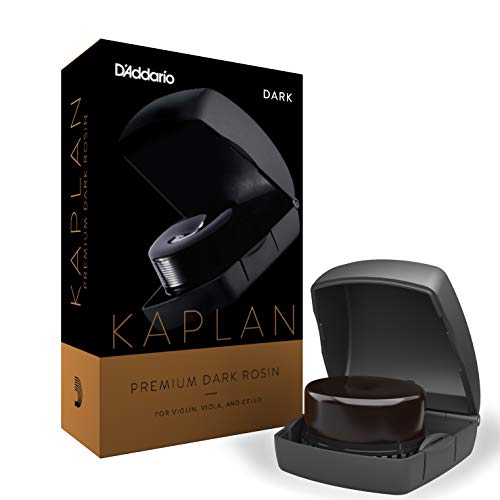 D'Addario Kaplan Premium Rosin, Dark Dark rosin is softer and grippier than light, which suits a beginner still learning bow pressure. The case is the underrated part: rosin that lives in a case survives a school bag. | Beginners still finding bow grip | 9.1/10 | $12.99View on Amazon #ad · price as of October 27, 2026 · how this is funded |
| 2 |  Pirastro Goldflex Rosin A cloth-wrapped cake with gold in the formulation, sold for violin, viola and cello alike. Cleaner and less dusty than most, which matters if the player or the household reacts to rosin dust. | Households bothered by rosin dust | 8.7/10 | $19.44View on Amazon #ad · price as of October 27, 2026 · how this is funded |
| 3 |  Hidersine 1V Violin Rosin The cheapest rosin we would actually put on a student bow. It is a plain, hard, boxed cake with no pretensions, and it is a clear step up from the unbranded lump in a budget outfit. | A cheap replacement for outfit rosin | 8.2/10 |
Scores are our own editorial fit rating from published specifications — the rubric is on our methodology page. They are not test results; we have not played these instruments.
What rosin actually does
Bow hair is smooth, and smooth hair slides across a string without catching it. Rosin — hardened tree resin, usually from pine — coats the hair with a slightly sticky layer that grips the string, pulls it sideways, and releases. That grip-and-release cycle, repeated hundreds of times a second, is what makes the string vibrate.
No rosin, no grip, no sound. A brand new bow with no rosin on it produces a faint whisper, which is why this is the most common “my new violin is broken” question in existence.
Dark or light
| Dark rosin | Light rosin | |
|---|---|---|
| Texture | Softer, stickier | Harder, drier |
| Grip | More — the string catches readily | Less — a cleaner, more controlled contact |
| Sound | Fuller, warmer, slightly rougher | Cleaner, more focused |
| Dust | More | Less |
| Suits | Beginners, cool and dry climates, lower strings | Humid climates, advancing players, upper strings |
| Watch for | Feels sticky and gummy in a hot, humid room | A beginner may struggle to get enough grip |
Season matters more than most guides admit. Dark rosin in a humid summer can feel gummy, and the same cake in winter is ideal. Some players keep both and switch.
For a beginner, dark is the better default. Early bowing technique means inconsistent pressure and speed, and the extra grip means the string speaks more readily while that control develops.
How often to apply it
Every two to three playing sessions is a reasonable rule for a beginner. The real answer is whenever the tone starts to thin and the bow feels like it is sliding rather than catching.
Over-rosining is a real problem and much more common than under-rosining after the first fortnight. Too much rosin produces a harsh, scratchy tone, visible white dust across the violin top, and a crunchy feeling under the bow. If the sound has become abrasive and there is dust everywhere, the answer is to stop rosining for a week and wipe the strings after each session.
Wipe the strings and the violin top after playing
Rosin dust falls onto the instrument and, left there, hardens onto the varnish and becomes genuinely difficult to remove. Ten seconds with a soft dry cloth after every session prevents it entirely.
Wipe the strings too. Rosin builds up on them, dulls the tone, and makes the strings feel gritty under the fingers.
Storage, and why cased rosin is worth it
Rosin is brittle. Dropped on a hard floor it shatters, and a shattered cake is awkward to use because the flat surface the bow needs is gone. A cased rosin survives a school bag; an uncased cake in a case pocket does not.
It also lasts a very long time. A single cake typically lasts a student a year or more, so this is a small cost either way — the case is about not losing the cake before it is used up.
Does rosin go bad?
It does not spoil, but very old rosin dries out and becomes glassy: it stops transferring to the hair properly and starts to crumble. If a cake has been in a case for many years and no longer seems to do anything, replace it rather than assuming the bow is at fault.
There is no useful substitute. Improvised alternatives suggested online — candle wax, pine sap, and worse — either do nothing or contaminate the bow hair permanently, which then needs a rehair.
The picks, in full
Every card below is written from the published specification and the manufacturer’s own documentation. We have not played these instruments — see how we work for exactly what that means and what we do instead.
Our top pick · Beginners still finding bow grip
D'Addario Kaplan Premium Rosin, Dark
Dark rosin is softer and grippier than light, which suits a beginner still learning bow pressure. The case is the underrated part: rosin that lives in a case survives a school bag.
What works
- Dark formulation grips more readily, so early tone comes easier
- Protective case prevents the cracked-rosin problem
- Low dust compared with the cake that ships in budget outfits
What to know
- Dark rosin can feel sticky in a hot, humid room
- Costs several times what a bundled cake does
- Type
- Dark
- For
- Violin, viola, cello
- Case
- Included
#ad · price as of October 27, 2026 · how this is funded
Specs read from the manufacturer or retailer listing on 2026-09-07. Our fit score: 9.1/10.
Pick 2 · Households bothered by rosin dust
Pirastro Goldflex Rosin
A cloth-wrapped cake with gold in the formulation, sold for violin, viola and cello alike. Cleaner and less dusty than most, which matters if the player or the household reacts to rosin dust.
What works
- Noticeably low dust in use
- Cloth wrap means no case to lose and less breakage
- Works across violin, viola and cello
What to know
- Less initial grip than a dark rosin for a very new player
- The cloth wrap gets grubby quickly
- Type
- Gold-infused, medium
- For
- Violin, viola, cello
#ad · price as of October 27, 2026 · how this is funded
Specs read from the manufacturer or retailer listing on 2026-09-07. Our fit score: 8.7/10.
Pick 3 · A cheap replacement for outfit rosin
Hidersine 1V Violin Rosin
The cheapest rosin we would actually put on a student bow. It is a plain, hard, boxed cake with no pretensions, and it is a clear step up from the unbranded lump in a budget outfit.
What works
- Costs very little and lasts a beginner most of a year
- Boxed, so it survives being carried
What to know
- Hard cake needs scoring with sandpaper before a new bow will take it
- Dustier than the premium options
- Type
- Series 1, violin
- Hardness
- Hard
Specs read from the manufacturer or retailer listing on 2026-09-07. Our fit score: 8.2/10.
Questions people actually ask
Do you need rosin to play the violin?
Yes, and it is not optional. Bow hair with no rosin on it slides across the strings almost silently. A new bow needs rosin applied before its first use, and every bow needs it topped up regularly after that.
Should a beginner use dark or light rosin?
Dark, generally. It is softer and grippier, so the string speaks more readily while a beginner's bow control is still developing. Light rosin is cleaner and less dusty and suits humid climates and more advanced players.
How often should you rosin a violin bow?
Every two to three playing sessions for a beginner, or whenever the tone thins and the bow starts sliding rather than catching. Over-rosining is more common than under-rosining after the first fortnight and produces a harsh, scratchy sound.
What can I use instead of rosin for my violin?
Nothing. The substitutes suggested online — candle wax, pine sap and similar — either do nothing at all or contaminate the bow hair permanently, at which point the bow needs a rehair. Rosin is inexpensive and a cake lasts a student a year or more.
Is violin rosin supposed to be hard?
Yes, it is a hard, brittle cake at room temperature. New rosin often has a glassy surface that a fresh bow cannot pick up, which is why scoring the surface lightly with fine sandpaper before first use is standard practice.
Sources
We have not played these instruments, so citation is our evidence. Everything above traces back to one of these, on the date shown.