How to rosin a violin bow
The first time is different from every time after, and not knowing that is why a new violin can seem silent out of the box.
By Stephen V. · Writes Reed & Rosin · last verified
The short answer
Tighten the bow, then draw the hair across the rosin cake from frog to tip with light, even pressure, twenty to thirty strokes for a new bow and five to ten for routine top-ups. A brand new bow needs the rosin cake scored with fine sandpaper first.
Some links on this page earn us a commission at no extra cost to you. It does not change which instrument we recommend, and it does not change the order. We also earn nothing when the honest answer is “rent it” — and we still say so. Full disclosure.
Quick picks
| # | Product | Best for | Score | Price |
|---|---|---|---|---|
| 1 | 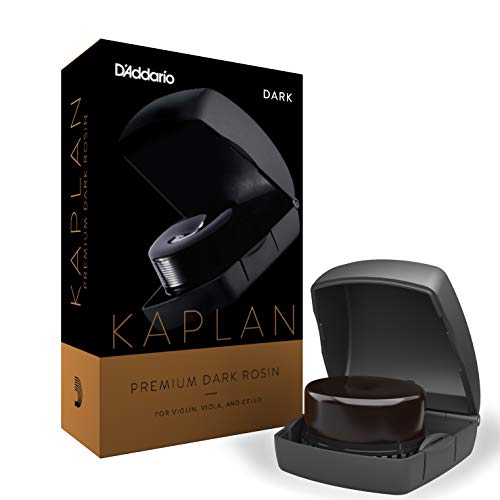 D'Addario Kaplan Premium Rosin, Dark Dark rosin is softer and grippier than light, which suits a beginner still learning bow pressure. The case is the underrated part: rosin that lives in a case survives a school bag. | Beginners still finding bow grip | 9.1/10 | $12.99View on Amazon #ad · price as of October 27, 2026 · how this is funded |
| 2 |  Hidersine 1V Violin Rosin The cheapest rosin we would actually put on a student bow. It is a plain, hard, boxed cake with no pretensions, and it is a clear step up from the unbranded lump in a budget outfit. | A cheap replacement for outfit rosin | 8.2/10 | |
| 3 | 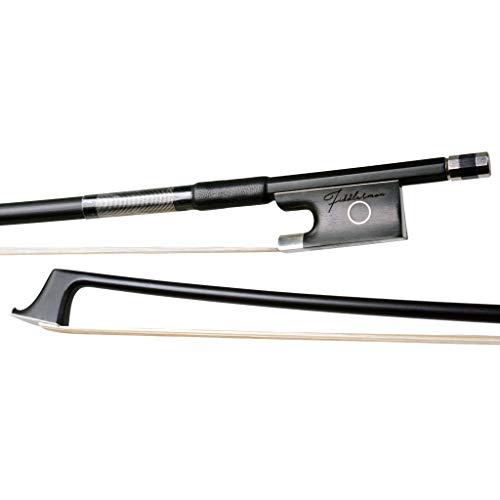 Fiddlerman Carbon Fiber Violin Bow 4/4 Carbon fiber is straighter, stronger and far more humidity-stable than a cheap wooden bow, and it does not warp when a student leaves the case in a car. The best single upgrade to a budget outfit. | Replacing the bow that came in the box | 9.0/10 | $68.79View on Amazon #ad · price as of October 27, 2026 · how this is funded |
Scores are our own editorial fit rating from published specifications — the rubric is on our methodology page. They are not test results; we have not played these instruments.
The first-time problem
A brand new bow has never held rosin. The hair is perfectly smooth, and a new rosin cake usually has a glassy surface from the mold. Smooth hair against a glassy surface transfers almost nothing, so a student rosins for a minute, gets no result, plays, and hears a faint whisper.
The fix takes thirty seconds and is not mentioned in most outfit packaging: score the rosin surface so it has something to give.
Step by step
- 1
Prepare the cake — first time only
Rub the flat surface of a new rosin cake lightly with fine sandpaper, or scratch it a few times with a key, until the shine is gone and the surface looks dull and slightly powdery. This gives the bow hair something to pick up.
- 2
Tighten the bow
Turn the screw at the frog until there is roughly a pencil's width of gap between the hair and the middle of the stick. Do not over-tighten. Rosining a slack bow puts rosin on the stick rather than evenly on the hair.
- 3
Hold the rosin firmly in one hand
Cased rosin can stay in its case, with the lid off. Uncased rosin should be held by its cloth or paper wrapper rather than by bare fingers — skin oils on the cake reduce how well it transfers.
- 4
Draw the hair across the cake, frog to tip
Place the hair flat against the rosin near the frog and draw the whole length of the bow across it in one steady motion. Light, even pressure — pressing hard does not deposit more rosin and does wear a groove in the cake.
- 5
Repeat: 20-30 strokes new, 5-10 routine
A brand new bow needs twenty to thirty passes before it grips properly. A bow already in use needs five to ten. Watch the hair: it changes from bright white and shiny to a slightly duller, matte white as it takes rosin.
- 6
Test it on the string
Draw the bow across an open string. It should produce a clear, immediate sound. If it is still faint and whispery, the hair needs more rosin. If it is harsh and scratchy with white dust flying, that is too much.
- 7
Loosen the bow when you finish playing
Not part of rosining, and the habit that most determines how long the bow lasts. Stored under tension, the stick gradually loses its camber and eventually stops springing back.
Never touch the bow hair with your fingers
Skin oils stop the hair holding rosin, and the affected section simply stops gripping the string. It cannot be washed off — the only remedy is a rehair.
Hold the bow by the frog and the stick only. This is worth telling a child explicitly, because running a finger along the hair is a very natural thing to do.
How to tell you have it right
| What you hear | What it means | What to do |
|---|---|---|
| Faint, whispery, the note barely speaks | Not enough rosin | Twenty more strokes, then test again |
| Clear tone, immediate response, no visible dust | Correct | Nothing. Top up every two or three sessions |
| Harsh, scratchy, white dust on the violin top | Too much rosin | Stop rosining for a week; wipe the strings and top after each session |
| Fine at the frog, patchy at the tip | Uneven application | Draw the full length of the bow across the cake in one motion rather than short strokes |
What NOT to do
- Do not press hard. It wears a groove in the cake and deposits no more rosin than light pressure does.
- Do not rosin a loose bow. The hair sags and rosin ends up on the stick, where it does nothing and looks bad.
- Do not rosin before every single session. Once the bow is properly rosined, every two or three sessions is enough.
- Do not use anything other than rosin. Wax, sap and other improvisations contaminate the hair permanently.
- Do not leave rosin dust on the violin. It hardens onto the varnish and becomes genuinely difficult to remove.
The picks, in full
Every card below is written from the published specification and the manufacturer’s own documentation. We have not played these instruments — see how we work for exactly what that means and what we do instead.
Our top pick · Beginners still finding bow grip
D'Addario Kaplan Premium Rosin, Dark
Dark rosin is softer and grippier than light, which suits a beginner still learning bow pressure. The case is the underrated part: rosin that lives in a case survives a school bag.
What works
- Dark formulation grips more readily, so early tone comes easier
- Protective case prevents the cracked-rosin problem
- Low dust compared with the cake that ships in budget outfits
What to know
- Dark rosin can feel sticky in a hot, humid room
- Costs several times what a bundled cake does
- Type
- Dark
- For
- Violin, viola, cello
- Case
- Included
#ad · price as of October 27, 2026 · how this is funded
Specs read from the manufacturer or retailer listing on 2026-09-07. Our fit score: 9.1/10.
Pick 2 · A cheap replacement for outfit rosin
Hidersine 1V Violin Rosin
The cheapest rosin we would actually put on a student bow. It is a plain, hard, boxed cake with no pretensions, and it is a clear step up from the unbranded lump in a budget outfit.
What works
- Costs very little and lasts a beginner most of a year
- Boxed, so it survives being carried
What to know
- Hard cake needs scoring with sandpaper before a new bow will take it
- Dustier than the premium options
- Type
- Series 1, violin
- Hardness
- Hard
Specs read from the manufacturer or retailer listing on 2026-09-07. Our fit score: 8.2/10.
Pick 3 · Replacing the bow that came in the box
Fiddlerman Carbon Fiber Violin Bow 4/4
Carbon fiber is straighter, stronger and far more humidity-stable than a cheap wooden bow, and it does not warp when a student leaves the case in a car. The best single upgrade to a budget outfit.
What works
- Does not warp with humidity, which cheap brazilwood reliably does
- Consistent weight and balance unit to unit
- Survives student handling that would break a wooden stick
What to know
- Costs a meaningful fraction of a budget outfit
- Tone is even but less colorful than good wood at the same weight
- Size
- 4/4
- Stick
- Carbon fiber
- Hair
- Mongolian horsehair (per listing)
#ad · price as of October 27, 2026 · how this is funded
Specs read from the manufacturer or retailer listing on 2026-09-07. Our fit score: 9.0/10.
Questions people actually ask
How do you rosin a violin bow for the first time?
Score the surface of the new rosin cake with fine sandpaper until the shine is gone, tighten the bow to playing tension, then draw the full length of the hair across the cake twenty to thirty times with light, even pressure.
How many times should you rosin a bow?
Twenty to thirty full-length strokes for a brand new bow, and five to ten for a routine top-up. After that, rosin every two or three playing sessions rather than before every one.
How do I know if I have used too much rosin?
The sound turns harsh and scratchy, white dust appears on the violin top under the strings, and the bow feels crunchy rather than smooth. Stop rosining for a week and wipe the strings and the instrument after each session.
Why is there no sound from my violin even after rosining?
Most often the rosin cake has never been scored, so a new bow cannot pick anything up from its glassy molded surface. Scratch the surface with fine sandpaper and rosin again with twenty to thirty full strokes.