
Trumpet math
Rent or buy a trumpet
Break-even months at a published rental rate, and why no-sizes makes trumpet the best buy-outright case.
Top pick: Yamaha YTR-2330 Student Bb Trumpet
Rental programs quote a monthly figure and purchase pages quote a sticker price, and almost nobody puts the two numbers in the same table. These pages do.
This is the section where our commercial interest and your interest point in opposite directions, so it is worth being blunt about it at the top: we earn a commission when you buy an instrument through a link on this site, and we earn nothing at all when you rent one. These pages recommend renting whenever the arithmetic says to, which on a first-year band instrument is often. If that seems like an odd way to run an affiliate site, it is; it is also the only version of this section worth publishing.
Divide the price of buying the instrument new by the monthly rental rate. That gives you the number of months at which renting has cost you as much as buying would have. Rent for fewer months than that and renting was cheaper. Rent for longer and buying would have been cheaper, assuming the instrument survives.
That last clause is where the simple version breaks down, and it is why each page below carries a full table rather than a single number. A rental agreement almost always bundles a maintenance or damage waiver, and beginner band instruments genuinely do need repairs: a dented bell, a bent key, a pad that stops sealing after a winter in a locker. If you own the instrument, each of those is a bill. If you rent it, most of them are not.
| Cost | Renting | Buying |
|---|---|---|
| Repairs in year one | Usually covered by the maintenance waiver in the agreement | Yours, and beginner instruments do need them |
| Outgrowing the size | Exchange for the next size at no purchase cost | Sell the old one, buy the new one, absorb the loss |
| Quitting in month four | Return it and stop paying | Sell it at a loss, or store it indefinitely |
This table is about which side of the decision each risk falls on, not about a specific dollar figure. The per-instrument pages carry the actual arithmetic with the rental rates they use and the dates those rates were observed.
Almost every rent-or-buy question comes down to two things, and neither of them is the price.
How likely is the student to stop? First-year band attrition is real, and it is nobody’s fault. A child who chose the clarinet because their friend did may not still be playing in March. Renting converts that risk from a purchase you regret into a subscription you cancel. If the student has already played for a year and is still enthusiastic, that risk has largely resolved itself and the calculation shifts hard toward buying.
Will they outgrow this size? This is decisive for violin and cello and irrelevant for trumpet. A seven-year-old violinist may move through three sizes before reaching a full-size instrument, and buying each one and reselling it at a loss is the expensive path. Rental programs exchange sizes as part of the agreement. A trumpet, by contrast, is a trumpet: an eight-year-old and an adult play the same instrument, so the outgrowing risk is zero and buying looks far better.
Where the numbers on these pages come from
Rental rates vary by region and by shop, so each page states the rate it is using, where that rate came from, and when it was read. Run your own local quote through the same table — the arithmetic does not change, only the inputs. If your local shop quotes something different, the break-even month moves and the conclusion may move with it. That is the point of showing the working rather than just the answer.
Rent and buy-new are not the only choices. A used student instrument from a reputable shop — particularly one that has been through that shop’s own repair bench — sits between the two on cost and, for the right instrument, is the best value available anywhere. It carries its own risks, which is why we gave it its own page rather than a paragraph.
Trumpet math
Break-even months at a published rental rate, and why no-sizes makes trumpet the best buy-outright case.
Top pick: Yamaha YTR-2330 Student Bb Trumpet

Clarinet math
Break-even months, why reeds are never covered, and when the resin-body advantage changes the answer.
Top pick: Yamaha YCL-255 Student Clarinet
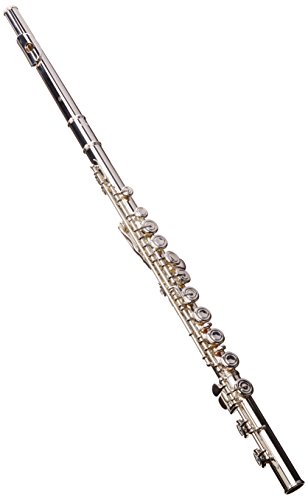
Flute math
Break-even months, why pads dominate flute repair economics, and the curved-headjoint case.
Top pick: Yamaha YFL-222 Student Flute
#ad · price as of October 27, 2026 · how this is funded

Saxophone math
Why the higher sax rental rate shortens break-even, and the reed cost neither option covers.
Top pick: Yamaha YAS-26 Alto Saxophone
#ad · price as of October 27, 2026 · how this is funded

Violin math
Why fractional sizing overturns the usual arithmetic, and when buying finally makes sense.
Top pick: Cremona SV-175 Premier Student Outfit
#ad · price as of October 27, 2026 · how this is funded
What rent-to-own credits, what it excludes, and the five questions to ask before signing.

Cello math
Break-even months at a published rental rate, and why sizing makes cello the clearest rent-first case.
Top pick: Cecilio 4/4 Full Size Cello Set
#ad · price as of October 27, 2026 · how this is funded
For a first year, renting is usually cheaper in practice, because the rental fee includes repairs and a first-year instrument gets damaged. Past roughly 18 to 24 months of rent, buying is almost always cheaper, which is why most rental programs offer a rent-to-own option that credits your payments.
A rental agreement where part or all of what you have already paid is credited against the purchase price if you decide to buy. It typically costs a little more per month than a straight rental, and it converts the break-even question into 'is this student still playing?' rather than 'have I overpaid?'
Most include a maintenance or damage waiver covering normal wear and accidental damage, though almost none cover loss or theft. Read what the waiver excludes before assuming it covers everything: mouthpieces, reeds and strings are consumables and are essentially never covered.