Sizing decides more here than anywhere else on the site, and the charts most people find are pictures a search engine cannot read. Ours are text.
Orchestral strings are the one family where buying the wrong size is not an inconvenience but a genuine barrier. A violin that is too large forces a child’s left arm into a position where they cannot reach the fingerboard without bending their wrist, and from that position nothing sounds right no matter how much they practice. This is why every page in this section starts with measurement.
Why our sizing charts are tables and not pictures
When we surveyed the pages currently ranking for violin sizing questions, the most prominent result served its entire size chart as a JPEG image. The data in that chart is genuinely useful and completely invisible to a search engine, a screen reader, or an AI assistant answering “what size violin does a nine-year-old need?”
So ours are real HTML tables. You can select the text, a screen reader can announce it, and an assistant can quote it. That is not a technical flourish; it is the single clearest gap we found in this category, and it costs nothing to close.
Measure the arm, not the birthday
The standard method is the same for violin and viola: the student stands with their left arm extended straight out to the side, palm up, and you measure from the base of the neck to the middle of the palm. That measurement maps to a size. Age charts exist because they are convenient, and they are wrong often enough that every teacher measures anyway.
Viola sizing works differently and confuses people constantly: violas are measured in inches of body length rather than in fractions. A “15-inch viola” is not the same kind of measurement as a “3/4 violin”. The viola sizing page sets out the equivalence.
The accessories are not optional extras
Three items decide whether a student violin sounds like a violin, and all three cost a fraction of the instrument.
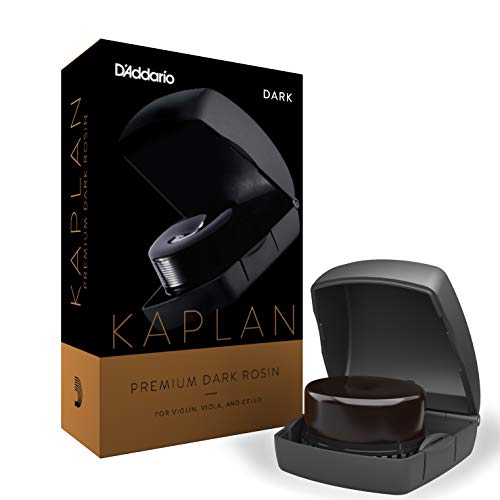
- Rosin. A bow with no rosin on it produces almost no sound at all. This surprises a startling number of first-time buyers, and it is the most common “my new violin is broken” support question in existence. See the rosin guide and how to rosin a bow.
- A shoulder rest that fits. Without one, most players clamp the instrument with their jaw and shoulder, which produces tension that shows up in everything they play.
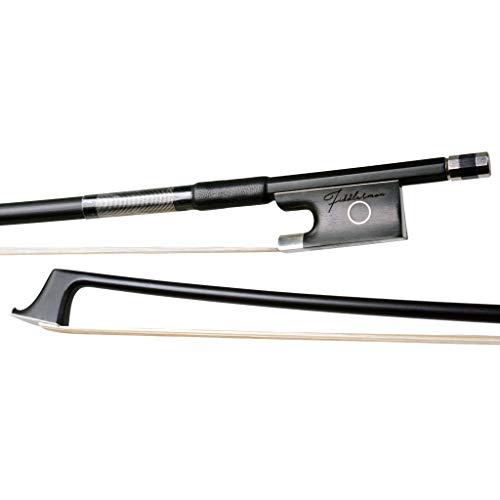
- A bow that is not warped. The bow in a budget outfit is usually the weakest component, and replacing it is the single biggest improvement available for the money.
Before you buy a fractional-size instrument
A child on a 1/4 violin will likely pass through 1/2 and 3/4 before reaching full size. Each of those is a purchase, and fractional instruments resell poorly. This is the strongest single argument for renting an orchestral string instrument, and it is why the violin rent-vs-buy page reaches a different conclusion from the trumpet one. A trumpet is a trumpet forever; a violin is four instruments.
Cello deserves its own warning
Cellos are large, expensive to ship, easy to damage in transit, and need a bridge fitted before they can be played. They also come in the same fractional sizes as violins. The combination makes cello the instrument where a local shop and a rental agreement are most clearly worth the premium, and where buying the cheapest option online is most likely to end in a repair bill.
Where to start reading
If a school form is what brought you here, start with choosing an instrument for school orchestra, which covers all four instruments including double bass, and the question of which sections a program is short of. Violin versus viola versus cello compares the three most students actually choose between.
Once the instrument is settled, three pages carry the first year: what a student outfit includes and leaves out, the method books a school string program is most likely to assign, and — if the student stays with it — when a step-up instrument is genuinely worth the money.