Cello bow and rosin for beginners
Two parts of a budget cello outfit do more damage to a beginner's sound than the instrument itself: the rosin, which is often the wrong grade, and the bow, which is often warped before it arrives.
By Stephen V. · Writes Reed & Rosin · last verified
The short answer
Buy cello-specific rosin first. Hidersine 6C is a dark, cello-grade cake, and a hard violin cake on a cello bow is a common reason a beginner's cello sounds thin. The bow comes second: if the outfit bow has warped, the Fiddlerman carbon fiber cello bow is the replacement that will not warp again.
Some links on this page earn us a commission at no extra cost to you. It does not change which instrument we recommend, and it does not change the order. We also earn nothing when the honest answer is “rent it” — and we still say so. Full disclosure.
Quick picks
| # | Product | Best for | Score | Price |
|---|---|---|---|---|
| 1 |  Hidersine 6C Deluxe Cello Rosin, Dark, 30 g Rosin formulated for cello rather than a violin cake used on a cello. Cello strings are thicker and move slower, so they want a softer, grippier rosin — a hard violin cake on a cello bow is a common reason a beginner's cello sounds thin. | Cello specifically, not a shared cake | 9.1/10 | $14.95View on Amazon #ad · price as of October 11, 2026 · how this is funded |
| 2 | 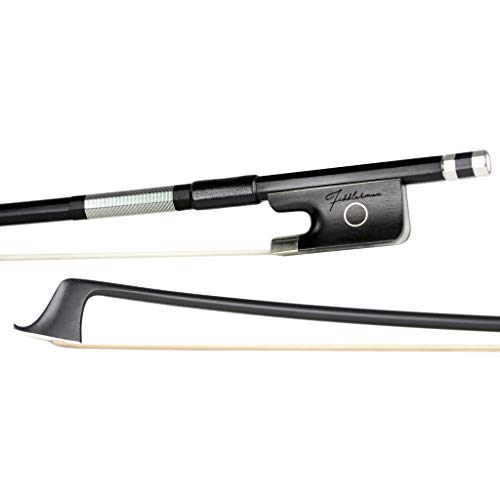 Fiddlerman Carbon Fiber Cello Bow, 4/4 The cello version of the carbon bow we already recommend for violin. Fiddlerman is a violin-shop brand rather than a drop-shipper, which in practice means the bows are set up and haired before they ship. | A student who will keep playing | 9.0/10 | $77.79View on Amazon #ad · price as of October 11, 2026 · how this is funded |
| 3 |  VINGOBOW 4/4 Carbon Fiber Cello Bow, Black Horsehair A carbon-fiber stick with real horsehair at the cheapest point we would take it seriously. Carbon fiber matters on a student bow for one unglamorous reason: it does not warp in a cold car or a hot attic the way a cheap wooden bow does. | Replacing the bow that came in the outfit | 8.5/10 | $59.95View on Amazon #ad · price as of October 11, 2026 · how this is funded |
| 4 | 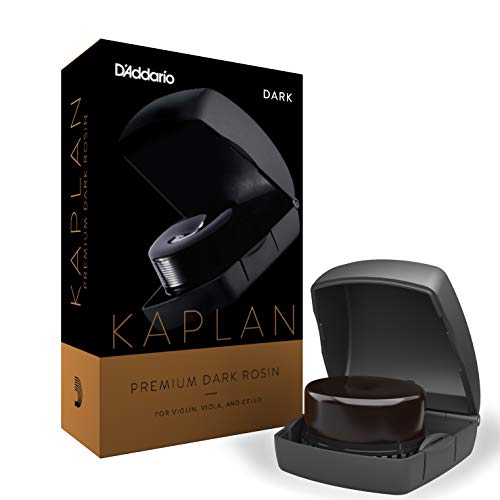 D'Addario Kaplan Premium Rosin, Dark Dark rosin is softer and grippier than light, which suits a beginner still learning bow pressure. The case is the underrated part: rosin that lives in a case survives a school bag. | Beginners still finding bow grip | 9.1/10 | $12.99View on Amazon #ad · price as of October 11, 2026 · how this is funded |
Scores are our own editorial fit rating from published specifications — the rubric is on our methodology page. They are not test results; we have not played these instruments.
Rosin first, because it is the cheapest thing that is wrong
Rosin is what makes a bow grip the string. Without it a bow slides silently across the string and produces almost nothing — which is the single most common panic in the first week of owning any bowed instrument, and the explanation is almost always that the new bow has never had rosin applied to it.
The less obvious problem is grade. Rosin is sold in different hardnesses and formulations, and the convention is that the larger and lower-pitched the instrument, the softer and grippier the rosin it wants: cello strings are thicker and move more slowly than violin strings, so they need more grip to get moving. A hard violin cake used on a cello bow is a common reason a beginner’s cello sounds thin and scratchy at the same time, and it is a problem that costs very little to fix.
| Rosin | Grade | For | Notes from the listing |
|---|---|---|---|
| Hidersine 6C Deluxe | Dark | Cello specifically | 30 g cake; maker states handmade in the UK to its historic recipe |
| D'Addario Kaplan Premium, Dark | Dark | Violin, viola and cello | Supplied in a protective case; low dust |
Transcribed from the product listings cited below, read 11 October 2026. Where a cake is sold for more than one instrument, the listing's own instrument list is given.
Either of these is a clear step up from the unbranded lump that ships in a budget outfit. The Hidersine 6C is the one to buy if the cello is the only bowed instrument in the house: it is a cello grade rather than a compromise. The Kaplan is the one to buy for a household with a violin and a cello, because it is sold for both and it comes in a case, and a cake in a case is a cake that survives a school bag.
A new bow needs rosin worked in from scratch
Applying rosin to brand-new bow hair takes considerably longer than topping up — think twenty or thirty passes rather than three, and a hard cake may need scoring with sandpaper first so that it gives up any powder at all. If a new bow makes no sound, that is the first thing to check. The method, including how much is too much, is on our page on rosining a bow — it is written for violin and the technique is identical on cello.
When the outfit bow is worth replacing
A cello bought as an outfit arrives with a bow, and on a budget outfit that bow is usually the weakest item in the box. The failure to look for is warping: hold the bow at the frog and look down the stick from the end, and it should not curve sideways. A sideways bend means the hair pulls unevenly across the string and no amount of practice will produce an even tone.
Warping is why carbon fiber matters on a student bow, and the reason is unglamorous. Wooden bows at the bottom of the market are cut from whatever is cheap, and they move with heat and humidity — a cold car boot, a hot attic, a radiator in a bedroom. Carbon fiber does not. That is the entire argument for it at this price: not tone, durability.
Replace the bow when one of three things is true: it has visibly warped, the hair has thinned to the point that rosin does not help, or the student has advanced far enough that their teacher is asking for control the bow cannot deliver. Otherwise leave it alone and spend the money on lessons.
The two bows, and the difference between them
Fiddlerman Carbon Fiber Cello Bow, 4/4 — the pick for a student who is going to keep playing. Fiddlerman is a violin-shop brand rather than a drop-shipper, which in practice means the bows are set up and haired before they ship, so units are consistent. It is the cello version of the carbon bow we already recommend on our violin bows page, which makes it tidy for a household with a player on each instrument.
VINGOBOW 4/4 Carbon Fiber Cello Bow — the cheapest carbon-fiber cello bow with real horsehair that we would take seriously, and about a third less than the Fiddlerman. It is a seller brand, so weight and balance can vary between units. For a student on a fractional instrument who will move up a size soon, that variance matters less than the price does.
Both are full size. If you are buying for a child, confirm the instrument size first on our cello size chart and order the matching bow size — a 4/4 bow on a 1/2 cello is unmanageable for a small player.
What not to buy yet
Three things get recommended to cello parents early and are rarely worth the money in year one. A premium rosin above the grades here: the difference is real and inaudible under a beginner. A second bow: one good bow beats two mediocre ones. And a bow rehair on a budget outfit bow, which frequently costs a large fraction of a new carbon bow and leaves you with a warped stick that now has new hair on it.
What is worth the money in year one is a shop setup on the instrument itself, lessons, and the consumables on this page. If you have not bought the cello yet, our beginner cello page has the instrument picks and our cello rent-versus-buy page has the break-even arithmetic on published rental rates — cello is the instrument where renting most often wins.
The picks, in full
Every card below is written from the published specification and the manufacturer’s own documentation. We have not played these instruments — see how we work for exactly what that means and what we do instead.
Our top pick · Cello specifically, not a shared cake
Hidersine 6C Deluxe Cello Rosin, Dark, 30 g
Rosin formulated for cello rather than a violin cake used on a cello. Cello strings are thicker and move slower, so they want a softer, grippier rosin — a hard violin cake on a cello bow is a common reason a beginner's cello sounds thin.
What works
- Dark, cello-specific formula: softer and grippier than a violin cake
- Published 30 g cake, which is a year or more of student use
- Hidersine states the rosin is handmade in the UK to its historic recipe
What to know
- Dark rosin goes tacky in a hot, humid room
- Costs several times what the cake bundled with an outfit does
- For
- Cello
- Type
- Dark
- Size
- 30 g cake
- Model
- 6C Deluxe
#ad · price as of October 11, 2026 · how this is funded
Specs read from the manufacturer or retailer listing on 2026-10-11. Our fit score: 9.1/10.
Pick 2 · A student who will keep playing
Fiddlerman Carbon Fiber Cello Bow, 4/4
The cello version of the carbon bow we already recommend for violin. Fiddlerman is a violin-shop brand rather than a drop-shipper, which in practice means the bows are set up and haired before they ship.
What works
- From a violin shop that sets up and hairs its bows, so units are consistent
- Carbon fiber: no warping, and considerably more durable than a student wooden bow
- The same bow family as our violin pick, so a two-player household buys one brand
What to know
- Around a third more than the VINGOBOW for a difference a beginner will not hear
- Still a student bow — it is not a step toward a professional pernambuco stick
- Size
- 4/4
- Stick
- Carbon fiber
- Hair
- Horsehair
#ad · price as of October 11, 2026 · how this is funded
Specs read from the manufacturer or retailer listing on 2026-10-11. Our fit score: 9.0/10.
Pick 3 · Replacing the bow that came in the outfit
VINGOBOW 4/4 Carbon Fiber Cello Bow, Black Horsehair
A carbon-fiber stick with real horsehair at the cheapest point we would take it seriously. Carbon fiber matters on a student bow for one unglamorous reason: it does not warp in a cold car or a hot attic the way a cheap wooden bow does.
What works
- Carbon fiber does not warp with humidity or heat, which is how budget wooden bows die
- Real horsehair rather than synthetic
- Cheapest route out of the bow that ships in a budget cello outfit
What to know
- Seller brand, so weight and balance can vary between units
- Needs rosin applied from scratch before it will produce any sound
- Size
- 4/4
- Stick
- Carbon fiber
- Hair
- Black horsehair
#ad · price as of October 11, 2026 · how this is funded
Specs read from the manufacturer or retailer listing on 2026-10-11. Our fit score: 8.5/10.
Pick 4 · Beginners still finding bow grip
D'Addario Kaplan Premium Rosin, Dark
Dark rosin is softer and grippier than light, which suits a beginner still learning bow pressure. The case is the underrated part: rosin that lives in a case survives a school bag.
What works
- Dark formulation grips more readily, so early tone comes easier
- Protective case prevents the cracked-rosin problem
- Low dust compared with the cake that ships in budget outfits
What to know
- Dark rosin can feel sticky in a hot, humid room
- Costs several times what a bundled cake does
- Type
- Dark
- For
- Violin, viola, cello
- Case
- Included
#ad · price as of October 11, 2026 · how this is funded
Specs read from the manufacturer or retailer listing on 2026-09-07. Our fit score: 9.1/10.
Questions people actually ask
Is cello rosin different from violin rosin?
Yes. Cello strings are thicker and move more slowly, so they want a softer, grippier rosin than a violin does. Cello-specific cakes such as the Hidersine 6C are formulated for that; a hard violin cake on a cello bow is a common cause of a thin, scratchy sound.
Why does my new cello bow make no sound?
Because it has no rosin on it. New bow hair needs rosin worked in from scratch - twenty or thirty passes rather than three - and a hard cake may need scoring with sandpaper first before it gives up any powder.
Is a carbon fiber cello bow better than a wooden one?
At student prices, yes, for one reason: it does not warp. Cheap wooden bows move with heat and humidity and a warped stick pulls the hair unevenly across the string, which no amount of practice fixes.
When should a beginner replace the bow that came with the cello?
When it has visibly warped, when the hair has thinned so far that rosin no longer helps, or when the teacher is asking for control the bow cannot deliver. Sight down the stick from the end - a sideways curve means replace it.
Sources
We have not played these instruments, so citation is our evidence. Everything above traces back to one of these, on the date shown.