Rent or buy a cello
Cello is the instrument where our commercial interest and your interest point hardest in opposite directions, and the arithmetic is not close.
By Stephen V. · Writes Reed & Rosin · last verified
The short answer
Rent, for almost any growing child. At the published standard rate of $36.99 a month, renting equals a $700 cello in 19 months — but a child will pass through two or three sizes first, and fractional cellos resell badly. Buy once the student is on a full size, or if they are an adult.
Some links on this page earn us a commission at no extra cost to you. It does not change which instrument we recommend, and it does not change the order. We also earn nothing when the honest answer is “rent it” — and we still say so. Full disclosure.
Quick picks
| # | Product | Best for | Score | Price |
|---|---|---|---|---|
| 1 |  Cecilio 4/4 Full Size Cello Set A full-size beginner cello outfit with the bow, bag and rosin included. Cellos are the one orchestral string where renting almost always wins on cost — read the math before buying this. | Buying rather than renting a first cello | 7.9/10 | $479.64View on Amazon #ad · price as of October 5, 2026 · how this is funded |
| 2 | 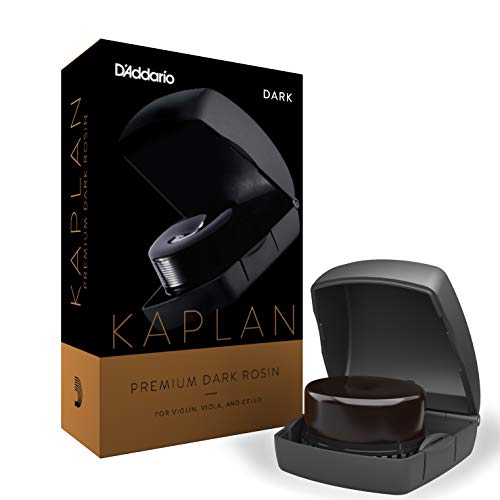 D'Addario Kaplan Premium Rosin, Dark Dark rosin is softer and grippier than light, which suits a beginner still learning bow pressure. The case is the underrated part: rosin that lives in a case survives a school bag. | Beginners still finding bow grip | 9.1/10 | $12.99View on Amazon #ad · price as of October 5, 2026 · how this is funded |
Scores are our own editorial fit rating from published specifications — the rubric is on our methodology page. They are not test results; we have not played these instruments.
We earn a commission when you buy a cello through this site and nothing at all when you rent one. This page recommends renting for most families, because that is what the arithmetic and the sizing sequence make true. Everything below is working, not assertion, so you can run it again with your own local rate.
The published rate
On the rental price chart we read, cello is the most expensive instrument listed: $36.99 a month on the standard tier and $49.99 on the deluxe tier, with an optional coverage plan adding $10.00 a month. For comparison, the same chart prices a violin at $18.99 standard — roughly half. Cello rental is expensive because cellos are expensive and large, and shipping damage on one is a real event rather than a theoretical one.
| If the cello costs | Renting equals it after | Which is roughly |
|---|---|---|
| $300 | 9 months | about 0.8 school years |
| $500 | 14 months | about 1.2 school years |
| $700 | 19 months | about 1.6 school years |
| $900 | 25 months | about 2.1 school years |
| $1200 | 33 months | about 2.8 school years |
| $1800 | 49 months | about 4.1 school years |
Rate is the published standard monthly cello rental price at Hickey’s Music Center, read on 5 October 2026 and listed in the Sources block below. Rental rates vary by region and by shop, so run your own local quote through the same arithmetic — the method does not change, only the input. Purchase prices here are reference points for reading the table, not quoted prices; the live price for the outfit we would buy is on its card below.
Taken alone, that table reads as an argument for buying: a year and a half of rent covers a mid-priced instrument. The reason it is the wrong conclusion is the same reason as on the violin page, only more so.
Why it is the wrong conclusion for a child
Because the table prices one cello, and a growing student needs two or three. A child starting cello around eight is typically on a 1/2, moves to a 3/4, and reaches full size somewhere in their teens — the published sizing bands are on our cello size chart. Each of those instruments has to be bought and then disposed of.
| Path | What you pay | What you are left with |
|---|---|---|
| Rent throughout | The monthly rate, continuously, with size exchanges handled inside the agreement | Nothing — and you never bought an instrument the student had outgrown |
| Buy each size, sell each on | Two or three purchases, minus whatever each fractional cello resells for | A full-size cello, plus the accumulated resale losses |
| Buy each size, keep them | Two or three purchases | A full-size cello and one or two large objects nobody in the house can play |
Fractional cellos resell poorly and for a specific reason: the buyer pool is small, local, needs to try the instrument in person, and is mostly served by the same rental programs a private seller would be competing with. A cello is also expensive and awkward to ship, which removes the national market a violin seller has.
There is a second term that is easy to miss, and on cello it is larger than on any other school instrument: storage. A 3/4 cello that has been outgrown is a very big object. Families who buy each size and keep them end up with a corner of a room committed to instruments nobody plays, and that cost never appears in a comparison table.
What the rental agreement is actually buying you
Three things, and only one of them is the instrument. A serviced cello with the bridge fitted and the strings seated, which matters more here than on any other string instrument. Size exchange, handled as part of the agreement rather than as a sale and a repurchase. And repair cover on an instrument that a child carries onto a school bus. Our rent-to-own explainer covers what the credit terms and the damage waivers typically do and do not include, because those vary far more than the headline rate does.
The exceptions where buying wins
- An adult beginner. No sizing risk at all. The break-even table above applies straightforwardly, and roughly a year and a half of rent covers a decent outfit outright. Buy.
- A student already on a full size. Same reasoning. The growing risk is over, so the ordinary arithmetic returns.
- No rental program within reach. Cello rental is not universal the way band-instrument rental is, and shipping a cello back and forth for size exchanges removes the convenience that makes renting worthwhile in the first place.
- A second instrument for a committed student. A cello that lives at a grandparent’s house, or a cheaper outfit that travels while the good one stays home. This is a real case and it is not a first purchase.
If you are buying, what to check on arrival
Cello is the instrument most likely to need work before it plays at all. A new outfit frequently arrives with the bridge unfitted — lying in the case rather than standing under the strings — and fitting a bridge is a job for a shop rather than for a parent with a YouTube video, because bridge position sets the string length and therefore every note on the instrument. Budget for a setup, and ask the price before the instrument arrives.
Then check for shipping damage immediately and in daylight: open seams along the edge of the body, cracks around the endpin block, a warped bridge, and the bow, which is the component most likely to arrive bent. Our beginner cello page covers the outfit itself, and buying a used instrument applies the same checks to a second-hand one — including the route that beats every import for build quality, which is a program selling off its own serviced ex-rental stock.
The picks, in full
Every card below is written from the published specification and the manufacturer’s own documentation. We have not played these instruments — see how we work for exactly what that means and what we do instead.
Our top pick · Buying rather than renting a first cello
Cecilio 4/4 Full Size Cello Set
A full-size beginner cello outfit with the bow, bag and rosin included. Cellos are the one orchestral string where renting almost always wins on cost — read the math before buying this.
What works
- Complete outfit — a cello bought without a soft case is a cello that gets damaged
- Full 4/4 size suits players roughly 15 and up
What to know
- Shipping damage risk is real on an instrument this large
- Setup and bridge fitting are essentially mandatory before playing
- Size
- 4/4 (full)
- Outfit
- Bow, soft case, rosin, bridge (per listing)
- Endpin
- Not published
#ad · price as of October 5, 2026 · how this is funded
Specs read from the manufacturer or retailer listing on 2026-09-07. Our fit score: 7.9/10.
Pick 2 · Beginners still finding bow grip
D'Addario Kaplan Premium Rosin, Dark
Dark rosin is softer and grippier than light, which suits a beginner still learning bow pressure. The case is the underrated part: rosin that lives in a case survives a school bag.
What works
- Dark formulation grips more readily, so early tone comes easier
- Protective case prevents the cracked-rosin problem
- Low dust compared with the cake that ships in budget outfits
What to know
- Dark rosin can feel sticky in a hot, humid room
- Costs several times what a bundled cake does
- Type
- Dark
- For
- Violin, viola, cello
- Case
- Included
#ad · price as of October 5, 2026 · how this is funded
Specs read from the manufacturer or retailer listing on 2026-09-07. Our fit score: 9.1/10.
Questions people actually ask
Is it better to rent or buy a cello?
Rent, for almost any growing child. A student passes through two or three sizes before reaching full size, fractional cellos resell badly, and rental agreements handle the size exchange. Buy once the student is on a full size, or if the player is an adult.
How much does it cost to rent a cello?
On the published chart we read, $36.99 a month on the standard tier and $49.99 on the deluxe tier, with optional coverage adding $10.00 a month. Cello was the most expensive instrument on that chart — roughly double the violin rate. Local rates vary.
How long does it take for renting a cello to cost more than buying?
At $36.99 a month, renting equals a $500 cello in about 14 months, a $700 cello in 19 months and a $1,200 cello in 33 months. The arithmetic only favours buying if the student will still fit the instrument at the end of that period.
Should an adult beginner rent or buy a cello?
Buy. There is no sizing risk for an adult, so the straightforward break-even applies: roughly a year and a half of rent at the published rate covers a decent outfit outright, and the instrument stays the right instrument indefinitely.
Why is cello rental more expensive than violin rental?
Because cellos cost more, are much larger to store and ship, and damage to one is a real event rather than a theoretical one. The chart we read priced cello at $36.99 a month standard against $18.99 for violin.
Does a new cello need setting up before it can be played?
Usually, yes. New outfits frequently arrive with the bridge unfitted, and bridge position sets the string length and therefore the pitch of every note. It is a job for a shop rather than a home repair, and it should be budgeted before the instrument arrives.
Sources
We have not played these instruments, so citation is our evidence. Everything above traces back to one of these, on the date shown.
- Hickey's Music Center — published rental price chart, cello rows: $36.99/month standard, $49.99/month deluxe, $10.00/month optional Peace of Mind coverage — read 2026-10-05
- Hidersine — “What size cello do I need?”: cello size by age, by player height and by back-length measurement, plus the seated fitting check — read 2026-10-05
- Amazon product listings for every pick on this page, read via the Amazon Creators API — read 2026-09-07