
Best beginner ukulele
The best beginner ukuleles
Geared tuners, size choice, and why new strings are the cheapest upgrade you can make.
Top pick: Kala KA-15S Soprano Bundle
$99.99View on Amazon
#ad · price as of October 27, 2026 · how this is funded
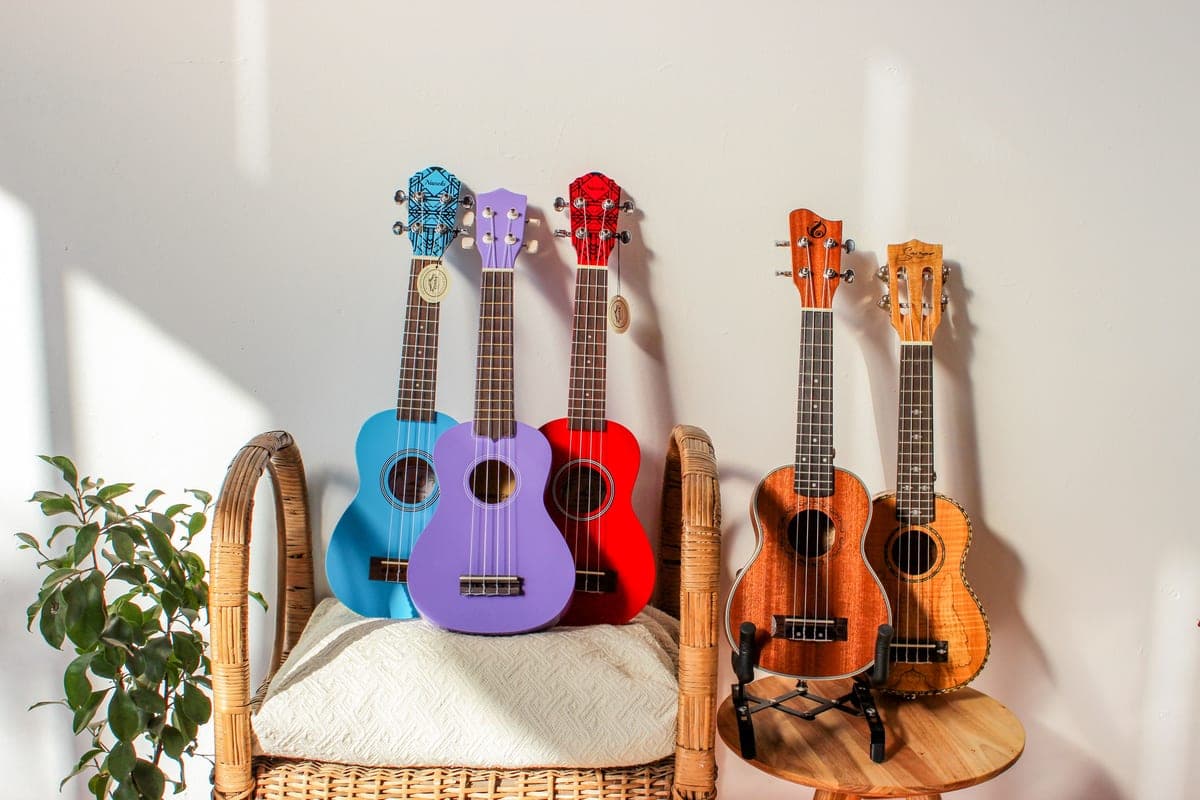
The fastest instrument on this site to get a real song out of, and the one most often bought in the wrong size for the player's hands.
The ukulele earns its reputation honestly. Four strings instead of six, nylon instead of steel, and a C-major chord that needs exactly one finger. A complete beginner can play a recognisable song within an hour, which is a genuinely different experience from the first hour on a guitar. That early success is not a gimmick — it is the single strongest predictor of whether someone keeps going.
Ukuleles come in four common sizes, and the difference between them is scale length: how far apart the frets are. A soprano is the classic small ukulele and the one most people picture. A concert is a couple of inches longer. A tenor is longer still. A baritone is a different instrument in a different tuning and is not where a beginner should start.
The common mistake is buying a soprano for an adult because a soprano is what a ukulele looks like. An adult with average or larger hands will crowd the frets on a soprano and conclude they are clumsy. They are not; the instrument is too small. Our ukulele sizing page has the scale lengths side by side.
Almost every ukulele under a certain price ships with strings that undersell it. Swapping them for a decent set costs very little and produces a bigger improvement than moving up a whole price bracket on the instrument. If you buy one accessory for a budget ukulele, buy strings, and expect to spend the first few days retuning while they stretch.
A ukulele in standard tuning is pitched like the top four strings of a guitar with a capo at the fifth fret. In practice that means chord shapes transfer directly: a ukulele G shape is a guitar D shape. A child who learns ukulele chords first is not doing something separate from guitar — they are building the exact hand shapes they will use later, on an instrument that fits them now. That is a genuinely good reason to start here and not a consolation prize.
One thing worth checking before you buy
Look for geared tuners rather than friction pegs. Friction pegs are the small round pegs that stick straight out of the back of the headstock; geared tuners have a visible gear mechanism at right angles. Friction pegs slip, and a ukulele that will not hold pitch is a ukulele nobody wants to play. Almost every mistaken “this ukulele is bad” verdict traces back to this one part.
If you already know the size, go to the picks. If you do not, the sizing guide is a five-minute read and it prevents the most common expensive mistake in this section. The method book page matters more here than elsewhere, because most ukulele players are self-taught and a good book is the only structure they get.
If the ukulele is being weighed against a guitar rather than chosen outright, ukulele versus guitar for beginners covers how much of the chord vocabulary transfers and where it stops.
Best beginner ukulele
Geared tuners, size choice, and why new strings are the cheapest upgrade you can make.
Top pick: Kala KA-15S Soprano Bundle
#ad · price as of October 27, 2026 · how this is funded
Ukulele sizing
Scale lengths, tunings and who each size suits — plus the adult-hands mistake.
Top pick: Kala KA-15S Soprano Bundle
#ad · price as of October 27, 2026 · how this is funded
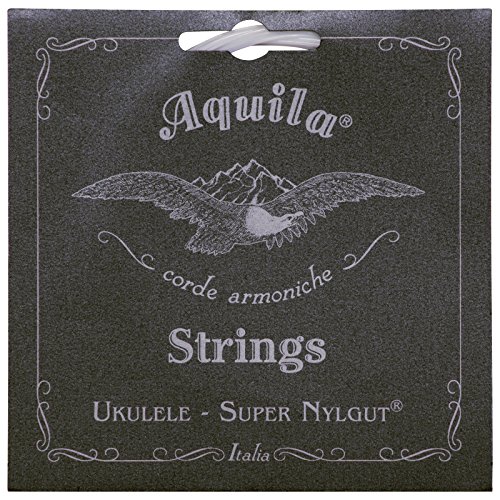
Ukulele strings
The cheapest big upgrade to a budget ukulele, what Nylgut is, and the stretching-in period.
Top pick: Aquila Super Nylgut AQ-100 Soprano
#ad · price as of October 27, 2026 · how this is funded

Ukulele method books
Which book first, when to buy the second, and why chord charts alone stall a player.
Top pick: Hal Leonard Ukulele Method Book 1
Ukulele vs guitar
How the two compare, what transfers between them, and when ukulele is the destination rather than a stop.
Top pick: Kala KA-15S Soprano Bundle
#ad · price as of October 27, 2026 · how this is funded

Ukulele starter kit
What ukulele bundles include and leave out, and the four accessories that actually decide whether it gets played.
Top pick: Snark SN5X Clip-On Chromatic Tuner
#ad · price as of October 27, 2026 · how this is funded
A child under about ten fits a soprano comfortably. Most teenagers and adults are better served by a concert, which adds roughly two inches of scale length and noticeably more space between the frets. Tenor suits adults with large hands or players who intend to fingerpick.
Physically, yes, and by a clear margin: four soft nylon strings under low tension, and several common chords that need only one or two fingers. Musically the two are the same skill, and ukulele chord shapes map directly onto guitar shapes, so nothing learned is wasted.
On an inexpensive one, almost certainly. Factory strings on budget ukuleles are usually the cheapest component in the instrument, and a decent replacement set costs a fraction of the ukulele while producing a bigger improvement than spending more on the instrument itself.