The instrument is the expensive part. These are the cheap parts that decide whether it gets played.
Almost every “my child stopped practicing” story has a logistical cause hiding underneath it. The instrument was in a case under a bed. The music stand was borrowed by a sibling. The tuner needed a battery nobody had. None of these are motivation problems, and all of them are cheap to fix.
The four things every player needs
A tuner. An out-of-tune instrument teaches a beginner the wrong pitches, and a beginner cannot hear that it is happening. A clip-on tuner that reads vibration through the instrument works in a noisy band room where a microphone tuner does not, which is why it is the type we recommend for students. See tuners.
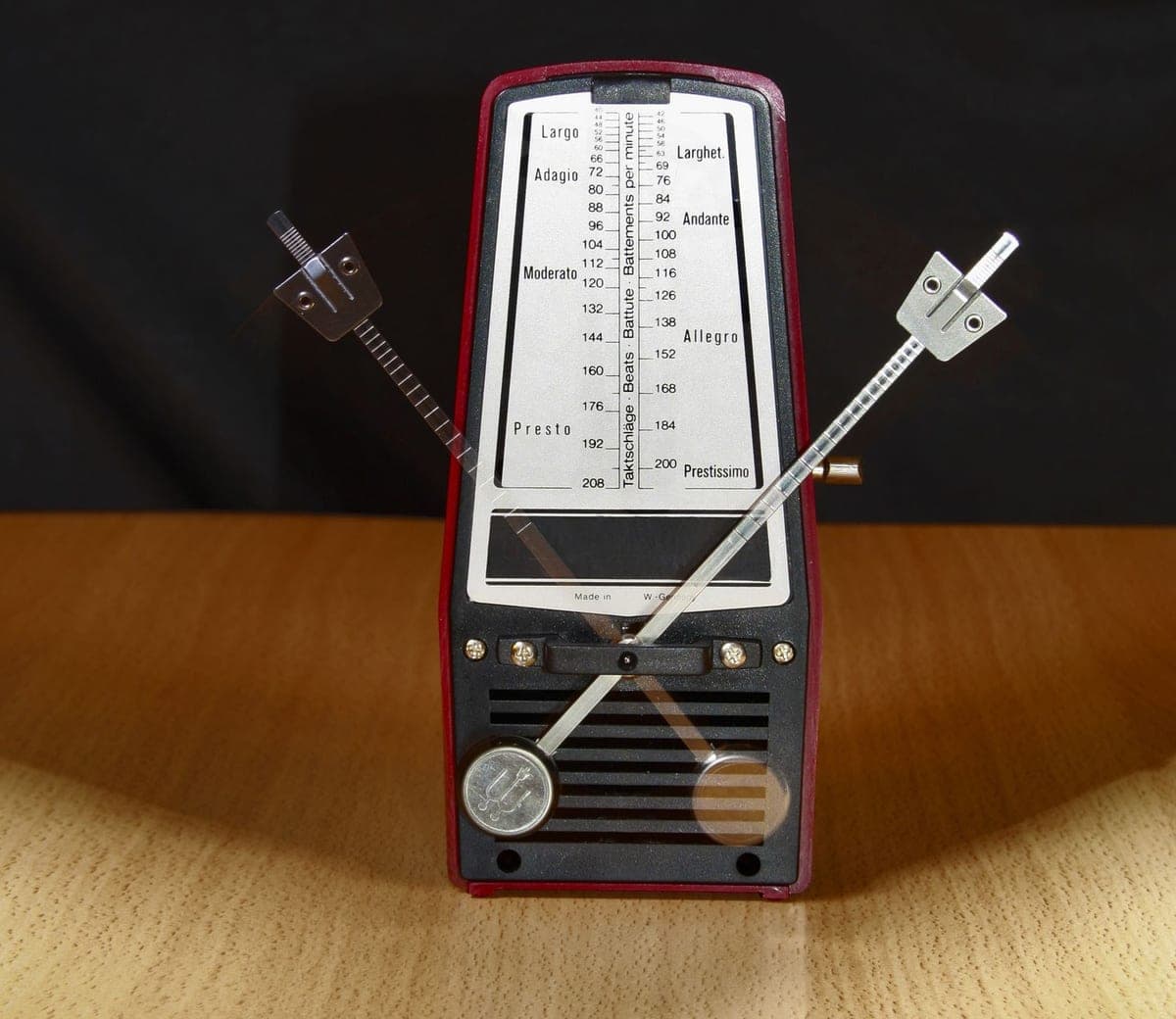
A metronome. The metronome is the least popular and most valuable object in music education. It is also the one most commonly used incorrectly — set far too fast, on a passage the student cannot yet play, which teaches panic rather than time. We wrote a page about using one properly because the picks matter less than the method.
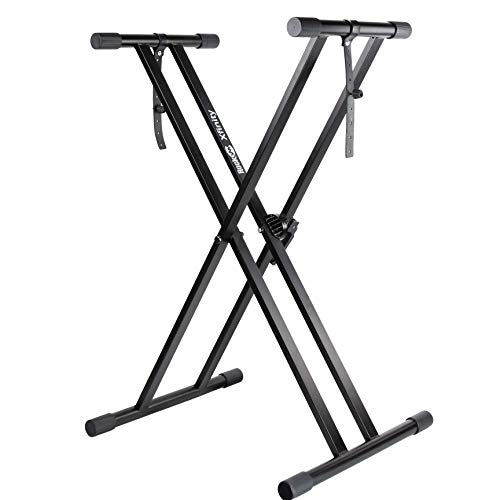
A music stand. A book propped on a chair means the student looks down, which closes the throat for wind players and rounds the back for everyone. A stand at eye height is a posture intervention disguised as a five-dollar accessory.
A case that survives real life. Instruments are damaged in transit far more often than they are damaged being played. The soft bag included with a budget instrument protects against dust and very little else.
The one that decides whether practice happens
A stand for the instrument itself — a guitar stand, a violin stand — is the accessory with the best return on money spent, for a reason that has nothing to do with the equipment. An instrument on a stand is picked up during an idle five minutes. An instrument zipped into a case under a bed is not. Ten opportunistic minutes a day beats a scheduled hour that keeps getting postponed, and the stand is what makes those ten minutes possible.
The trade-off is honest: an instrument on a stand is exposed to knocks, pets, sunlight and radiators. In a household with a toddler or a large dog, the case wins. Everywhere else, the stand does.
Practicing in a shared space
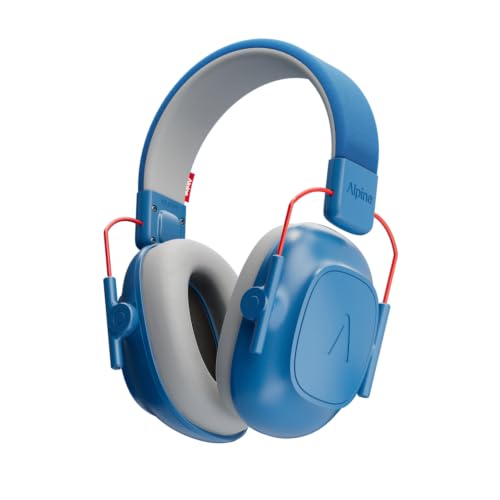
Apartment practice is a solvable problem and the solutions differ sharply by instrument. Digital pianos have headphone sockets and are genuinely silent. Electric guitars practiced through a headphone amp are silent too. Drums need mesh heads and a riser, and even then the kick pedal transmits through a floor. Brass needs a practice mute. Acoustic pianos, violins and flutes have no silent mode at all, and the answer there is negotiating hours rather than buying equipment. Our practice space page works through it instrument by instrument.
What we would buy first, in order
Tuner, then stand for the music, then stand for the instrument, then metronome, then a better case. If the budget only stretches to two, buy the tuner and the instrument stand: one prevents the student learning wrong pitches, and the other is what makes the practice happen at all.
One item on a string outfit is worth singling out, because it is cheap and it is the one most often wrong. A shoulder rest that does not fit produces the raised shoulder and locked left hand a teacher then spends months correcting, and shoulder rests for beginners carries the fit check and the sizing table.