Hearing protection for young musicians
The child sitting directly in front of the trumpet section is the one nobody thinks about, and the cheapest piece of music equipment in this whole site is the one that protects them.
By Stephen V. · Writes Reed & Rosin · last verified
The short answer
For a child under about 12, Alpine Muffy Kids earmuffs fit a smaller head properly, which is what makes them work. For a band student, filtered earplugs — Hearprotek for a first pair, Vibes if they refuse anything visible — lower the volume while leaving the music recognisable.
Some links on this page earn us a commission at no extra cost to you. It does not change which instrument we recommend, and it does not change the order. We also earn nothing when the honest answer is “rent it” — and we still say so. Full disclosure.
Quick picks
| # | Product | Best for | Score | Price |
|---|---|---|---|---|
| 1 | 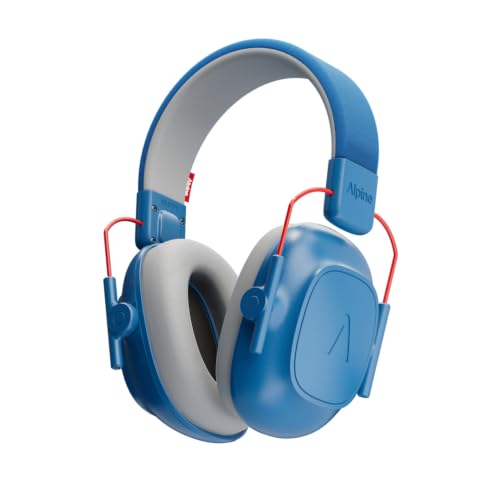 Alpine Muffy Kids Ear Muffs, 22 dB Reduction Earmuffs sized for a 3 to 16 year old head, which matters because adult muffs leak at the jaw on a child and then protect far less than the number on the box. | Children under about 12 at a loud rehearsal or concert | 9.0/10 | $29.95View on Amazon #ad · price as of October 27, 2026 · how this is funded |
| 2 |  Hearprotek Concert Ear Plugs, 2 Pairs, Reusable High-Fidelity The cheapest way into filtered plugs, which lower the volume while leaving the music recognisable — the opposite of foam plugs, which eat the top end and make an ensemble sound like mud. | A first set of filtered plugs for a band student | 8.3/10 | |
| 3 |  Vibes High Fidelity Concert Ear Plugs, Reusable Nearly invisible in the ear, which is the only specification that matters for a self-conscious high-schooler: the plugs that get worn are the ones nobody can see from the audience. | Teenagers who will not wear anything visible | 9.0/10 | $36.95View on Amazon #ad · price as of October 27, 2026 · how this is funded |
| 4 |  ProCase Hearing Protection Ear Muffs, SNR 33 dB / NRR 28 dB The most reduction per dollar here, and the right answer for a drummer practicing alone or a parent in the room. It flattens the music as well as the volume, which is the trade-off for the number. | Drum practice and the parent sitting through it | 8.5/10 |
Scores are our own editorial fit rating from published specifications — the rubric is on our methodology page. They are not test results; we have not played these instruments.
Buying this as a gift? Our gift guides re-explain these picks for the gifter. Wondering whether to wait for November? The Black Friday hub has the sourced record of what discounted last year and what did not.
Who actually needs this
Four groups, and they need different things. A drummer practicing alone in a small room is the obvious one. The less obvious one is the flute or clarinet player seated directly in front of the brass in a concert band, who has no control at all over what arrives at their ears. Then there is the parent or sibling in the next room, who is in the situation for years. And finally the student in a marching or pep band, where the sound source is a drumline a few feet away.
We are not a medical authority and will not pretend to be one. We hold no measurements of any band room, and no number on this page is ours — the reduction figures quoted are the ones printed on the listings, and nothing else. If there is a specific worry about a specific student’s hearing, that is a conversation for an audiologist and for the band director, who knows how loud their own room gets. See how we work.
Filtered plugs, not foam
This is the one piece of genuinely useful technical knowledge on the page. Cheap foam earplugs do not reduce all frequencies equally: they take far more off the high end than the low end. For sleeping on a plane that is fine. For a musician it is actively bad, because the high frequencies are where the pitch cues, the articulation and the conductor’s cues live. A student in foam plugs hears a muddy rumble, cannot hear themselves properly, and either plays too loudly to compensate or takes the plugs out.
Filtered — sometimes sold as high-fidelity — earplugs use a tuned filter to lower the level more evenly, so the music still sounds like music, quieter. They cost more than foam and less than almost anything else a band student owns. For anyone who will keep them in for a full rehearsal, they are the only sensible choice.
| Option | Type | Published reduction | Fits | Best for |
|---|---|---|---|---|
| Alpine Muffy Kids | Over-ear muffs | 22 dB | Ages 3 to 16 | Children at loud concerts and rehearsals |
| Hearprotek concert plugs | Filtered earplugs, 2 pairs | Per listing; curve not published | Teens and adults | A first pair for a band student |
| Vibes high fidelity | Filtered earplugs, low visibility | Per listing; curve not published | Multiple tip sizes | Teenagers who refuse visible protection |
| ProCase muffs | Over-ear muffs | NRR 28 dB / SNR 33 dB | Adults and children | Drum practice, and the parent in the room |
Note what the table does not claim. None of the filtered-plug listings publishes a full attenuation curve, so we cannot tell you how flat their filters are, and we have not measured them. What we can say is which are filtered rather than blocking, which is the distinction that actually matters when choosing.
Fit is the whole specification
A hearing protector that does not seal provides a fraction of its rated reduction, and the rating on the box assumes a proper seal. This is why adult earmuffs on a small child are close to useless: the cups sit on the jaw rather than around the ear and the seal breaks at the hinge of the jaw whenever the child speaks or plays. Muffs sized and rated for ages 3 to 16, like the Alpine Muffy, are not a marketing variation — the cup size and headband tension are the product.
For plugs, the same rule applies to tip size. Plugs supplied with several tip sizes can be made to seal in a narrow ear canal; plugs with one tip size either fit or do not. And the practical rule that beats both: protection that is visible will not be worn by a self-conscious fifteen-year-old. That is the entire argument for low-visibility plugs over better-rated muffs at that age.
Different jobs, different products
Do not buy one product for every situation. A drummer practicing alone wants maximum reduction and does not need to hear a section, so high-rated muffs are correct. The same drummer in a concert band needs to hear the ensemble and should be in filtered plugs. A parent supervising practice wants muffs. A clarinet player in front of the trumpets wants filtered plugs they can wear for an hour.
And one thing hearing protection cannot do: make a kit quieter in a shared house. If that is the underlying problem, the answers are on electronic drums for apartments and practice space basics. Protection is for the player’s ears, not the household’s peace.
The habits that matter more than the product
Four things cost nothing and do more than any purchase on this page. Distance is the first: moving a practice pad or a kit a few feet further from a wall, and a student a seat further from the brass or the drumline where a director allows it, changes what arrives at the ears without changing anything else. Breaks are the second — a long unbroken session is harder on ears than the same minutes split up, and a break also makes the practice better. Third, and the one most often missed in a house with a teenager: headphone volume. A student practicing a digital piano or an electronic kit through headphones controls their own level, and the honest guidance is to set it at the lowest volume at which the instrument is clear, then leave it alone.
Fourth, say out loud what the protection is for. Students put plugs in for one rehearsal, decide the music sounds strange, and never use them again — which is almost always a seal or a filter problem rather than a reason to stop. Filtered plugs do sound slightly different at first and the adjustment takes a few sessions. A student who knows that in advance keeps them in; a student who does not will quietly leave them in a case for the rest of the year.
The honest summary
Filtered plugs for playing in an ensemble. Rated muffs for solo drum practice and for the adult in the room. Child-sized muffs for a child — an adult set does not seal on a small head, and an unsealed protector is not protection.
The picks, in full
Every card below is written from the published specification and the manufacturer’s own documentation. We have not played these instruments — see how we work for exactly what that means and what we do instead.
Our top pick · Children under about 12 at a loud rehearsal or concert
Alpine Muffy Kids Ear Muffs, 22 dB Reduction
Earmuffs sized for a 3 to 16 year old head, which matters because adult muffs leak at the jaw on a child and then protect far less than the number on the box.
What works
- Sized and rated for ages 3 to 16 on the listing
- 22 dB reduction — enough for a school concert band without blanking out the music
- Headband adjusts, so it keeps sealing as the child grows
What to know
- Muffs are visible and a self-conscious older child will refuse them
- Too much reduction for the child's own playing — these are for sitting in loud rooms
- Type
- Over-ear muffs
- Reduction
- 22 dB (per listing)
- Ages
- 3 to 16
- Adjustment
- Adjustable headband
#ad · price as of October 27, 2026 · how this is funded
Specs read from the manufacturer or retailer listing on 2026-10-17. Our fit score: 9.0/10.
Pick 2 · A first set of filtered plugs for a band student
Hearprotek Concert Ear Plugs, 2 Pairs, Reusable High-Fidelity
The cheapest way into filtered plugs, which lower the volume while leaving the music recognisable — the opposite of foam plugs, which eat the top end and make an ensemble sound like mud.
What works
- Two pairs in the box, which is how many a teenager needs to still own one in March
- Filtered rather than foam, so cues and pitch stay audible
- Low enough cost that losing a pair is not a crisis
What to know
- One tip size range — a small ear canal may not get a seal
- Filter attenuation is given as a single figure, not a published response curve
- Type
- Reusable filtered earplugs
- Quantity
- 2 pairs
- Stated use
- Concerts, rehearsals, loud music
- Reduction
- Per listing; full response curve not published
Specs read from the manufacturer or retailer listing on 2026-10-17. Our fit score: 8.3/10.
Pick 3 · Teenagers who will not wear anything visible
Vibes High Fidelity Concert Ear Plugs, Reusable
Nearly invisible in the ear, which is the only specification that matters for a self-conscious high-schooler: the plugs that get worn are the ones nobody can see from the audience.
What works
- Sits inside the ear and is hard to see, so it actually gets used
- Multiple tip sizes in the box for a real seal
- Filtered for music rather than blocking, so section cues stay audible
What to know
- Several times the cost of basic filtered plugs, and just as easy to lose
- Small parts — not for a young child
- Type
- Reusable filtered earplugs
- Profile
- Low visibility in-ear
- Tips
- Multiple sizes included
- Stated use
- Concerts, musicians, live events
#ad · price as of October 27, 2026 · how this is funded
Specs read from the manufacturer or retailer listing on 2026-10-17. Our fit score: 9.0/10.
Pick 4 · Drum practice and the parent sitting through it
ProCase Hearing Protection Ear Muffs, SNR 33 dB / NRR 28 dB
The most reduction per dollar here, and the right answer for a drummer practicing alone or a parent in the room. It flattens the music as well as the volume, which is the trade-off for the number.
What works
- NRR 28 dB / SNR 33 dB published on the listing — the highest figures in this group
- Costs about as much as a single drumstick pair
- Folds, and fits adults as well as older children
What to know
- Industrial-style muffs dull the high end, so detail in the music goes with the volume
- Not what a student wants in an ensemble where they need to hear the section
- Type
- Over-ear muffs
- Reduction
- NRR 28 dB, SNR 33 dB (per listing)
- Fit
- Adults and children, adjustable
- Folding
- Yes
Specs read from the manufacturer or retailer listing on 2026-10-17. Our fit score: 8.5/10.
Questions people actually ask
Do foam earplugs work for musicians?
Poorly. Foam takes far more off the high frequencies than the low ones, so the pitch cues and articulation disappear before the volume does. A student in foam plugs usually ends up playing louder to compensate, or takes them out.
What are filtered or high-fidelity earplugs?
Earplugs with a tuned filter that lowers the level more evenly across frequencies, so the music still sounds like music at a lower volume. They cost more than foam and are the only type most students will keep in for a full rehearsal.
Can a child wear adult ear muffs?
Not effectively. Adult cups sit on a child's jaw instead of sealing around the ear, and an unsealed protector delivers a fraction of its rated reduction. Muffs sized for ages 3 to 16 exist because the cup size and headband tension are the product.
Should a drummer wear earmuffs or earplugs?
Both, for different situations. High-rated muffs for practicing alone, where hearing the ensemble does not matter. Filtered plugs in a band or ensemble, where the player needs to hear the section and the conductor.
Sources
We have not played these instruments, so citation is our evidence. Everything above traces back to one of these, on the date shown.