Violin bows for beginners
The cheapest large upgrade available to a student violin, and the component almost every outfit economizes on.
By Stephen V. · Writes Reed & Rosin · last verified
The short answer
A carbon fiber bow is the best upgrade to a student violin outfit. Cheap wooden bows warp with humidity, developing a sideways bend that makes an even stroke impossible. Carbon fiber does not warp, is consistent unit to unit, and survives student handling.
Some links on this page earn us a commission at no extra cost to you. It does not change which instrument we recommend, and it does not change the order. We also earn nothing when the honest answer is “rent it” — and we still say so. Full disclosure.
Quick picks
| # | Product | Best for | Score | Price |
|---|---|---|---|---|
| 1 | 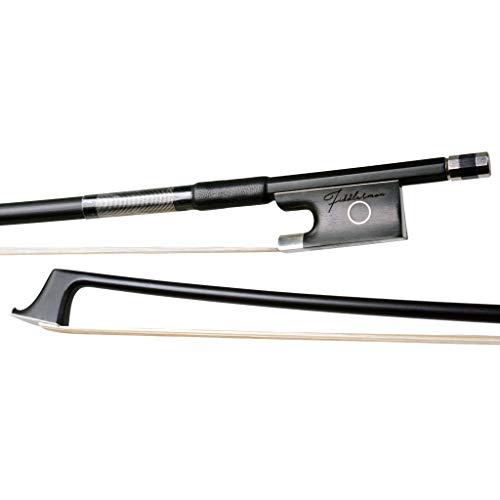 Fiddlerman Carbon Fiber Violin Bow 4/4 Carbon fiber is straighter, stronger and far more humidity-stable than a cheap wooden bow, and it does not warp when a student leaves the case in a car. The best single upgrade to a budget outfit. | Replacing the bow that came in the box | 9.0/10 | $68.79View on Amazon #ad · price as of October 27, 2026 · how this is funded |
| 2 | 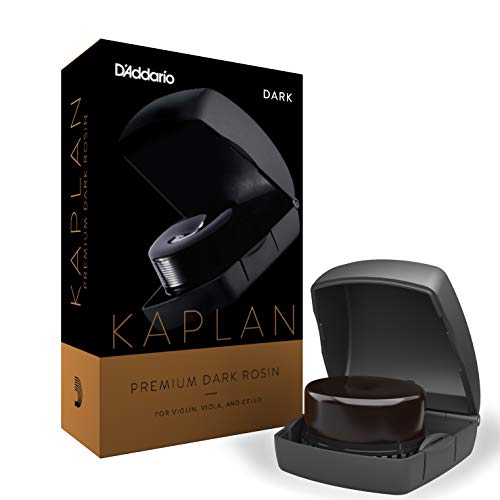 D'Addario Kaplan Premium Rosin, Dark Dark rosin is softer and grippier than light, which suits a beginner still learning bow pressure. The case is the underrated part: rosin that lives in a case survives a school bag. | Beginners still finding bow grip | 9.1/10 | $12.99View on Amazon #ad · price as of October 27, 2026 · how this is funded |
Scores are our own editorial fit rating from published specifications — the rubric is on our methodology page. They are not test results; we have not played these instruments.
Buying this as a gift? Our gift guides re-explain these picks for the gifter. Wondering whether to wait for November? The Black Friday hub has the sourced record of what discounted last year and what did not.
Why the bow matters as much as the violin
The violin makes no sound on its own. Every aspect of tone — volume, color, articulation, whether a note speaks cleanly or scratches — comes from what the bow does. A good violin with a bad bow sounds bad. A modest violin with a good bow sounds considerably better than it should.
Student outfits nonetheless economize here, because the bow is the component a buyer is least likely to evaluate.
What goes wrong with cheap wooden bows
Warping. The main problem. Wood responds to humidity, and an inexpensive bow left tightened in a case, or stored somewhere damp, develops a permanent sideways bend. A warped bow does not track straight across the string, so the contact point drifts and the tone changes mid-stroke through no fault of the player.
Inconsistent weight and balance. Cheap bows vary between units. Two bows from the same batch can feel meaningfully different, which matters when a teacher is trying to diagnose a bowing problem.
Poor hair. Sparse or unevenly distributed hair grips the string unevenly, producing a thin or patchy sound regardless of technique.
| Cheap brazilwood | Carbon fiber | Good pernambuco | |
|---|---|---|---|
| Warping | Common within a year | Does not warp | Rare, but possible |
| Consistency | Varies unit to unit | Highly consistent | Varies — each is individual |
| Durability | Snaps if dropped or knocked | Very tough | Fragile and valuable |
| Tone | Even but characterless | Even, slightly clinical | The most color and response |
| Suits | Nothing we would choose | Every student, every level of beginner | Advancing players who can hear the difference |
Pernambuco is what professional bows are made from and is genuinely better in the hands of someone who can exploit it. For a beginner, carbon fiber gives most of the practical benefit for a fraction of the money and none of the fragility.
How to check whether a bow is warped
- 1
Tighten it to playing tension
Turn the screw at the frog until there is roughly a pencil's width between the hair and the middle of the stick. Not tighter — an over-tightened bow is a separate problem and damages the stick.
- 2
Sight along the stick from the frog
Hold the bow up with the frog closest to your eye and look along the stick toward the tip, as if sighting along a rifle.
- 3
Look for sideways deviation
The stick should run straight down the center of the hair. If it curves left or right, the bow is warped. A slight downward curve toward the hair is normal and correct — that is the camber.
- 4
Check the hair is even
The ribbon of hair should be a flat, even band across its whole width, not bunched to one side or visibly thin. Missing hairs are normal; large gaps are not.
Two habits that ruin a bow
Leaving it tight in the case. Always loosen the bow after playing until the hair is slack. Stored under tension, the stick gradually loses its camber and eventually stops springing back. This is the single most common way students destroy a good bow.
Touching the hair. Skin oils stop the hair holding rosin, and the affected section stops gripping. Hold the bow by the frog and the stick only.
Rehairing
Bow hair wears out. It loses its grip over one to two years of regular playing, and hairs break steadily along the way. Rehairing replaces the entire ribbon and typically costs a modest amount at a string shop.
On a cheap outfit bow, rehairing frequently costs more than the bow is worth, which is the honest argument for buying a carbon fiber bow that is worth maintaining. On a decent bow, plan on a rehair roughly every year or two of steady playing.
The picks, in full
Every card below is written from the published specification and the manufacturer’s own documentation. We have not played these instruments — see how we work for exactly what that means and what we do instead.
Our top pick · Replacing the bow that came in the box
Fiddlerman Carbon Fiber Violin Bow 4/4
Carbon fiber is straighter, stronger and far more humidity-stable than a cheap wooden bow, and it does not warp when a student leaves the case in a car. The best single upgrade to a budget outfit.
What works
- Does not warp with humidity, which cheap brazilwood reliably does
- Consistent weight and balance unit to unit
- Survives student handling that would break a wooden stick
What to know
- Costs a meaningful fraction of a budget outfit
- Tone is even but less colorful than good wood at the same weight
- Size
- 4/4
- Stick
- Carbon fiber
- Hair
- Mongolian horsehair (per listing)
#ad · price as of October 27, 2026 · how this is funded
Specs read from the manufacturer or retailer listing on 2026-09-07. Our fit score: 9.0/10.
Pick 2 · Beginners still finding bow grip
D'Addario Kaplan Premium Rosin, Dark
Dark rosin is softer and grippier than light, which suits a beginner still learning bow pressure. The case is the underrated part: rosin that lives in a case survives a school bag.
What works
- Dark formulation grips more readily, so early tone comes easier
- Protective case prevents the cracked-rosin problem
- Low dust compared with the cake that ships in budget outfits
What to know
- Dark rosin can feel sticky in a hot, humid room
- Costs several times what a bundled cake does
- Type
- Dark
- For
- Violin, viola, cello
- Case
- Included
#ad · price as of October 27, 2026 · how this is funded
Specs read from the manufacturer or retailer listing on 2026-09-07. Our fit score: 9.1/10.
Questions people actually ask
What is the best beginner violin bow?
A carbon fiber bow. It does not warp with humidity, is consistent from unit to unit, and survives student handling that would break a cheap wooden stick. It is the single best upgrade available to a student violin outfit.
Is carbon fiber better than wood for a violin bow?
For a student, yes. Good pernambuco is genuinely better in the hands of a player who can exploit it, but at student prices the wooden alternative is brazilwood, which warps and varies. Carbon fiber gives most of the practical benefit and none of the fragility.
How do I know if my violin bow is warped?
Tighten it to playing tension, then sight along the stick from the frog toward the tip. It should run straight down the center of the hair. Sideways curvature means it is warped; a slight downward curve toward the hair is the correct camber.
Should I loosen my violin bow after playing?
Always, until the hair is slack. A bow stored under tension gradually loses its camber and eventually stops springing back, and this is the most common way students destroy an otherwise good bow.
How often does a violin bow need rehairing?
Roughly every one to two years of regular playing, or when the hair stops holding rosin properly and the tone goes thin. On a very cheap outfit bow a rehair often costs more than the bow is worth, which is an argument for owning one worth maintaining.
Sources
We have not played these instruments, so citation is our evidence. Everything above traces back to one of these, on the date shown.