When to upgrade to a wooden clarinet
A step-up clarinet trades a body that cannot crack for one that sounds better and can. That trade only makes sense when the student is ready to look after it.
By Stephen V. · Writes Reed & Rosin · last verified
The short answer
Upgrade to a wooden clarinet when a teacher says the instrument is limiting the student, typically in the third or fourth year. Grenadilla gives a darker, rounder tone and introduces a real cracking risk that requires a break-in period and humidity control.
Some links on this page earn us a commission at no extra cost to you. It does not change which instrument we recommend, and it does not change the order. We also earn nothing when the honest answer is “rent it” — and we still say so. Full disclosure.
Quick picks
| # | Product | Best for | Score | Price |
|---|---|---|---|---|
| 1 | 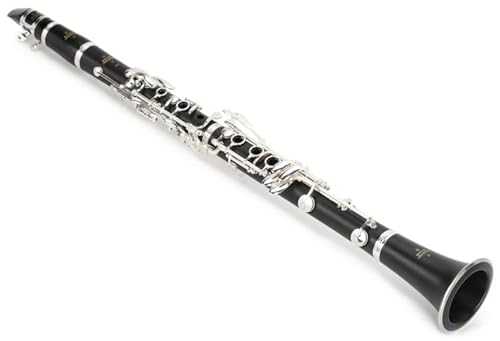 Buffet Crampon E11 Intermediate Bb Clarinet The standard step-up clarinet: a grenadilla wood body and silver-plated keys. Wood is what changes the tone, and it is also what introduces the cracking risk a resin clarinet does not have. | The step up from a resin student clarinet | 9.2/10 | $1,559.99View on Amazon #ad · price as of October 27, 2026 · how this is funded |
| 2 |  Yamaha YCL-255 Student Clarinet The default school clarinet. An ABS resin body ignores humidity and cracking entirely, and the key work holds adjustment through the abuse a middle-school case takes. | The clarinet school programs expect | 9.4/10 | |
| 3 |  Vandoren B45 Clarinet Mouthpiece A wider tip opening than a 4C, which gives more volume and flexibility to a player who already has an embouchure. It is a step-up mouthpiece, not a beginner's first change. | Players past their first year | 8.5/10 | $127.26View on Amazon #ad · price as of October 27, 2026 · how this is funded |
Scores are our own editorial fit rating from published specifications — the rubric is on our methodology page. They are not test results; we have not played these instruments.
Try the cheaper upgrades first
A step-up clarinet is a large purchase and we earn a commission on it, so the useful thing to say first is that most students who feel limited by their clarinet have not yet exhausted the cheap options.
- A better mouthpiece. The single biggest change available for the money, and many students on resin clarinets have never replaced the bundled one. Which one.
- The right reed strength. A student who has stayed on strength 2 for two years is being held back by the reed rather than the clarinet. The strength chart.
- A professional service. Pads that no longer seal produce exactly the symptoms — notes that will not speak, a stuffy low register — that prompt upgrade questions.
Together those cost a fraction of a wooden clarinet. Do them first.
What wood actually changes
Grenadilla is denser than resin, and a denser body absorbs less vibration and reflects more back into the air column. The audible result is a darker, rounder tone with more color, and a response that most players describe as more immediate.
The difference is genuine and it is not enormous. A blindfolded listener would reliably distinguish a good wooden clarinet from a resin one; the same listener would much more reliably distinguish a good player from a poor one on either.
| ABS resin | Grenadilla wood | |
|---|---|---|
| Tone | Clear and even, slightly bright | Darker, rounder, more tonal color |
| Cracking risk | None | Real, especially in the first year and in dry climates |
| Humidity care | None required | Needs a case humidifier and careful temperature handling |
| Break-in period | None | Several weeks of limited playing time |
| School environment | Ideal | Risky — lockers and classrooms are dry and cold |
| Cost | Student pricing | Several times a resin student clarinet |
The break-in period is not optional
A new wooden clarinet has never been exposed to warm, moist breath, and the bore expands as it absorbs moisture for the first time. Playing a new wooden instrument for long sessions immediately puts uneven stress through the body and is a genuine cause of cracking.
Manufacturers publish break-in schedules and they broadly agree: start at around fifteen minutes a day for the first week, increasing gradually over four to six weeks. Swab thoroughly after every session, and avoid playing a cold instrument — let it come to room temperature first.
Humidity control, for the life of the instrument
A wooden clarinet needs its humidity managed permanently, not just during break-in. A case humidifier is inexpensive and is the standard solution; the aim is to keep the instrument away from extremes rather than at any precise figure.
The specific dangers are a dry winter room with heating running, and the temperature shock of taking a cold instrument straight from a car into a warm hall. Both are avoidable with a bit of planning, and both are how wooden clarinets crack.
The genuine signals to upgrade
- A teacher says the instrument is limiting the student. The most reliable signal by a distance.
- The student is auditioning for a selective ensemble where tone quality is assessed.
- They can hear the difference themselves on another player’s instrument. That means their ear has developed past their clarinet.
- They are ready to look after it. This one is genuinely part of the decision. A student who leaves their case open in a car is not ready for a wooden clarinet regardless of how well they play.
Not there yet?
A resin student clarinet, well maintained and fitted with a good mouthpiece, will take a student a long way — further than most people assume. If the signals above are not present, put the money into lessons instead. It buys more progress than any instrument does at this stage.
The picks, in full
Every card below is written from the published specification and the manufacturer’s own documentation. We have not played these instruments — see how we work for exactly what that means and what we do instead.
Our top pick · The step up from a resin student clarinet
Buffet Crampon E11 Intermediate Bb Clarinet
The standard step-up clarinet: a grenadilla wood body and silver-plated keys. Wood is what changes the tone, and it is also what introduces the cracking risk a resin clarinet does not have.
What works
- Grenadilla wood body gives the darker, rounder tone a resin body cannot
- Silver-plated keys and better undercutting than any student model
- The instrument most high-school players move to
What to know
- Wood requires a break-in period and careful humidity control or it can crack
- Several times the price of a resin student clarinet
- Key
- Bb
- Body
- Grenadilla wood
- Keys
- Silver-plated
#ad · price as of October 27, 2026 · how this is funded
Specs read from the manufacturer or retailer listing on 2026-09-07. Our fit score: 9.2/10.
Pick 2 · The clarinet school programs expect
Yamaha YCL-255 Student Clarinet
The default school clarinet. An ABS resin body ignores humidity and cracking entirely, and the key work holds adjustment through the abuse a middle-school case takes.
What works
- ABS resin body will not crack the way grenadilla wood does in a dry classroom
- Adjustment holds through a school year of handling
- Best resale value of any student clarinet
What to know
- Resin does not develop the warmth of a wooden body
- The supplied mouthpiece is the first thing worth upgrading
- Key
- Bb
- Body
- ABS resin
- Keys
- Nickel-plated
- Bore
- Cylindrical, 14.95 mm
Specs read from the manufacturer or retailer listing on 2026-09-07. Our fit score: 9.4/10.
Pick 3 · Players past their first year
Vandoren B45 Clarinet Mouthpiece
A wider tip opening than a 4C, which gives more volume and flexibility to a player who already has an embouchure. It is a step-up mouthpiece, not a beginner's first change.
What works
- Wider tip opening allows more dynamic range and color
- The most widely used intermediate clarinet mouthpiece
What to know
- The wide opening requires softer reeds and more embouchure control
- A true beginner will find it harder to play, not easier
- Facing
- B45 (wide tip)
- For
- Bb clarinet
- Suits reeds
- Softer strengths for the opening
#ad · price as of October 27, 2026 · how this is funded
Specs read from the manufacturer or retailer listing on 2026-09-07. Our fit score: 8.5/10.
Questions people actually ask
When should a student get a wooden clarinet?
When a teacher says the resin instrument is limiting them, typically in the third or fourth year, and when the student is organized enough to manage humidity and break-in. Both parts matter — readiness to care for it is genuinely part of the decision.
What is the difference between a wooden and plastic clarinet?
Grenadilla wood is denser, absorbs less vibration and gives a darker, rounder tone with more color. It also cracks in dry conditions, needs a break-in period and requires permanent humidity control. Resin does none of that and cannot crack.
How do you break in a new wooden clarinet?
Start at around fifteen minutes a day for the first week and increase gradually over four to six weeks. Swab thoroughly after every session and never play a cold instrument — let it reach room temperature first. Manufacturers publish schedules and broadly agree.
Can a wooden clarinet crack?
Yes, and it is the main risk of owning one. The dangers are dry heated rooms in winter and the temperature shock of a cold instrument going straight into a warm hall. A case humidifier and a bit of planning prevent most of it.
Sources
We have not played these instruments, so citation is our evidence. Everything above traces back to one of these, on the date shown.