Clarinet care and the daily routine
Two minutes after each session prevents almost everything that goes wrong with a student clarinet.
By Stephen V. · Writes Reed & Rosin · last verified
The short answer
Swab the clarinet after every session, pulling the swab through narrow end first so it cannot jam. Apply cork grease sparingly when joints feel stiff, and store the reed in a guard rather than on the mouthpiece.
Some links on this page earn us a commission at no extra cost to you. It does not change which instrument we recommend, and it does not change the order. We also earn nothing when the honest answer is “rent it” — and we still say so. Full disclosure.
Quick picks
| # | Product | Best for | Score | Price |
|---|---|---|---|---|
| 1 | 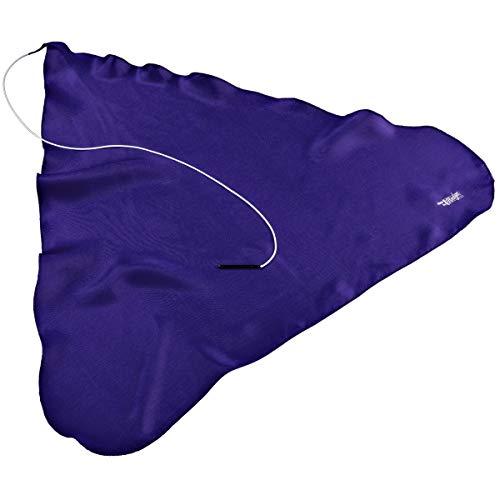 Hodge Silk Clarinet Swab Silk absorbs more and bunches less than the chamois or microfiber swabs bundled with cheap kits, which matters because a swab stuck in the upper joint is a repair-shop visit. | The swab least likely to jam | 8.9/10 | |
| 2 | 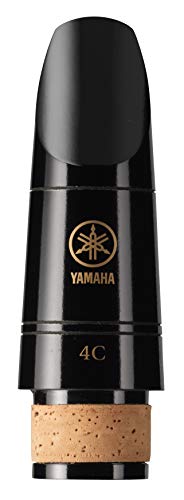 Yamaha 4C Clarinet Mouthpiece The cheapest upgrade that makes a real difference to a student clarinet. A medium facing with consistent tolerances, and it costs a fraction of what the instrument does. | Replacing the mouthpiece a student clarinet ships with | 9.2/10 | $49.95View on Amazon #ad · price as of October 27, 2026 · how this is funded |
Scores are our own editorial fit rating from published specifications — the rubric is on our methodology page. They are not test results; we have not played these instruments.
What a care kit needs
| Item | What it does | Essential? |
|---|---|---|
| Swab | A weighted cloth pulled through the bore to remove moisture | Yes — the single most important item |
| Cork grease | Lubricates the tenon corks so joints assemble without tearing | Yes |
| Reed guard | Holds reeds flat while they dry, preventing warping | Yes, and cheap |
| Polishing cloth | Removes fingerprints from the keys | Useful |
| Pad-drying paper | Draws moisture from under a sticky pad | Useful — the fix for a key that clicks |
| Mouthpiece brush | Cleans residue from inside the mouthpiece | Useful |
| Key oil | Lubricates the key mechanism | For a technician, not a student — over-oiling attracts grit |
Swabbing, and how not to jam it
A clarinet swab is a cloth with a weighted cord attached. Drop the weight through the bore, pull the cord, and the cloth follows and absorbs the moisture.
The failure mode everyone experiences at least once is a swab jammed inside the upper joint. It happens for a specific reason: the clarinet bore is narrower at the top, so a swab pulled from the wrong direction bunches up in a narrowing space and locks solid.
- 1
Take the clarinet apart
Bell, lower joint, upper joint, barrel, mouthpiece. Swab each piece separately rather than trying to pull through the assembled instrument.
- 2
Drop the weight through the WIDE end
This is the rule that prevents jamming. The swab travels from wide to narrow, so the cloth is always moving toward more room, never less.
- 3
Pull it through smoothly
One steady pull. If it snags, do not yank — push the weight back and start again. Yanking a snagged swab is how it becomes permanently stuck.
- 4
Swab the mouthpiece separately
Remove the reed first. Wipe the mouthpiece interior with a small cloth or a dedicated mouthpiece swab.
- 5
Store the reed in a guard
Not on the mouthpiece. A reed left clamped in place warps and grows mold, and both are avoidable.
If a swab jams
Do not pull harder and do not poke at it with a rod. Both compress the cloth further into the narrowing bore and can damage the tone holes from inside.
Take it to a repair shop. They have the right tools and it takes minutes. Silk swabs jam considerably less often than the bulkier chamois and microfibre kinds, which is a real reason to prefer them.
Cork grease, used correctly
The tenon corks are the cork rings where the joints fit together. Dry cork grips, and forcing a dry joint tears it — a torn tenon cork means an air leak and a shop visit to replace it.
Apply a thin smear with a fingertip and twist the joint as it goes together. Two rules that matter:
- Sparingly. Excess grease attracts dust and grit, which then acts as an abrasive on the cork. A thin film is enough.
- Only when needed. When a joint feels stiff, not every session. Greasing daily is over-greasing.
A brand new clarinet often has tight corks and needs greasing several times in the first weeks as they compress and settle. That is normal.
Sticky keys
A key that clicks or sticks usually has moisture trapped between the pad and its tone hole. Slide pad-drying paper under the pad, press the key gently, and draw the paper out while the key is closed. Repeat once or twice.
Avoid ordinary paper towel, which leaves lint on the pad, and banknotes, which are a common improvisation and can leave residue.
Assembly, which is where clarinets get broken
Most student clarinet damage happens during assembly rather than playing. Hold the joints by the body, not by the keywork — gripping the keys bends rods, and bent rods mean pads that no longer seal.
The bridge key between the upper and lower joints is the most commonly bent part on any student clarinet. When joining those two, hold each joint so the bridge keys line up before pushing them together, and twist gently rather than forcing straight.
The saxophone version of this routine — a wider bore, a neck that is the most-skipped part of the instrument, and a different cork-grease rule — is on our page about the saxophone care kit and daily routine.
The picks, in full
Every card below is written from the published specification and the manufacturer’s own documentation. We have not played these instruments — see how we work for exactly what that means and what we do instead.
Our top pick · The swab least likely to jam
Hodge Silk Clarinet Swab
Silk absorbs more and bunches less than the chamois or microfiber swabs bundled with cheap kits, which matters because a swab stuck in the upper joint is a repair-shop visit.
What works
- Silk pulls through the bore without bunching in the upper joint
- Absorbs more moisture per pass than chamois
- Washable and long-lived
What to know
- Costs several times a bundled swab
- Still jams if pulled through the wrong way — narrow end first, always
- Material
- Silk
- For
- Bb clarinet
Specs read from the manufacturer or retailer listing on 2026-09-07. Our fit score: 8.9/10.
Pick 2 · Replacing the mouthpiece a student clarinet ships with
Yamaha 4C Clarinet Mouthpiece
The cheapest upgrade that makes a real difference to a student clarinet. A medium facing with consistent tolerances, and it costs a fraction of what the instrument does.
What works
- Consistent facing and tip opening, unlike the bundled mouthpieces it replaces
- Medium facing works with the standard 2 to 2.5 student reeds
- The most common director-recommended first mouthpiece upgrade
What to know
- Advanced players will move to a hand-finished mouthpiece
- Ligature and cap are not always included — check the listing
- Facing
- 4C (medium)
- For
- Bb clarinet
- Suits reeds
- Roughly 2 to 3
#ad · price as of October 27, 2026 · how this is funded
Specs read from the manufacturer or retailer listing on 2026-09-07. Our fit score: 9.2/10.
Questions people actually ask
How do you clean a clarinet after playing?
Take it apart, and swab each piece by dropping the swab weight through the wide end and pulling it through. Swab the mouthpiece separately with the reed removed, and store the reed in a guard rather than clamped to the mouthpiece.
How do I stop a clarinet swab getting stuck?
Always drop the weight through the wide end of each joint so the cloth travels toward more room rather than less. If it snags, push the weight back and start again — never yank. Silk swabs jam far less often than bulkier chamois ones.
How often should I use cork grease?
Only when a joint feels stiff, not every session, and then only a thin smear. Excess grease attracts dust and grit which then abrades the cork. A brand new clarinet needs it more often for the first few weeks as the corks settle.
Why do my clarinet keys stick?
Usually moisture trapped between a pad and its tone hole. Slide pad-drying paper under the pad, press the key gently, and draw the paper out while the key is closed. Avoid paper towel, which leaves lint behind.
Sources
We have not played these instruments, so citation is our evidence. Everything above traces back to one of these, on the date shown.