Saxophone care and the daily routine
A student saxophone is destroyed by moisture and by being forced together, and both take about two minutes a day to prevent.
By Stephen V. · Writes Reed & Rosin · last verified
The short answer
Swab the body and the neck after every single session, keep the mouthpiece rinsed and brushed weekly, and grease the neck cork when the joint feels stiff rather than when it is already fighting you. A swab, a mouthpiece brush and a tube of cork grease is the whole kit a student needs.
Some links on this page earn us a commission at no extra cost to you. It does not change which instrument we recommend, and it does not change the order. We also earn nothing when the honest answer is “rent it” — and we still say so. Full disclosure.
Quick picks
| # | Product | Best for | Score | Price |
|---|---|---|---|---|
| 1 | 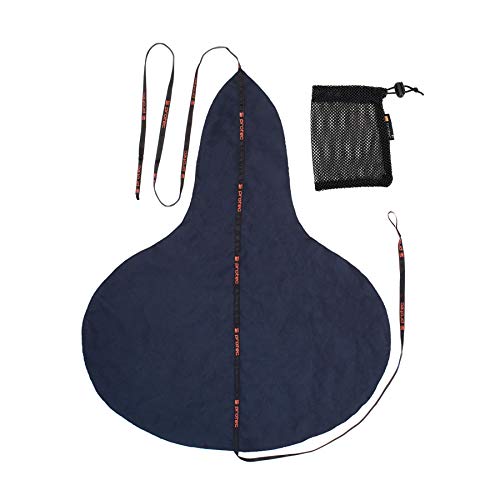 Protec 3-in-1 Body, Neck and Mouthpiece Microfiber Swab for Alto Sax (A127) One swab that reaches the body, the neck and the mouthpiece, which matters because the three get forgotten in that order. A student who owns one swab uses it; a student who owns three uses the big one and leaves the neck wet. | The one swab a student will actually use | 9.2/10 | $15.00View on Amazon #ad · price as of October 27, 2026 · how this is funded |
| 2 |  D'Addario Rico Cork Grease (RCRKGR01), 1-Count The cheapest item on this site and the one that prevents the most expensive accident. A dry cork makes a student force the neck into the body, and forcing a saxophone together is how keys get bent. | Stopping a student forcing a dry joint | 9.3/10 | $4.99View on Amazon #ad · price as of October 27, 2026 · how this is funded |
| 3 |  Libretto Alto Saxophone All-Inclusive Care Kit The everything-in-one-box answer: two swabs, the two brushes, cork grease, a thumb cushion and a reed case, in a case of its own. Buying the pieces separately is better value per item and worse at actually arriving before the first lesson. | A rented horn arriving with nothing but a strap | 8.8/10 | $17.95View on Amazon #ad · price as of October 27, 2026 · how this is funded |
| 4 |  Hodge Silk Alto Saxophone Swab Silk rather than microfiber, and the swab a lot of teachers specify by name. Silk pulls through a tapered bore without bunching, which is the failure that makes a student stop swabbing after the first time a swab jams. | A swab that will not jam in the bore | 9.0/10 | $33.25View on Amazon #ad · price as of October 27, 2026 · how this is funded |
Scores are our own editorial fit rating from published specifications — the rubric is on our methodology page. They are not test results; we have not played these instruments.
What actually goes wrong with a student saxophone
Almost everything that sends a student saxophone to a repair shop comes from one of two causes, and neither is dropping it.
The first is moisture. A saxophone pad is a leather disc over felt, and it seals against a metal tone hole. Breath condenses inside the instrument every time it is played, and a pad that stays wet goes from supple to hard, then from hard to leaking. A leaking pad means notes that will not speak, which a student experiences as “I am bad at this” rather than as a mechanical fault. A full repad on a student alto frequently costs a meaningful fraction of what the instrument is worth.
The second is force. The neck fits into the body on a cork joint, and when that cork is dry the neck does not want to go in. A student who cannot get it together pushes harder, twists, and puts sideways load on the octave key mechanism that sits right there. Bent keys are a shop job and they are entirely preventable with a tube of grease that costs less than a reed.
Check the rental agreement before you buy anything
If the saxophone is rented, the rental usually includes some care items and the agreement may specify what you can and cannot use on the instrument. Look in the case first — a swab is often in there — and ask the band director what the program expects. Our page on asking the band director has the wording, and renting against buying covers the rest of the agreement.
The two-minute routine
- 1
Take the reed off first
Loosen the ligature, slide the reed off, and put it in a reed guard rather than leaving it on the mouthpiece. A reed left clamped on a wet mouthpiece warps and grows things.
- 2
Swab the body
Drop the weighted end of the swab through the bell, let it fall out the top of the body, and pull it through. One or two passes is enough; a saxophone body is a wide taper and the swab moves easily.
- 3
Swab the neck separately
This is the step that gets skipped and the one that matters most. The neck is narrow, it catches the most condensation, and the gunk that builds up inside it is the usual cause of a saxophone that smells.
- 4
Wipe the mouthpiece and reassemble dry
Pull a swab or cloth through the mouthpiece. Once a week, rinse it in lukewarm water and run a mouthpiece brush through it — never hot water, which can distort hard rubber.
- 5
Grease the cork only when it feels stiff
Not every day. A smear when assembly starts to drag, worked around the cork with a finger, is right. Excess grease collects grit and shortens the cork's life.
What belongs in the kit, and what does not
| Item | How often | Why it is on the list |
|---|---|---|
| Body swab | After every session | The single highest-value habit — it is what keeps pads supple |
| Neck swab | After every session | The neck catches the most moisture and is the most skipped part |
| Mouthpiece brush | Weekly | Nothing else reaches inside the mouthpiece chamber |
| Cork grease | When the joint drags | Prevents the forcing that bends octave-key mechanism |
| Reed guard or case | Every session | A reed stored flat and dry lasts several times longer |
| Polishing cloth | Occasionally | Cosmetic. Pleasant, not protective — and lacquer polish is best left alone |
Contents and intended use transcribed from the product listings cited below, read 16 October 2026.
Two things that appear in care kits and should be treated with caution: pad-drying papers are fine used occasionally on a pad that is audibly sticking, but a student who uses them daily is treating a symptom — the real fix is swabbing. And lacquer polish on a student horn is a cosmetic product that can do real harm on a thin or worn lacquer; a dry cloth is the right answer.
Key oil sits in between. It is in most multi-piece kits and it does belong on a saxophone eventually, but applying it is a job best done sparingly and ideally shown once by a teacher or a technician. A beginner over-oiling keys makes a mess that attracts grit into the pivots.
Pad savers: the honest answer
A pad saver is a fluffy wand left inside the instrument between sessions, and it is the most argued-about item in woodwind care. The case for it is that it absorbs residual moisture after swabbing. The case against is that a pad saver left in a closed case holds that moisture against the pads rather than letting it evaporate, which is the opposite of the goal.
The position that survives both arguments: swab properly, and if you use a pad saver, leave it out of the case or at least leave the case open for a while after playing. A pad saver is not a substitute for a swab, and a student who owns one and skips swabbing is worse off than one who owns neither.
What we picked, and why
We ranked on whether the item addresses one of the two real failure modes, whether a twelve-year-old will actually use it unprompted, and whether the fit is specified rather than assumed. Saxophone swabs are sized by instrument — an alto swab is not a tenor swab — and a swab that is too large for the bore is the one that jams, which is the fastest way to turn a student off the habit entirely.
The top pick is a three-in-one because the realistic failure is not buying a bad swab, it is owning three tools and using one. Every pick below carries its honest cons, including the premium silk swab, which costs several times the microfiber one for a difference a first-year student may not feel.
If the horn already smells or sticks
A saxophone that smells has moisture and residue living in the neck, and the fix is to clean the neck properly: warm (not hot) water, a flexible neck brush, and thorough drying. A horn whose pads stick audibly on release has sugar residue on the pads, which comes from playing after eating or drinking anything but water. Rinsing the mouth before playing prevents it, and it is worth telling a student that directly rather than hoping.
Neither of those is a repair, and both get worse if ignored. A horn where notes in the low register will not speak at all, where they speak only with heavy pressure, or where a key visibly does not close flat is past home maintenance and wants a technician. On a rented instrument, that call goes to the rental shop and is usually covered.
The clarinet equivalent of this page — a narrower bore, a swab that genuinely can jam, and a different cork-grease rule — is on our page about the clarinet care kit and daily routine. Reeds, which are the other recurring cost of a reed instrument, have their own page at saxophone reeds for beginners.
The picks, in full
Every card below is written from the published specification and the manufacturer’s own documentation. We have not played these instruments — see how we work for exactly what that means and what we do instead.
Our top pick · The one swab a student will actually use
Protec 3-in-1 Body, Neck and Mouthpiece Microfiber Swab for Alto Sax (A127)
One swab that reaches the body, the neck and the mouthpiece, which matters because the three get forgotten in that order. A student who owns one swab uses it; a student who owns three uses the big one and leaves the neck wet.
What works
- Covers body, neck and mouthpiece, so nothing is skipped for want of a tool
- Microfiber, which absorbs more than it smears
- Protec makes the cases most band rooms already stock, so the brand is familiar to directors
What to know
- A single swab used on all three gets grubby faster than a dedicated set
- Sized for alto and soprano — a tenor player needs the larger version
- Fits
- Alto and soprano saxophone
- Covers
- Body, neck and mouthpiece
- Material
- Microfiber
- Model
- A127
#ad · price as of October 27, 2026 · how this is funded
Specs read from the manufacturer or retailer listing on 2026-10-16. Our fit score: 9.2/10.
Pick 2 · Stopping a student forcing a dry joint
D'Addario Rico Cork Grease (RCRKGR01), 1-Count
The cheapest item on this site and the one that prevents the most expensive accident. A dry cork makes a student force the neck into the body, and forcing a saxophone together is how keys get bent.
What works
- Costs less than a single reed and lasts most of a school year
- Listed for both clarinet and saxophone, so a household with one of each needs one tube
- Twist-up stick, so it does not end up on the fingers and then the pads
What to know
- Easy to over-apply, and excess grease collects grit against the cork
- Does nothing for a cork that has already compressed — that is a repad-shop job
- For
- Clarinet and saxophone corks
- Model
- RCRKGR01
- Pack
- 1 count
#ad · price as of October 27, 2026 · how this is funded
Specs read from the manufacturer or retailer listing on 2026-10-16. Our fit score: 9.3/10.
Pick 3 · A rented horn arriving with nothing but a strap
Libretto Alto Saxophone All-Inclusive Care Kit
The everything-in-one-box answer: two swabs, the two brushes, cork grease, a thumb cushion and a reed case, in a case of its own. Buying the pieces separately is better value per item and worse at actually arriving before the first lesson.
What works
- Mouthpiece brush included, which is the item nobody buys separately and everybody needs
- Reed case included, so reeds stop living on the mouthpiece
- One purchase instead of five, which is the difference between a kit that exists and one that is still on a wishlist
What to know
- Individual pieces are of kit quality rather than Hodge or Protec quality
- Duplicates things a rental often supplies, so check the case before buying
- Fits
- Alto saxophone
- Includes
- Mouthpiece brush, dust brush, 2 microfiber swabs, thumb cushion, cork grease, reed case
- Storage
- Supplied in its own handy case
#ad · price as of October 27, 2026 · how this is funded
Specs read from the manufacturer or retailer listing on 2026-10-16. Our fit score: 8.8/10.
Pick 4 · A swab that will not jam in the bore
Hodge Silk Alto Saxophone Swab
Silk rather than microfiber, and the swab a lot of teachers specify by name. Silk pulls through a tapered bore without bunching, which is the failure that makes a student stop swabbing after the first time a swab jams.
What works
- Silk compresses small and slides through the taper rather than wedging
- The same maker as the clarinet swab a lot of band rooms already use
- Dries out between sessions instead of staying damp in the case
What to know
- Costs several times a microfiber swab, for a difference a beginner may not feel
- Thin silk absorbs less per pass, so a wet horn takes two pulls
- Fits
- Alto saxophone
- Material
- Silk
- Covers
- Body
#ad · price as of October 27, 2026 · how this is funded
Specs read from the manufacturer or retailer listing on 2026-10-26. Our fit score: 9.0/10.
Questions people actually ask
What should be in a saxophone care kit?
A body swab, a neck swab, a mouthpiece brush, cork grease and a reed guard. That covers both of the things that actually damage a student saxophone — trapped moisture and a dry cork joint being forced. Everything else in a multi-piece kit is optional.
How often should you swab a saxophone?
After every single session, including short ones. Swabbing is what keeps the pads supple; a pad that is repeatedly left wet hardens and then leaks, and leaking pads are a repad bill rather than a cleaning job.
Should you use a pad saver in a saxophone?
Only in addition to swabbing, and preferably not left sealed inside a closed case. A pad saver left in a shut case can hold moisture against the pads rather than letting it dry, which works against the point. Swab first, always.
How often do you put cork grease on a saxophone neck?
When the joint starts to feel stiff rather than on a schedule. A thin smear worked around the cork with a finger is enough. Over-greasing collects grit against the cork and shortens its life.
Can you clean a saxophone mouthpiece with hot water?
No. Lukewarm water and a mouthpiece brush, about once a week. Hot water can distort or discolor hard rubber, and the damage is not reversible.
Sources
We have not played these instruments, so citation is our evidence. Everything above traces back to one of these, on the date shown.