Clarinet reeds: strength, brand and rotation
Reeds are the largest recurring cost of playing a clarinet, and the habit that halves that cost takes no effort at all.
By Stephen V. · Writes Reed & Rosin · last verified
The short answer
Beginners start on strength 2 reeds and move to 2.5 after roughly three to six months, once the tone stops sounding airy. Strength numbers do not cross brands — a Rico 2.5 is softer than a Vandoren 2.5 — so change one variable at a time.
Some links on this page earn us a commission at no extra cost to you. It does not change which instrument we recommend, and it does not change the order. We also earn nothing when the honest answer is “rent it” — and we still say so. Full disclosure.
Quick picks
| # | Product | Best for | Score | Price |
|---|---|---|---|---|
| 1 |  Rico Organic Bb Clarinet Reeds 2.0 Strength 2 is where a beginner starts, and Rico is cut thinner than Vandoren at the same number, so it speaks with less air. The right first box, for the first three to six months. | The first box of reeds a beginner buys | 8.9/10 | $24.99View on Amazon #ad · price as of October 27, 2026 · how this is funded |
| 2 |  Vandoren Traditional Bb Clarinet Reeds 2.5 Strength 2.5 is the standard step up from a first box of 2s, usually after three to six months. Blue-box Vandoren is the reed most band directors assume when they say 'get proper reeds'. | The second box, after strength 2 | 9.1/10 | $31.00View on Amazon #ad · price as of October 27, 2026 · how this is funded |
| 3 | 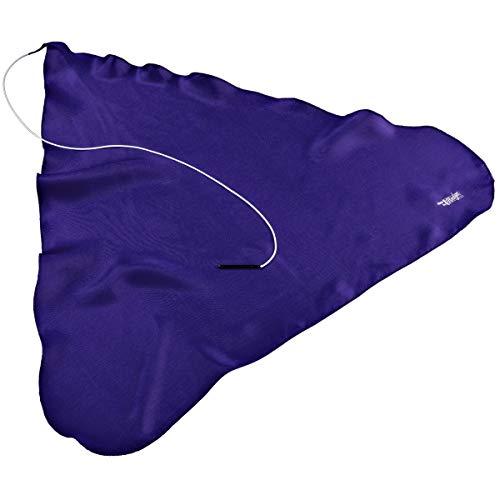 Hodge Silk Clarinet Swab Silk absorbs more and bunches less than the chamois or microfiber swabs bundled with cheap kits, which matters because a swab stuck in the upper joint is a repair-shop visit. | The swab least likely to jam | 8.9/10 |
Scores are our own editorial fit rating from published specifications — the rubric is on our methodology page. They are not test results; we have not played these instruments.
What a reed actually does
A clarinet reed is a thin blade of cane clamped against the mouthpiece. Air blown past it makes it vibrate against the mouthpiece opening hundreds of times a second, and that vibration is the sound. The instrument shapes and amplifies it.
Reed strength describes how thick and stiff the blade is. A soft reed vibrates readily with little air; a hard reed resists and needs more air and a firmer embouchure, and rewards that with more control and a fuller tone.
The strength chart
| Strength | Stage | What it feels like |
|---|---|---|
| 1.5 | Very young beginners, or a student struggling to make any sound | Extremely easy to sound; thin and uncontrolled, squeaks readily |
| 2 | The standard starting strength — first 3 to 6 months | Speaks with modest air; the right place to build an embouchure |
| 2.5 | After roughly 3-6 months, once tone stops being airy | More resistance, noticeably fuller sound, better control |
| 3 | Typically second year onward | Requires a developed embouchure; rich tone and stable in the upper register |
| 3.5 and up | Advanced players | Considerable resistance; a beginner cannot make these speak at all |
Move up when the current strength starts to feel too easy and the sound is thin or uncontrolled, not on a calendar. A student on too hard a reed sounds strangled and tires within minutes.
Strength numbers do not cross brands
This causes more confusion than any other aspect of reeds. Each manufacturer cuts its reeds differently, so the same number means different things.
Rico reeds are cut thinner than Vandoren at the same number, so a Rico 2.5 plays noticeably easier than a Vandoren 2.5. A student moving brands without adjusting the number can effectively jump a whole strength without meaning to, and will assume they have gone backwards.
The practical rule: change one variable at a time. Change strength within a brand, or change brand at the same number and expect to adjust afterwards. Never both at once.
Rotation: the habit that halves the reed budget
Keep four reeds in rotation and use a different one each session, rather than playing one until it dies.
Cane absorbs moisture while played and needs time to dry properly. A reed played every day never fully recovers, warps, and is finished within weeks. Four reeds rotating each get three days to dry between uses and last several times longer — so four reeds in rotation outlast eight played to destruction.
A reed guard holds them flat while they dry, which prevents the warping that rotation is partly designed to avoid. It costs very little and is the accessory most worth buying alongside the box.
Handling a reed
- 1
Wet it before playing
Soak the reed in water or in the mouth for about a minute before assembling. A dry reed is brittle, plays badly, and chips at the tip. This is the step most often skipped by students in a hurry.
- 2
Line the tip up with the mouthpiece
The reed tip should sit level with the mouthpiece tip, or a hair below it — close enough that a sliver of the mouthpiece is just visible above the reed. Too high and it will not vibrate; too low and it chokes.
- 3
Tighten the ligature just enough
Firm enough that the reed does not move, and no firmer. Over-tightening damps the vibration and makes the reed feel dead.
- 4
Wipe and store it flat after playing
Remove the reed, wipe it dry, and put it in a reed guard rather than leaving it on the mouthpiece. A reed left clamped to a mouthpiece warps and grows mold.
What a dead reed looks like
- A chipped or split tip. Visible under a light, and the reed will not play cleanly again. Discard it.
- Discolouration. Dark patches or a greenish tinge mean mold, usually from being stored damp on the mouthpiece.
- It plays flat and lifeless. The cane fibers have fatigued and no longer spring back.
- It warps. Hold it flat against a hard surface; a reed that rocks will not seal against the mouthpiece.
Expect two or three unusable reeds in every box of ten. Cane is a natural material and is inconsistent by nature — this is normal rather than a quality problem with the box.
Synthetic reeds
Synthetic reeds cost several times as much as a single cane reed, last far longer, need no wetting, and do not vary. For a disorganized student who keeps arriving at rehearsal with a broken reed, that consistency has real value.
The trade is tonal: most players find synthetics slightly less warm and responsive than good cane. Many teachers prefer beginners on cane for exactly that reason — learning to feel the difference between a good and a poor reed is itself part of learning the instrument.
The picks, in full
Every card below is written from the published specification and the manufacturer’s own documentation. We have not played these instruments — see how we work for exactly what that means and what we do instead.
Our top pick · The first box of reeds a beginner buys
Rico Organic Bb Clarinet Reeds 2.0
Strength 2 is where a beginner starts, and Rico is cut thinner than Vandoren at the same number, so it speaks with less air. The right first box, for the first three to six months.
What works
- Thinner cut speaks easily while the embouchure is still forming
- Strength 2 avoids the airy, strangled sound of an over-strong reed
- Costs less per reed than the premium boxes
What to know
- Wears out faster than a heavier reed
- A player will outgrow strength 2 within a few months
- Strength
- 2.0
- For
- Bb clarinet
- Quantity
- 10 per box
#ad · price as of October 27, 2026 · how this is funded
Specs read from the manufacturer or retailer listing on 2026-09-07. Our fit score: 8.9/10.
Pick 2 · The second box, after strength 2
Vandoren Traditional Bb Clarinet Reeds 2.5
Strength 2.5 is the standard step up from a first box of 2s, usually after three to six months. Blue-box Vandoren is the reed most band directors assume when they say 'get proper reeds'.
What works
- The reference clarinet reed — consistent thickness profile box to box
- Ten to a box, which is roughly a term of playing
- 2.5 is the right strength once tone stops being airy on 2s
What to know
- A strong 2.5 is too resistant for a beginner in month one; start on 2
- Cane reeds are inconsistent by nature — expect two or three duds per box
- Strength
- 2.5
- For
- Bb clarinet
- Quantity
- 10 per box
#ad · price as of October 27, 2026 · how this is funded
Specs read from the manufacturer or retailer listing on 2026-09-07. Our fit score: 9.1/10.
Pick 3 · The swab least likely to jam
Hodge Silk Clarinet Swab
Silk absorbs more and bunches less than the chamois or microfiber swabs bundled with cheap kits, which matters because a swab stuck in the upper joint is a repair-shop visit.
What works
- Silk pulls through the bore without bunching in the upper joint
- Absorbs more moisture per pass than chamois
- Washable and long-lived
What to know
- Costs several times a bundled swab
- Still jams if pulled through the wrong way — narrow end first, always
- Material
- Silk
- For
- Bb clarinet
Specs read from the manufacturer or retailer listing on 2026-09-07. Our fit score: 8.9/10.
Questions people actually ask
What strength clarinet reeds should a beginner use?
Strength 2 for the first three to six months, then 2.5 once the tone stops sounding airy and the current reed feels too easy. Move up when the sound tells you to, not on a calendar.
How long do clarinet reeds last?
A few weeks each if rotated properly, and only days if a single reed is played every session. Rotating four reeds gives each three days to dry between uses, which makes four reeds outlast eight played to destruction.
Are Rico and Vandoren reed strengths the same?
No. Rico cuts thinner than Vandoren at the same number, so a Rico 2.5 plays noticeably easier than a Vandoren 2.5. Change strength within a brand or change brand at the same number, but never both at once.
Do clarinet reeds expire?
Unused reeds keep almost indefinitely if stored dry and flat. Reeds in use fatigue within weeks, and a reed left clamped to the mouthpiece will warp and can grow mold within days.
Should a beginner use synthetic clarinet reeds?
They are a reasonable option for a disorganized student, since they need no wetting, last far longer and do not vary. Most teachers still prefer cane for beginners, partly on tone and partly because learning to judge a reed is part of learning the instrument.
Sources
We have not played these instruments, so citation is our evidence. Everything above traces back to one of these, on the date shown.