Jean Paul versus Yamaha for a first band instrument
These are the two names a parent shopping online keeps landing on, and the choice between them is decided by something that is not written on either listing.
By Stephen V. · Writes Reed & Rosin · last verified
The short answer
Ask the band director first: some programs specify Yamaha by name, and a rejected instrument is the most expensive mistake available. Where there is no brand list, Jean Paul is the better value on trumpet, Yamaha wins on clarinet and alto sax, and on flute it is worth checking Gemeinhardt too.
Some links on this page earn us a commission at no extra cost to you. It does not change which instrument we recommend, and it does not change the order. We also earn nothing when the honest answer is “rent it” — and we still say so. Full disclosure.
Quick picks
| # | Product | Best for | Score | Price |
|---|---|---|---|---|
| 1 |  Yamaha YTR-2330 Student Bb Trumpet The student trumpet band directors name without hesitation. Monel valves and consistent slide fit mean the instrument stops being the reason a beginner sounds bad within a few weeks. | The trumpet a band director will approve | 9.4/10 | |
| 2 |  Jean Paul TR-330N Student Bb Trumpet (Nickel-Plated) The best-value student trumpet that still gets accepted in most band rooms: stainless steel valves, a two-piece yellow brass bell and a US-based warranty behind it. | Band-room quality at half the Yamaha price | 8.9/10 | $299.99View on Amazon #ad · price as of September 17, 2026 · how this is funded |
| 3 |  Yamaha YCL-255 Student Clarinet The default school clarinet. An ABS resin body ignores humidity and cracking entirely, and the key work holds adjustment through the abuse a middle-school case takes. | The clarinet school programs expect | 9.4/10 | $779.00View on Amazon #ad · price as of September 17, 2026 · how this is funded |
| 4 | 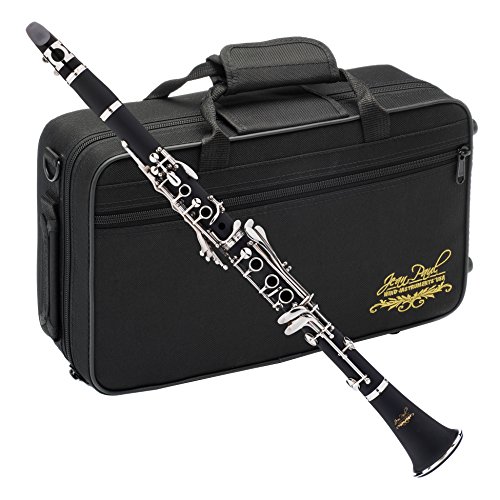 Jean Paul CL-300 Student Bb Clarinet The value clarinet that most band rooms will still accept: resin body, nickel keys, US warranty. Ask the director first, because clarinet is the instrument where brand policies are strictest. | Band-usable clarinet at a lower price | 8.7/10 | $279.99View on Amazon #ad · price as of September 17, 2026 · how this is funded |
| 5 | 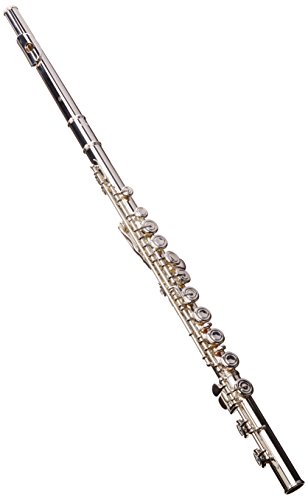 Yamaha YFL-222 Student Flute The student flute most band programs are built around. Pad seating and key alignment are the two things that decide whether a beginner flute plays, and this is where Yamaha earns the premium. | The flute a band director expects | 9.3/10 | $579.00View on Amazon #ad · price as of September 17, 2026 · how this is funded |
| 6 | 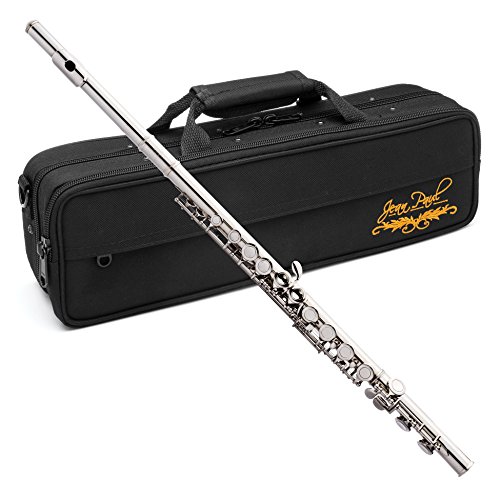 Jean Paul FL-220 Silver-Plated Flute The value pick with a US warranty behind it. Ask the band director first — some programs specify Yamaha or Gemeinhardt by name, and a rejected flute is an expensive lesson. | Value, with the director's approval first | 8.5/10 | |
| 7 |  Yamaha YAS-26 Alto Saxophone The student alto the industry benchmarks against. Key placement is designed around smaller hands, and the intonation is even enough that a beginner can hear when they are out of tune. | The alto a band director expects | 9.4/10 | $2,979.00View on Amazon #ad · price as of September 17, 2026 · how this is funded |
| 8 | 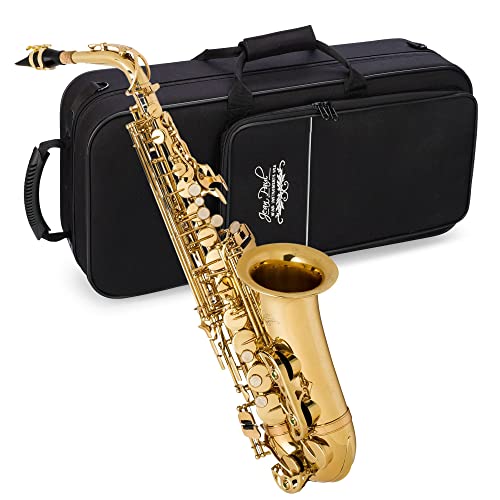 Jean Paul AS-400 Alto Saxophone The value alto with a genuine US warranty, and the one most often accepted when a program does not mandate a specific brand. Ask the band director before ordering. | Value, subject to the director's approval | 8.8/10 | $749.99View on Amazon #ad · price as of September 17, 2026 · how this is funded |
Scores are our own editorial fit rating from published specifications — the rubric is on our methodology page. They are not test results; we have not played these instruments.
The question that settles this before any specification does
Does the band program have a brand list? Many do, and it usually exists for an unglamorous reason: the technician who services the school’s instruments stocks parts for particular brands. An instrument outside that list may be refused outright, or may simply be harder to get repaired during the one week it matters.
That is the whole decision in a meaningful number of cases, and it costs one email to find out. Clarinet is where policies are strictest, and trumpet is where they are loosest. The four questions to ask covers how to put it without sounding like you are arguing.
What the price difference actually buys
Jean Paul is a US-based brand selling instruments built to a price, with a warranty and a service operation behind them. That last part is what separates them from the genuinely cheap imports, and it is why they appear on this site at all: a horn with no service path is not a saving, it is a deferred loss.
Yamaha is the reference point the entire student market is measured against. What you pay extra for is not tone in any sense a beginner could hear. It is three specific things:
- Adjustment stability. Key work and slide fit that hold their settings through a school year of being carried in a backpack. On a cheaper horn the same use produces more trips to the repair bench.
- Universal recognition. Every school technician knows the instrument, parts are trivial, and no director will question it.
- Resale. The gap in resale value is large enough that it eats a meaningful part of the price difference, and it is the argument most parents never factor in.
What the premium does not buy is a better beginner. For the first year the limiting factor is the player, not the horn, on either brand.
Trumpet: YTR-2330 against the TR-330N
The specification gap here is narrower than the price gap. The Yamaha runs Monel pistons, which stay smooth far longer than plated valves; the Jean Paul uses stainless steel pistons, which are a real step above the plated valves on the bottom of the market. Both have a two-piece yellow brass bell rather than a stamped sheet. The published bores differ slightly: 0.459 inches on the Yamaha against 0.465 inches on the Jean Paul.
The honest weak point on the Jean Paul is slide fit, which is less precise and wants more regular greasing. That is a maintenance habit rather than a defect, and it is covered in valve oil and slide care along with the cleaning routine that keeps either horn working.
Trumpet is the instrument where we would most readily take the Jean Paul, because directors are least prescriptive about brass brands and the performance gap is smallest. The full field is on the beginner trumpet roundup.
Clarinet: YCL-255 against the CL-300
Both use a resin body, which is the right choice for a school instrument because resin ignores the humidity swings that crack grenadilla wood. Both have nickel-plated keys. The difference is how long the key adjustment holds under identical use, and here the Yamaha is clearly ahead — which matters because a clarinet slightly out of adjustment produces notes that do not speak, and a beginner concludes they cannot play.
Clarinet is also the instrument where brand policies are strictest, so the director’s answer is most likely to decide it. On either horn, the supplied mouthpiece is the weakest component and replacing it is the most reliable cheap upgrade in school music — see the clarinet mouthpiece guide, then reed strength and the method books a program is most likely to assign.
Flute: YFL-222 against the FL-220
Both are silver-plated, closed-hole, offset-G student flutes — the standard layout, and offset G is the version that suits smaller hands. The Yamaha’s advantage is pad seating from new, which decides whether a beginner’s notes speak without over-blowing, and pad life over the first few years.
A third name belongs in this comparison: Gemeinhardt is the other brand band rooms accept, and it often sits between the two on price. If the director’s list names two brands, it is usually Yamaha and Gemeinhardt. All three are compared on the beginner flute roundup, and the step-up guide explains what actually changes when a student outgrows any of them.
Flute is the cheapest band instrument to run on either brand, because there are no consumables at all beyond a cleaning cloth. If a household is comparing running costs rather than purchase prices, that is the single biggest factor and it is covered in flute versus clarinet.
Alto saxophone: YAS-26 against the AS-400
This is the widest gap of the four, and it is not about materials. The Yamaha’s key placement is designed around a young player’s hand span, and its intonation is even enough across the range that a beginner can trust their own ear. On the Jean Paul the pad seating is worth checking on arrival, and the build is honest value rather than refined.
Saxophone is also the most oversubscribed section in most band rooms, which means a director is more likely to have an opinion about what a student brings. On either instrument the supplied mouthpiece is the first upgrade — see the saxophone mouthpiece guide and the saxophone method books for what to buy alongside it. The wider field is on the beginner saxophone roundup.
Where we would spend, instrument by instrument
| Instrument | Our pick | Why | When to switch to the other |
|---|---|---|---|
| Trumpet | Jean Paul TR-330N | Smallest performance gap of the four, and brass brand lists are the loosest | If the student is already committed and resale matters, buy the Yamaha |
| Clarinet | Yamaha YCL-255 | Adjustment stability decides whether notes speak; strictest brand policies | If there is no list and the budget is fixed, the CL-300 is band-usable |
| Flute | Either, and check Gemeinhardt too | Pad seating favours Yamaha; the FL-220 is the value option with a warranty | If the director names brands, follow the list rather than this table |
| Alto sax | Yamaha YAS-26 | Ergonomics and even intonation matter most on the largest of the four | For an adult beginner outside a program, the AS-400 is the sensible saving |
Every specification cited on this page is the published figure from the listing we read for that product; see the sources below. We have not played any of these instruments.
The option that beats both for a first year
Renting. First-year attrition is real, string and wind students both outgrow or abandon instruments, and a rental converts a purchase you might regret into a subscription you can cancel. We earn nothing when you rent, and the tables still say rent more often than buy for a student in their first year. The per-instrument arithmetic is on the trumpet, clarinet, flute and saxophone pages.
The case for buying either brand outright gets strong at the end of the first year, when the student has demonstrated they are staying and the instrument no longer has to be returnable.
The picks, in full
Every card below is written from the published specification and the manufacturer’s own documentation. We have not played these instruments — see how we work for exactly what that means and what we do instead.
Our top pick · The trumpet a band director will approve
Yamaha YTR-2330 Student Bb Trumpet
The student trumpet band directors name without hesitation. Monel valves and consistent slide fit mean the instrument stops being the reason a beginner sounds bad within a few weeks.
What works
- Monel piston valves stay smooth far longer than the plated valves on budget horns
- Universally recognized in school programs, so repairs and parts are trivial
- Holds resale value better than any other student trumpet
What to know
- Costs several times a budget import
- Bundled case and mouthpiece are basic for the price
- Key
- Bb
- Bore
- 0.459 in (ML)
- Bell
- Yellow brass, 4.8 in
- Valves
- Monel pistons
Specs read from the manufacturer or retailer listing on 2026-09-07. Our fit score: 9.4/10.
Pick 2 · Band-room quality at half the Yamaha price
Jean Paul TR-330N Student Bb Trumpet (Nickel-Plated)
The best-value student trumpet that still gets accepted in most band rooms: stainless steel valves, a two-piece yellow brass bell and a US-based warranty behind it.
What works
- Stainless steel pistons are a real step above the plated valves on cheaper horns
- Two-piece yellow brass bell rather than a stamped single sheet
- US-based warranty and service, unlike most direct imports
What to know
- Slide fit is less precise than a Yamaha, so it needs more regular greasing
- Some directors still specify Yamaha or Bach by name — ask first
- Key
- Bb
- Bore
- 0.465 in (11.8 mm)
- Bell
- Two-piece yellow brass
- Valves
- Stainless steel
- Finish
- Nickel-plated
#ad · price as of September 17, 2026 · how this is funded
Specs read from the manufacturer or retailer listing on 2026-09-16. Our fit score: 8.9/10.
Pick 3 · The clarinet school programs expect
Yamaha YCL-255 Student Clarinet
The default school clarinet. An ABS resin body ignores humidity and cracking entirely, and the key work holds adjustment through the abuse a middle-school case takes.
What works
- ABS resin body will not crack the way grenadilla wood does in a dry classroom
- Adjustment holds through a school year of handling
- Best resale value of any student clarinet
What to know
- Resin does not develop the warmth of a wooden body
- The supplied mouthpiece is the first thing worth upgrading
- Key
- Bb
- Body
- ABS resin
- Keys
- Nickel-plated
- Bore
- Cylindrical, 14.95 mm
#ad · price as of September 17, 2026 · how this is funded
Specs read from the manufacturer or retailer listing on 2026-09-07. Our fit score: 9.4/10.
Pick 4 · Band-usable clarinet at a lower price
Jean Paul CL-300 Student Bb Clarinet
The value clarinet that most band rooms will still accept: resin body, nickel keys, US warranty. Ask the director first, because clarinet is the instrument where brand policies are strictest.
What works
- US-based warranty and service network
- Resin body handles a school environment without cracking
- Substantially cheaper than the Yamaha
What to know
- Key adjustment drifts sooner than a Yamaha under the same use
- Supplied mouthpiece and reeds should be replaced immediately
- Key
- Bb
- Body
- Resin
- Keys
- Nickel-plated
#ad · price as of September 17, 2026 · how this is funded
Specs read from the manufacturer or retailer listing on 2026-09-07. Our fit score: 8.7/10.
Pick 5 · The flute a band director expects
Yamaha YFL-222 Student Flute
The student flute most band programs are built around. Pad seating and key alignment are the two things that decide whether a beginner flute plays, and this is where Yamaha earns the premium.
What works
- Consistent pad seating from new, so notes speak without over-blowing
- Offset G is standard, which suits smaller hands
- Every school repair tech knows the instrument
What to know
- Significantly more expensive than the import competition
- Closed-hole only — an advancing student will want open holes eventually
- Key
- C
- Holes
- Closed (plateau)
- G key
- Offset
- Foot
- C foot
#ad · price as of September 17, 2026 · how this is funded
Specs read from the manufacturer or retailer listing on 2026-09-07. Our fit score: 9.3/10.
Pick 6 · Value, with the director's approval first
Jean Paul FL-220 Silver-Plated Flute
The value pick with a US warranty behind it. Ask the band director first — some programs specify Yamaha or Gemeinhardt by name, and a rejected flute is an expensive lesson.
What works
- Silver-plated body at well below the established brands
- US-based warranty and service, unusual at this price
- Offset G and closed holes, the standard student layout
What to know
- Some directors specify Yamaha or Gemeinhardt only
- Pad life is shorter than the premium student flutes
- Key
- C
- Plating
- Silver-plated
- Holes
- Closed (plateau)
- G key
- Offset
Specs read from the manufacturer or retailer listing on 2026-09-07. Our fit score: 8.5/10.
Pick 7 · The alto a band director expects
Yamaha YAS-26 Alto Saxophone
The student alto the industry benchmarks against. Key placement is designed around smaller hands, and the intonation is even enough that a beginner can hear when they are out of tune.
What works
- Ergonomics built around a young player's hand span
- Even intonation across the range, so the player can trust their ear
- Strongest resale of any student saxophone
What to know
- The most expensive student alto in common use
- Supplied mouthpiece is adequate rather than good
- Key
- Eb alto
- Finish
- Gold lacquer
- Range
- Low Bb to high F#
#ad · price as of September 17, 2026 · how this is funded
Specs read from the manufacturer or retailer listing on 2026-09-07. Our fit score: 9.4/10.
Pick 8 · Value, subject to the director's approval
Jean Paul AS-400 Alto Saxophone
The value alto with a genuine US warranty, and the one most often accepted when a program does not mandate a specific brand. Ask the band director before ordering.
What works
- Lacquered golden brass body at well under the Yamaha price
- US-based warranty and service
- Ribbed construction and blue-steel springs, not the cheapest possible build
What to know
- Pad seating needs checking on arrival
- Some programs specify Yamaha, Selmer or Jupiter by name
- Key
- Eb alto
- Body
- Golden brass, lacquered
- Range
- Low Bb to high F#
#ad · price as of September 17, 2026 · how this is funded
Specs read from the manufacturer or retailer listing on 2026-09-07. Our fit score: 8.8/10.
Questions people actually ask
Are Jean Paul instruments good enough for school band?
In most programs, yes - they are resin or brass instruments with a US warranty and service network, which is what separates them from unserviceable imports. Clarinet is the instrument where a program is most likely to specify a different brand, so ask first.
Why is Yamaha so much more expensive?
Adjustment stability under school use, universal recognition by repair technicians, and resale value. None of those improves how a beginner sounds in the first year, and all three matter over three years.
Which brand holds its value better?
Yamaha, by a wide margin on every one of these four instruments. The resale gap is large enough that it offsets a meaningful share of the higher purchase price if the instrument is eventually sold.
Should I just rent instead?
For a first year, usually yes. Rental covers repairs, allows a return if the student stops, and exchanges the instrument if it is the wrong fit. Buying makes sense once the student has stayed with it for a year.
Sources
We have not played these instruments, so citation is our evidence. Everything above traces back to one of these, on the date shown.