When to upgrade from a student flute
A step-up flute changes the headjoint, the holes and the metal. Only one of those changes anything a student can hear in their first few years.
By Stephen V. · Writes Reed & Rosin · last verified
The short answer
Upgrade when the student's tone has outgrown the instrument — when a teacher says the flute is limiting them, or when they can hear a difference on someone else's. Before that, a professional pad and alignment service costs a fraction of a new flute and fixes most complaints.
Some links on this page earn us a commission at no extra cost to you. It does not change which instrument we recommend, and it does not change the order. We also earn nothing when the honest answer is “rent it” — and we still say so. Full disclosure.
Quick picks
| # | Product | Best for | Score | Price |
|---|---|---|---|---|
| 1 | 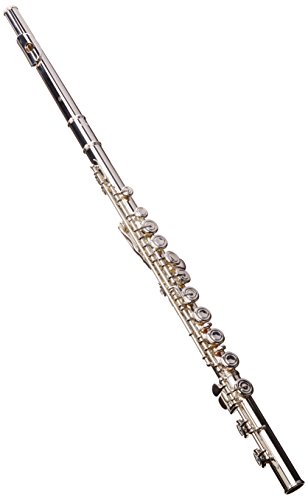 Yamaha YFL-222 Student Flute The student flute most band programs are built around. Pad seating and key alignment are the two things that decide whether a beginner flute plays, and this is where Yamaha earns the premium. | The flute a band director expects | 9.3/10 | $699.00View on Amazon #ad · price as of October 27, 2026 · how this is funded |
| 2 |  Gemeinhardt 2SP Student Flute The other name band rooms accept, and often cheaper than the Yamaha. A straight headjoint and silver-plated body: conventional, serviceable and easy to get repaired anywhere in the US. | A band-accepted flute at a lower price | 9.0/10 | |
| 3 |  Rubank Intermediate Method - Flute or Piccolo The book a flute student moves to after a first band method, not the one they start with. Studies, scales and etudes rather than simplified tunes. | Second-year and beyond, in private lessons | 8.6/10 | $8.99View on Amazon #ad · price as of October 27, 2026 · how this is funded |
Scores are our own editorial fit rating from published specifications — the rubric is on our methodology page. They are not test results; we have not played these instruments.
Service the flute before upgrading it
We earn a commission on an instrument purchase, so the useful thing to say first is that a large proportion of “my flute is holding me back” complaints are pad and alignment problems on an instrument that has never been serviced.
A professional service reseats pads, corrects key alignment and checks the headjoint cork position. On a student flute it costs a small fraction of a step-up instrument, and it frequently resolves the exact symptoms — notes that will not speak, a stuffy low register, uneven response — that prompt the upgrade question.
Do that first. If the flute still feels limiting afterwards, the limit is real.
What a step-up flute actually changes
| Feature | What it does | Matters when |
|---|---|---|
| Solid silver headjoint | The headjoint is where the tone is generated; solid silver responds differently and gives more color | This is the single biggest change and the one to prioritize |
| Open holes (French model) | Holes in the key centers, sealed by the fingers | Enables pitch bending and some extended techniques; needed for advanced repertoire |
| B foot joint | Extends the range down one semitone to low B | A handful of orchestral pieces. Adds weight and cost |
| Solid silver body | Changes response and projection further | Genuinely audible, and the most expensive step |
| Pointed key arms | Cosmetic and structural detailing | Almost entirely cosmetic at this level |
A common and sensible intermediate step is a student-bodied flute with a solid silver headjoint. It captures most of the tonal benefit for far less than a full solid silver instrument.
The open-hole question
Open holes are the most visible step-up feature and the most misunderstood. They do not make the flute sound better on their own. What they do is allow techniques — pitch bending, glissandi, certain modern fingerings — that advanced repertoire calls for.
They also demand precise finger placement, because a finger slightly off the hole means the note does not sound. Every open-hole flute ships with plugs so a student can fill the holes and remove them one at a time as their hand position becomes reliable.
Do not buy open holes because they look professional. Buy them when a teacher asks for them or when the repertoire genuinely requires them.
The genuine signals to upgrade
The teacher says so. They hear the student weekly and know what the instrument should be capable of.
The student can hear the difference themselves on someone else’s flute. That is a meaningful development: it means their ear has developed past their instrument.
The repertoire requires it. A piece calling for low B, or for open-hole technique, is a concrete requirement rather than a preference.
What is not a signal: the instrument looking cheap, a peer having a better one, or a persistent problem that has never been diagnosed by a technician.
Not there yet? Start here instead
A student in their first two or three years is almost always better served by a service, a good method book and more practice time than by a new instrument. If you have arrived here early, the honest recommendation is a well-regarded student flute kept in good adjustment, and the right book.
It is also worth knowing which makers hold their value before you buy a step-up, because the student flute you are replacing is only resalable if someone recognizes the badge — our comparison of student flute brands covers the used-market side of each one.
Try before you buy
Headjoints in particular are individual. Two flutes of the same model can respond noticeably differently, and the right one is the one that suits this student’s air. Many flute specialists run trial programs, and a week with two instruments at home tells you more than any specification comparison — including this one.
The other decision that arrives at this point is open holes, and it is the one most likely to be made for the wrong reason. Open hole versus closed hole covers what key plugs do, why an open-hole flute bought with the plugs in is a sensible step-up purchase, and why we will not repeat the tone claims some sellers make about it.
The picks, in full
Every card below is written from the published specification and the manufacturer’s own documentation. We have not played these instruments — see how we work for exactly what that means and what we do instead.
Our top pick · The flute a band director expects
Yamaha YFL-222 Student Flute
The student flute most band programs are built around. Pad seating and key alignment are the two things that decide whether a beginner flute plays, and this is where Yamaha earns the premium.
What works
- Consistent pad seating from new, so notes speak without over-blowing
- Offset G is standard, which suits smaller hands
- Every school repair tech knows the instrument
What to know
- Significantly more expensive than the import competition
- Closed-hole only — an advancing student will want open holes eventually
- Key
- C
- Holes
- Closed (plateau)
- G key
- Offset
- Foot
- C foot
#ad · price as of October 27, 2026 · how this is funded
Specs read from the manufacturer or retailer listing on 2026-09-07. Our fit score: 9.3/10.
Pick 2 · A band-accepted flute at a lower price
Gemeinhardt 2SP Student Flute
The other name band rooms accept, and often cheaper than the Yamaha. A straight headjoint and silver-plated body: conventional, serviceable and easy to get repaired anywhere in the US.
What works
- Long-established US brand with a wide service network
- Silver-plated head, body and foot
- Frequently the cheapest flute a school program will still accept
What to know
- Straight headjoint only — a young child may need a curved head to reach
- Case is basic
- Key
- C
- Headjoint
- Straight
- Plating
- Silver-plated
- Holes
- Closed (plateau)
Specs read from the manufacturer or retailer listing on 2026-09-07. Our fit score: 9.0/10.
Pick 3 · Second-year and beyond, in private lessons
Rubank Intermediate Method - Flute or Piccolo
The book a flute student moves to after a first band method, not the one they start with. Studies, scales and etudes rather than simplified tunes.
What works
- Real etudes and scale studies that develop tone and technique
- Standard repertoire for private flute teaching in the US
What to know
- Intermediate, not elementary — a first-year student will struggle
- No audio or online support
- Level
- Intermediate
- Setting
- Private lesson
#ad · price as of October 27, 2026 · how this is funded
Specs read from the manufacturer or retailer listing on 2026-09-07. Our fit score: 8.6/10.
Questions people actually ask
When should a flute student upgrade their instrument?
When a teacher says the flute is limiting them, when the student can hear the difference on someone else's instrument, or when the repertoire genuinely requires a feature the flute lacks. Before that, a professional service fixes most complaints for a fraction of the cost.
What is a step-up flute?
An intermediate instrument, typically with a solid silver headjoint, often open holes and sometimes a B foot joint. The headjoint is the change that matters most, since that is where the tone is generated.
Do I need an open hole flute?
Only when a teacher asks for one or the repertoire requires it. Open holes enable pitch bending and certain modern techniques but do not improve the tone on their own, and they demand precise finger placement or the note simply does not sound.
Is a solid silver flute worth it?
The tonal difference is real, and it is a step-up consideration rather than a beginner one. A sensible intermediate route is a student-bodied flute with a solid silver headjoint, which captures most of the benefit for far less money.
Sources
We have not played these instruments, so citation is our evidence. Everything above traces back to one of these, on the date shown.