Recorder or flute?
Schools teach recorder first for good reasons, and the head start it gives a future flautist is smaller and more specific than most people assume.
By Stephen V. · Writes Reed & Rosin · last verified
The short answer
Recorder is a genuine head start on reading, breath control and finger coordination, and it gives no help at all with the flute's hardest skill: forming an embouchure to shape an airstream across an open hole. Recorder makes sound automatically; flute does not.
Some links on this page earn us a commission at no extra cost to you. It does not change which instrument we recommend, and it does not change the order. We also earn nothing when the honest answer is “rent it” — and we still say so. Full disclosure.
Quick picks
| # | Product | Best for | Score | Price |
|---|---|---|---|---|
| 1 | 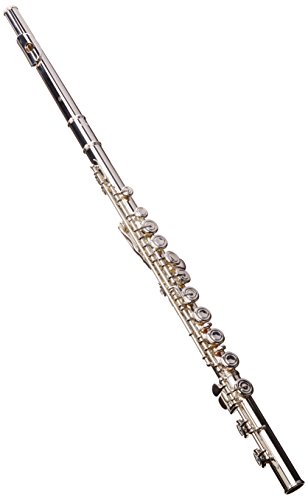 Yamaha YFL-222 Student Flute The student flute most band programs are built around. Pad seating and key alignment are the two things that decide whether a beginner flute plays, and this is where Yamaha earns the premium. | The flute a band director expects | 9.3/10 | $699.00View on Amazon #ad · price as of October 27, 2026 · how this is funded |
| 2 |  Gemeinhardt 2SP Student Flute The other name band rooms accept, and often cheaper than the Yamaha. A straight headjoint and silver-plated body: conventional, serviceable and easy to get repaired anywhere in the US. | A band-accepted flute at a lower price | 9.0/10 | |
| 3 |  Essential Elements for Band Book 1 - Flute The flute part of the standard band method. Same rule as every band book: confirm with the director which method the program uses before ordering. | First-year band flute | 9.2/10 |
Scores are our own editorial fit rating from published specifications — the rubric is on our methodology page. They are not test results; we have not played these instruments.
Why schools start with recorder
Not because it is the best instrument for a child, but because it is the best instrument for a classroom of thirty children. It is inexpensive enough to buy in bulk, it makes a sound immediately so nobody is left out, it is small and durable, and it teaches note reading, rhythm and finger coordination to everyone at once.
That is a genuinely good set of reasons and it says nothing about whether recorder prepares a child for the flute specifically.
What transfers, and what does not
| Skill | Transfers? | Detail |
|---|---|---|
| Reading music | Fully | Same treble clef, same notation. A recorder player reads from day one on flute |
| Rhythm and counting | Fully | Instrument-independent |
| Breath control and phrasing | Substantially | Both instruments need managed air over a phrase, though the flute needs far more of it |
| Finger coordination | Partially | Both use similar finger patterns for the diatonic notes, but flute keywork is mechanical and recorder is direct hole covering |
| Fingerings | Loosely | Recognisably similar in the lower register and diverging quickly above it |
| Tone production | Not at all | This is the whole difficulty of the flute and recorder does nothing for it |
The embouchure gap
A recorder has a fipple: a built-in channel that directs the player’s air across a sharp edge automatically. Blow into it and a note comes out, correctly, on the first attempt. That is what makes it a good classroom instrument.
A flute has no fipple. The player shapes their own airstream with their lips and directs it across the edge of the embouchure hole at the right angle and speed. Until they find it, nothing happens at all — not a bad note, no note.
This is the flute’s entire first hill, it takes days to weeks, and recorder experience does not shorten it by a single session. Knowing that in advance stops a recorder-playing child from concluding they have lost an ability they never had.
What recorder genuinely gives a future flautist
A student arriving at the flute from recorder can already read music, count rhythms, and hold a phrase on one breath. That is not nothing — it means once the embouchure arrives, they progress much faster than a complete beginner, because everything except tone production is already in place.
The head start is real. It is just entirely on the other side of the embouchure wall.
Is recorder worth continuing?
It is a real instrument with a substantial serious repertoire, particularly from the Baroque period, and there is a whole world of consort playing and early music beyond the plastic soprano recorder most people encounter.
If a child enjoys it, that is a sufficient reason to keep going. The “recorder is just a school thing” framing does the instrument a disservice, and a wooden alto recorder is a very different object from a classroom soprano.
When to switch
The physical gates for flute are arm length and lung capacity, which typically arrive around nine or ten. Most school band programs start flute at exactly that point, which is not a coincidence.
If a child is enjoying recorder and is not yet big enough for a flute, continuing is the right answer — and a curved-headjoint flute is the option worth knowing about if they are keen and their arms are not quite there.
The picks, in full
Every card below is written from the published specification and the manufacturer’s own documentation. We have not played these instruments — see how we work for exactly what that means and what we do instead.
Our top pick · The flute a band director expects
Yamaha YFL-222 Student Flute
The student flute most band programs are built around. Pad seating and key alignment are the two things that decide whether a beginner flute plays, and this is where Yamaha earns the premium.
What works
- Consistent pad seating from new, so notes speak without over-blowing
- Offset G is standard, which suits smaller hands
- Every school repair tech knows the instrument
What to know
- Significantly more expensive than the import competition
- Closed-hole only — an advancing student will want open holes eventually
- Key
- C
- Holes
- Closed (plateau)
- G key
- Offset
- Foot
- C foot
#ad · price as of October 27, 2026 · how this is funded
Specs read from the manufacturer or retailer listing on 2026-09-07. Our fit score: 9.3/10.
Pick 2 · A band-accepted flute at a lower price
Gemeinhardt 2SP Student Flute
The other name band rooms accept, and often cheaper than the Yamaha. A straight headjoint and silver-plated body: conventional, serviceable and easy to get repaired anywhere in the US.
What works
- Long-established US brand with a wide service network
- Silver-plated head, body and foot
- Frequently the cheapest flute a school program will still accept
What to know
- Straight headjoint only — a young child may need a curved head to reach
- Case is basic
- Key
- C
- Headjoint
- Straight
- Plating
- Silver-plated
- Holes
- Closed (plateau)
Specs read from the manufacturer or retailer listing on 2026-09-07. Our fit score: 9.0/10.
Pick 3 · First-year band flute
Essential Elements for Band Book 1 - Flute
The flute part of the standard band method. Same rule as every band book: confirm with the director which method the program uses before ordering.
What works
- Aligned with the rest of the band, page for page
- Online audio makes home practice less isolating
What to know
- Classroom pacing is slow for a private student
- Not every program uses Essential Elements
- Level
- Book 1
- Instrument
- Flute
- Online resources
- EEi access included
Specs read from the manufacturer or retailer listing on 2026-09-07. Our fit score: 9.2/10.
Questions people actually ask
Is recorder good preparation for flute?
For reading, rhythm and breath control, yes and substantially. For tone production, not at all — a recorder makes its sound automatically through a built-in channel, while a flute requires the player to shape their own airstream, which is the flute's entire first hurdle.
Are recorder and flute fingerings the same?
Similar in the lower register and diverging quickly above it. A recorder covers holes directly with the fingers; a flute uses mechanical keywork with different patterns. The similarity helps a little and is not a transfer of fingering knowledge.
Why do schools teach recorder first?
Because it works for a classroom of thirty: inexpensive in bulk, makes a sound immediately so nobody is excluded, small and durable, and it teaches reading and rhythm to everyone at once. Those are classroom reasons rather than a claim about preparing for flute.
At what age can a child start flute?
Usually nine or ten, when arm length and lung capacity are sufficient, which is why most band programs start flute then. A curved headjoint solves the reach problem for a keen younger student whose arms are not quite there.
Sources
We have not played these instruments, so citation is our evidence. Everything above traces back to one of these, on the date shown.