When to upgrade from a student saxophone
On saxophone, more than on any other band instrument, the cheap upgrade is the one that changes the sound most — and it is not the horn.
By Stephen V. · Writes Reed & Rosin · last verified
The short answer
Change the mouthpiece before the saxophone. A student alto with a Clark W Fobes Debut sounds like a different instrument for a fraction of an upgrade. When a horn is genuinely needed, the Jean Paul AS-400SP is the cheapest honest step; the Jupiter JAS710GN is the band-room name.
Some links on this page earn us a commission at no extra cost to you. It does not change which instrument we recommend, and it does not change the order. We also earn nothing when the honest answer is “rent it” — and we still say so. Full disclosure.
Quick picks
| # | Product | Best for | Score | Price |
|---|---|---|---|---|
| 1 | 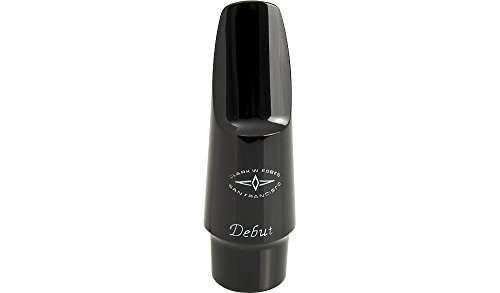 Clark W Fobes Debut Alto Sax Mouthpiece Designed by a professional mouthpiece maker specifically for students, and finished to closer tolerances than the mass-market equivalents. The alternative when a 4C is not clicking. | A step beyond the standard 4C | 8.7/10 | $39.46View on Amazon #ad · price as of October 27, 2026 · how this is funded |
| 2 |  Jean Paul AS-400SP Alto Saxophone, Silver-Plated The silver-plated version of the student horn this site already recommends, which is the cheapest honest step up: the same body with a plating that most players describe as brighter, for well under an intermediate price. | A player who wants a brighter horn without an intermediate budget | 8.7/10 | $944.99View on Amazon #ad · price as of October 27, 2026 · how this is funded |
| 3 |  Jupiter JAS710GN Eb Alto Saxophone A band-room name rather than an online one: Jupiter is one of the brands school repair technicians stock parts for, which is the practical argument for paying more than a budget horn costs. | A student in a program that names approved brands | 8.9/10 | $1,494.00View on Amazon #ad · price as of October 27, 2026 · how this is funded |
| 4 | 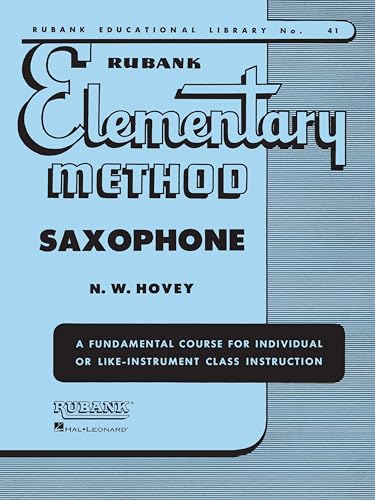 Rubank Elementary Method - Saxophone The private-lesson standard for saxophone, working through tone, scales and articulation more systematically than any classroom band book can. | Private saxophone lessons | 8.7/10 | $8.99View on Amazon #ad · price as of October 27, 2026 · how this is funded |
Scores are our own editorial fit rating from published specifications — the rubric is on our methodology page. They are not test results; we have not played these instruments.
The mouthpiece is the upgrade
Almost every student alto saxophone ships with a mouthpiece that the maker knows is not very good, because the box has to hit a price and a mouthpiece is the cheapest thing in it to compromise. The result is that a large share of students who believe they have outgrown their saxophone have actually outgrown a piece of molded plastic that costs a tiny fraction of the instrument.
This is not a close call. A student-grade mouthpiece with an inconsistent chamber makes the low notes stubborn, the top notes thin and the whole horn resistant, and all three of those are the exact complaints that send families shopping for a new saxophone. Change the mouthpiece, keep the horn, and see what is left. The detail sits on the saxophone mouthpiece guide; the short version is that a Clark W Fobes Debut is the standard recommendation for exactly this moment.
Second on the list, and almost as cheap: reeds that are the right strength and have been rotated rather than played to death. A student on one warped reed sounds like a student on a bad horn. Third: a proper clean and a pad check, because a saxophone with one leaking pad plays as if it were two grades worse than it is.
What an intermediate saxophone changes
Once the mouthpiece, the reeds and the pads are right, the horn itself is the variable. Here is where the honesty has to be sharp, because the saxophone market has more marketing than specification in it. The differences that are published, rather than described, are these.
| Student alto | Silver-plated student | Named intermediate | |
|---|---|---|---|
| Example | Yamaha YAS-26, Jean Paul AS-400 | Jean Paul AS-400SP | Jupiter JAS710GN |
| Finish | Gold lacquer | Silver plating | Gold lacquer |
| Body and keys | Student grade | Same as the student model | Program-accepted grade |
| Service network | Wide | Wide | Stocked by school repair shops |
| Price step | Entry | Modest | Several times entry |
Read that table carefully, because it contains the thing a shop will not tell you: the silver-plated AS-400SP is the same instrument as the lacquered AS-400 with a different plating. Players commonly describe silver as brighter and more immediate, and that is a real reported difference, but it is a finish change, not a new instrument. Buy it because you want that response for modest money, not because you think you are buying a grade up.
The Jupiter is the other kind of purchase: a brand school repair technicians stock parts for, and that programs recognize when they publish an approved list. That matters more than it should in the abstract, because a horn that cannot be repaired locally in a week is a horn the student stops playing.
Alto, or something else
A real fork appears at this point. Students who have played alto for three or four years sometimes do not want a better alto — they want a tenor. If the student is talking about jazz band, the honest move is to read alto against tenor before spending on an alto upgrade, because a tenor is a different instrument with a different mouthpiece, different reeds and a different price, and buying a step-up alto six months before buying a tenor is the most expensive order to do this in.
The other fork is renting. A step-up saxophone is enough money that the rent-to-own arithmetic deserves a second look, especially where a program offers an upgrade path on an existing rental — rent versus buy for saxophone has the real math.
Do not skip the book
A fourth-year student on third-year material will sound like a student whatever they are holding. The Rubank intermediate method is on this page for that reason: where a player has outgrown their material rather than their instrument, it is the cheapest upgrade on the site, and books pay us a different rate than instruments do, which we disclose rather than hide. Ask the director which book the program uses before buying any method book — matching the program beats choosing well.
What a new saxophone will not fix
Three problems look like instrument problems and are not, and all three survive an upgrade intact. The first is air support: a thin, breathy tone with notes that die at the end of a phrase is a breathing problem, and a better horn makes it marginally easier to hide rather than better. The second is the low register. Notes below the staff that will not speak are usually embouchure pressure or a leak, and on a horn that has just been serviced they are the player — which is good news, because it is the one of the three that practice fixes quickly. The third is intonation. A saxophone is tuned by the player, continuously, and a student who has not learned to hear it will be out of tune on any instrument.
There is also a timing rule worth stating plainly: do not change instruments in the four weeks before an audition, a chair test or a concert. Every upgrade involves a settling period where the player is adjusting to new resistance and a new response, and that period is exactly the wrong thing to schedule against a deadline. The cheap upgrades — a mouthpiece, reeds, a pad check, the right book — can go in at any time. The horn should go in at the start of a holiday or a term, with weeks of ordinary practice in front of it.
The order that saves the most money
Mouthpiece, reeds, a pad check and the right method book — together a small fraction of an upgrade. Then, if a director still says the horn is the limit, buy the horn.
The picks, in full
Every card below is written from the published specification and the manufacturer’s own documentation. We have not played these instruments — see how we work for exactly what that means and what we do instead.
Our top pick · A step beyond the standard 4C
Clark W Fobes Debut Alto Sax Mouthpiece
Designed by a professional mouthpiece maker specifically for students, and finished to closer tolerances than the mass-market equivalents. The alternative when a 4C is not clicking.
What works
- Hand-checked facings rather than purely molded output
- Designed around student embouchures rather than scaled down from a pro piece
What to know
- Costs more than a 4C for a difference most first-year players will not hear
- Less familiar to directors, so it prompts questions
- For
- Eb alto saxophone
- Design intent
- Student-specific facing
#ad · price as of October 27, 2026 · how this is funded
Specs read from the manufacturer or retailer listing on 2026-09-07. Our fit score: 8.7/10.
Pick 2 · A player who wants a brighter horn without an intermediate budget
Jean Paul AS-400SP Alto Saxophone, Silver-Plated
The silver-plated version of the student horn this site already recommends, which is the cheapest honest step up: the same body with a plating that most players describe as brighter, for well under an intermediate price.
What works
- Silver plating rather than lacquer, the change most often reported as a brighter response
- Costs a fraction of a named intermediate alto
- Shares its parts and service path with the widely sold AS-400
What to know
- Body and key work are the same grade as the student model — this is a finish change, not a new instrument
- Silver plating needs wiping down after playing or it tarnishes
- Key
- Eb alto
- Finish
- Silver-plated
- Grade
- Student
- Model
- AS-400SP
#ad · price as of October 27, 2026 · how this is funded
Specs read from the manufacturer or retailer listing on 2026-10-17. Our fit score: 8.7/10.
Pick 3 · A student in a program that names approved brands
Jupiter JAS710GN Eb Alto Saxophone
A band-room name rather than an online one: Jupiter is one of the brands school repair technicians stock parts for, which is the practical argument for paying more than a budget horn costs.
What works
- A brand school programs and repair shops recognize and service
- Full-size Eb alto built to the same brief as the horns rental programs issue
- Holds value better than an unbranded horn when it is sold on
What to know
- Priced like an intermediate instrument while the listing describes it as a student model
- Stock on this listing is thin, and the price has a wide online spread
- Key
- Eb alto
- Finish
- Gold lacquer
- Grade
- Student (per listing)
- Model
- JAS710GN
#ad · price as of October 27, 2026 · how this is funded
Specs read from the manufacturer or retailer listing on 2026-10-17. Our fit score: 8.9/10.
Pick 4 · Private saxophone lessons
Rubank Elementary Method - Saxophone
The private-lesson standard for saxophone, working through tone, scales and articulation more systematically than any classroom band book can.
What works
- Systematic scale and articulation work
- Long-established, so any teacher can pick it up mid-book
What to know
- Plain presentation with no audio support
- Supplements a band book rather than replacing it
- Level
- Elementary
- Setting
- Private lesson
#ad · price as of October 27, 2026 · how this is funded
Specs read from the manufacturer or retailer listing on 2026-09-07. Our fit score: 8.7/10.
Questions people actually ask
What is the first saxophone upgrade to buy?
The mouthpiece. Student altos ship with a compromised mouthpiece, and replacing it with something like a Clark W Fobes Debut changes the low notes, the top notes and the resistance of the whole horn for a tiny fraction of a new saxophone.
Is a silver-plated saxophone better than a lacquered one?
It is a finish change, not a grade change. Players commonly report silver plating as brighter and more immediate, but the body and key work on a silver-plated student horn are the same as the lacquered version of that model.
When should a student move from alto to tenor saxophone?
Usually when jazz band enters the picture, and it is a decision to make before buying a step-up alto rather than after. A tenor needs its own mouthpiece and reeds, so the order of purchases matters a lot financially.
Does an intermediate saxophone need a different reed strength?
Not because of the horn, but a new mouthpiece often does. Changing mouthpiece and reed strength at the same time makes it impossible to tell which change did what — alter one at a time.
Sources
We have not played these instruments, so citation is our evidence. Everything above traces back to one of these, on the date shown.